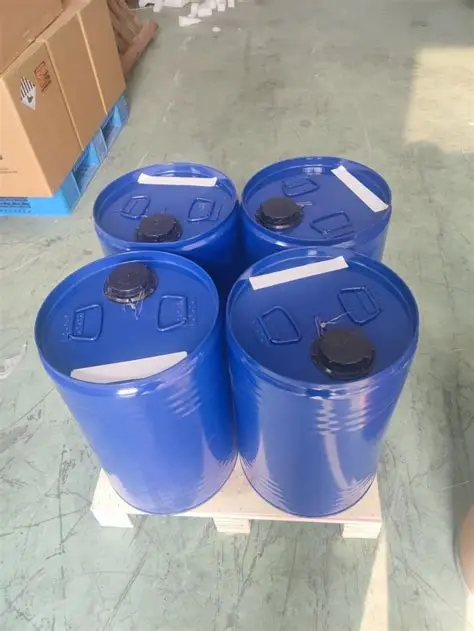
Order Ethyl acetate (CAS 141‑78‑6)
Buy Ethyl acetate (CAS 141‑78‑6)
Buy Ethyl acetate (CAS 141‑78‑6)
Ethyl acetate
What is Ethyl acetate CAS 141-78-6?
Ethyl acetate CAS 141-78-6 (systematically known as ethyl ethanoate) is a clear, colorless organic ester compound formed by the esterification of acetic acid and ethanol. It is widely recognized for its characteristic sweet, fruity odor reminiscent of pear drops or pineapple. Due to its agreeable aroma, low cost, and low toxicity, Ethyl acetate is manufactured on a massive scale globally. It serves as a highly versatile, bio-friendly polar aprotic solvent and extraction agent across the chemical, pharmaceutical, food, and cosmetics industries.
Specifications
| Property | Value |
| Appearance | Clear, colorless, mobile liquid |
| Melting Point | -84 °C |
| Boiling Point | 76.5-77.5 °C |
| Density | 0.902 g/mL at 25 °C |
| Storage Conditions | Store at +2 °C to +25 °C in an airtight container; protect from light and moisture |
Features
- Superior Solvency: It is highly miscible with all common organic solvents (alcohols, ketones, glycols, esters), providing excellent dissolving capacity for resins, coatings, and extractions.
- Fruity Aroma Profile: Possesses a pleasant, ethereal, and sweet fruity scent, making it an ideal aroma enhancer and volatile fragrance component.
- Favorable Safety & Environmental Profile: Regarded as a relatively non-toxic, bio-friendly organic solvent and a safer alternative to many harsh hydrocarbon solvents.
- High Volatility: Evaporates rapidly without leaving residues, a critical feature for fast-drying applications like printing inks, perfumes, and nail polish removers.
Applications
- Industrial Coatings & Printing: Extensively used as a diluent and solvent for varnishes, lacquers, nitrocellulose, and paints. It is also used in flexographic and rotogravure printing to dissolve resins and control drying rates.
- Food & Beverage Industry: Functions as a highly effective extraction solvent for decaffeinating tea and coffee. It is also used as an artificial flavor enhancer in confectionery, baked goods, and ice cream.
- Pharmaceuticals & Cosmetics: Employed as a solvent in topical solutions and gels, an extraction agent in medicine manufacturing, and a primary ingredient in nail polish and nail polish removers.
- Laboratory & Analytical Use: Commonly utilized in column chromatography, standard organic synthesis reactions, and as an effective, non-hygroscopic asphyxiant (killing agent) in entomological research.
Packaging
Mikem offers flexible packaging options, including 25 kg of fiber drums for liquid products and 15–25 kg PP/PE bags for powder products, all customizable to meet your specific needs.
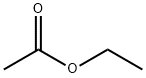
Ethyl acetate structureCAS No.141-78-6Chemical Name:Ethyl acetateSynonymsEtOAc;ETOH;ALCOHOL;yisuanyizhi;ACETIC ACID ETHYL ESTER;ETHYL ETHANOATE;AcOEt;ETHANOL ABSOLUTE;METHYLATED SPIRIT;EthylacetatCBNumber:CB7255315Molecular Formula:
C4H8O2
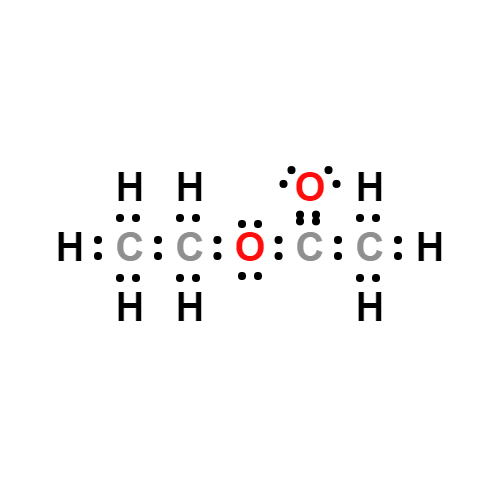
Lewis structure
Molecular Weight:88.11MDL Number:MFCD00009171MOL File:141-78-6.molMSDS File:SDSTDS File:TDS
Last updated:2026-08-25 20:17:46
| Product description | Number | Pack Size | Price |
| Ethyl acetate natural, ≥99%, FCC, FG | W241415 | 1 each | $62.3 |
| Ethyl acetate natural, ≥99%, FCC, FG | W241415 | 1kg | $101 |
| Ethyl acetate natural, ≥99%, FCC, FG | W241415 | 5kg | $274 |
| Ethyl acetate natural, ≥99%, FCC, FG | W241415 | 10Kg | $308 |
| Ethyl acetate ≥99%, FCC, FG | W241407 | 1 each | $58 |
| More product size | |||
PropertiesSafetyPrice318UsesSynthesisSuppliers 718SpectrumSearch Products:
Ethyl acetate Properties
| Melting point | −84 °C(lit.) |
|---|---|
| Boiling point | 76.5-77.5 °C(lit.) |
| Density | 0.902 g/mL at 25 °C(lit.) |
| vapor density | 3 (20 °C, vs air) |
| vapor pressure | 73 mm Hg ( 20 °C) |
| refractive index | n20/D 1.3720(lit.) |
| FEMA | 2414 | ETHYL ACETATE |
| FLAVIS Number | 09.001 | Ethyl acetate |
| Flash point | 26 °F |
| storage temp. | Store at +2°C to +25°C. |
| solubility | Miscible with ethanol, acetone, diethyl ether and benzene. |
| pka | 16-18(at 25℃) |
| form | Liquid |
| color | APHA: ≤10 |
| Specific Gravity | 0.902 (20/20℃) |
| Odor | Pleasant fruity odor detectable at 7 to 50 ppm (mean = 18 ppm) |
| Relative polarity | 0.228 |
| explosive limit | 2.2-11.5%, 38°F |
| Odor Threshold | 0.87ppm |
| Odor Type | ethereal |
| biological source | synthetic |
| Water Solubility | 80 g/L (20 ºC) |
| Specific Heat Capacity | Cp(liquid): 1.94 J/(g·K), at 25℃ |
| Thermal Conductivity | 0.143 W/(m·K) at 25 ℃ |
| λmax | λ: 256 nm Amax: ≤1.00 λ: 275 nm Amax: ≤0.05 λ: 300 nm Amax: ≤0.03 λ: 325-400 nm Amax: ≤0.005 |
| JECFA Number | 27 |
| Merck | 14,3757 |
| BRN | 506104 |
| Henry’s Law Constant | 0.39 at 5.00 °C, 0.58 at 10.00 °C, 0.85 at 15.00 °C, 1.17 at 20.00 °C, 1.58 at 25.00 °C (column stripping-UV, Kutsuna et al., 2005) |
| Exposure limits | ACGIH:TLV-TWA 100 ppm TLV-STEL,200 ppm OSHA:PEL-TWA 400 ppm (1400 mg/m3) NIOSH:REL-TWA 400 ppm |
| Dielectric constant | 23.0(Ambient) |
| Stability | Stable. Incompatible with various plastics, strong oxidizing agents. Highly flammable. Vapour/air mixtures explosive. May be moisture sensitive. |
| Cosmetics Ingredients Functions | SOLVENT PERFUMING |
| Cosmetic Ingredient Review (CIR) | Ethyl acetate (141-78-6) |
| InChI | 1S/C4H8O2/c1-3-6-4(2)5/h3H2,1-2H3 |
| InChIKey | XEKOWRVHYACXOJ-UHFFFAOYSA-N |
| SMILES | CCOC(C)=O |
| LogP | 0.68-0.73 at 20-25℃ |
| Surface tension | 23.93mN/m at 293.15K |
| CAS DataBase Reference | 141-78-6(CAS DataBase Reference) |
| Substances Added to Food (formerly EAFUS) | ETHYL ACETATE |
| FDA 21 CFR | 173.228; 175.320; 177.1200 |
| EWG’s Food Scores | 1 |
| NCI Dictionary of Cancer Terms | alcohol |
| FDA UNII | 76845O8NMZ |
| NCI Drug Dictionary | alcohol |
| NIST Chemistry Reference | Ethyl acetate(141-78-6) |
| EPA Substance Registry System | Ethyl acetate (141-78-6) |
| Cosmetics Info | Ethyl Acetate |
| UNSPSC Code | 85151701 |
| NACRES | NB.11 |
SAFETY
Risk and Safety Statements
| Symbol(GHS) |   GHS02,GHS07 |
|---|---|
| Signal word | Danger |
| Hazard statements | H319-H370-H336-H225 |
| Precautionary statements | P501-P270-P240-P260-P210-P233-P243-P241-P242-P271-P264-P280-P370+P378-P337+P313-P305+P351+P338-P308+P311-P303+P361+P353-P304+P340+P312-P403+P233-P403+P235-P405 |
| target organs | Central nervous system |
| Hazard Codes | F,Xi,Xn,T |
| Risk Statements | 11-36-66-67-20/21/22-10-39/23/24/25-23/24/25-68/20/21/22 |
| Safety Statements | 16-26-33-36/37-45-7-25 |
| RIDADR | UN 1173 |
| OEB | A |
| OEL | TWA: 400 ppm (1400 mg/m3) |
| WGK Germany | 1 |
| RTECS | AH5425000 |
| F | 1 |
| Autoignition Temperature | 427 °C |
| TSCA | TSCA listed |
| HS Code | 2915 31 00 |
| HazardClass | 3 |
| PackingGroup | II |
| Storage Class | 3 – Flammable liquids |
| Hazard Classifications | Eye Irrit. 2 Flam. Liq. 2 STOT SE 3 |
| Hazardous Substances Data | 141-78-6(Hazardous Substances Data) |
| Toxicity | LD50 orally in rats: 11.3 ml/kg (Smyth) |
| IDLA | 2,000 ppm [10% LEL] |
| REACH Registrations | Active |
| Limited Quantities | 1.0 L (0.3 gallon) (liquid) |
| Excepted Quantities | Max Inner Pack (30g or 30ml) and Max Outer Pack (500g or 500ml) |
| NFPA 704 | 3 1 0 |
Ethyl acetate price More Price(318)
| Manufacturer | Product number | Product description | CAS number | Packaging | Price | Updated | Buy |
|---|---|---|---|---|---|---|---|
| Sigma-Aldrich | W241415 | Ethyl acetate natural, ≥99%, FCC, FG | 141-78-6 | 1 each | $62.3 | 2026-04-30 | Buy |
| Sigma-Aldrich | W241415 | Ethyl acetate natural, ≥99%, FCC, FG | 141-78-6 | 1kg | $101 | 2026-04-30 | Buy |
| Sigma-Aldrich | W241415 | Ethyl acetate natural, ≥99%, FCC, FG | 141-78-6 | 5kg | $274 | 2026-04-30 | Buy |
| Sigma-Aldrich | W241415 | Ethyl acetate natural, ≥99%, FCC, FG | 141-78-6 | 10Kg | $308 | 2026-04-30 | Buy |
| Sigma-Aldrich | W241407 | Ethyl acetate ≥99%, FCC, FG | 141-78-6 | 1 each | $58 | 2026-04-30 | Buy |
Ethyl acetate Chemical Properties, Uses, Production
organic ester compound
Ethyl Acetate is an organic ester compound with a molecular formula of C4H8O2 (commonly abbreviated as EtOAc or EA), appears as a colorless liquid. It is highly miscible with all common organic solvents (alcohols, ketones, glycols, esters), which make it a common solvent for cleaning, paint removal and coatings.
Ethyl acetate is found in alcoholic beverages, cereal crops, radishes, fruit juices, beer, wine, spirits etc. It has a fruity characteristic odor that is commonly recognized in glues, nail polish remover, decaffeinating tea and coffee, and cigarettes. Due to its agreeable aroma and low cost, this chemical is commonly used and manufactured in large scale in the world, as over 1 million tons annually.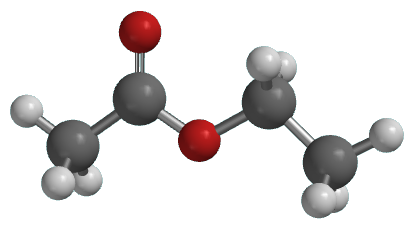
ethyl acetate structure
Chemical Properties
Ethyl acetate (structure shown above) is the most familiar ester to many chemistry students and possibly the ester with the widest range of uses. Esters are structurally derived from carboxylic acids by replacing the acidic hydrogen by an alkyl or aryl group. Ethyl acetate itself is a colourless liquid at room temperature with a pleasant “fruity” smell, b.p. 77°C.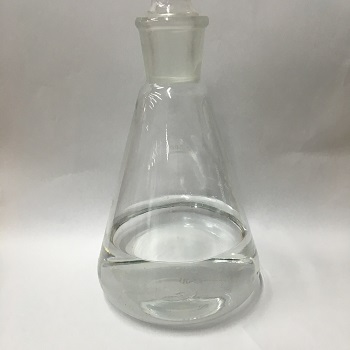
Ethyl acetate has many uses, such as artificial fruit essences and aroma enhancers, artificial flavours for confectionery, ice cream and cakes, as a solvent in many applications (including decaffeinating tea and coffee) for varnishes and paints (nail varnish remover), and for the manufacture of printing inks and perfumes.
Purification and water removal methods
Ethyl acetate generally has a content of 95% to 98% containing a small amount of water, ethanol and acetic acid. It can be further purified as following: add 100mL of acetic anhydride into 1000mL of ethyl acetate; add 10 drops of concentrated sulfuric acid, heat and reflux for 4h to remove impurities such as ethanol and water, and then further subject to distillation. Distillate is oscillated by 20~30g of anhydrous potassium carbonate and further subject to re-distillation. The product has a boiling point of 77 °C and purity being over 99%.
Uses
Industry
Applications
Role/Benefit
Flavor and essence
Food flavor
Used largely to prepare bananas, pears, peaches, pineapple and grape scent food flavors, etc
Alcoholic essence
Used slightly as fragrance volatile
Perfume essence
Used slightly as fragrance volatile
Chemical manufacture
Production of acetamide, acetyl acetate, methyl heptanone, etc
Organic chemical raw materials
Production of organic acid
Extracting agent
Laboratory
Dilution and extraction
Supply excellent dissolving capacity
Chromatographic analysis
Standard material
Column chromatography and extractions
Main component of mobile phase
Reaction solvent
Be prone to hydrolysis and transesterification
Chemical analysis
Thermometer calibration for sugar separation
Standard material
Determination of bismuth, boron, gold, molybdenum, platinum and thallium
Solvent
Entomology
Insect collecting and study
Used as effective asphyxiant to kill the collected insect quickly without destroying it
Textile industry
Cleaning agent
Supply excellent dissolving capacity
Printing
Flexographic and rotogravure printing
Dissolve the resin, control the viscosity and modify the drying rate
Electronics industry
Viscosity reducer
Reduce the viscosity of resins used in photoresist formulations
Paint manufacture
Solvent
Dissolve and dilute the paints
Health & personal care products
The formulation of nail polish, nail polish removers and other manicuring products
Supply excellent dissolving capacity
Pharmaceutical
Medicine manufacturing
Extraction agent; intermediate
Cosmetics
Aroma enhancer
In perfume to enhance aroma
Others
Tanning extracts
Used for desulfurization of tanning, cigarette materials, oil field drilling, metal flotation, descaling, etc
Production of adhesive
Solvent
Extract many compounds (phosphorus, cobalt, tungsten, arsenic) from aqueous solution
Extracting agent
Production
Industrial production of ethyl acetate is mainly classified into three processes.
The first one is a classical Fischer esterification process of ethanol with acetic acid in presence of acid catalyst. This process needs acid catalyst2 such as sulphuric acid, hydrochloride acid, ptoluene sulfonic acid etc. This mixture converts to the ester in about 65% yield at room temperature.
CH3CH2OH + CH3COOH ↔ CH3COOC2H5 + H2O
The reaction can be accelerated by acid catalysis and the equilibrium can be shifted to the right by removal of water.
The second one is Tishchenko Reaction of acetaldehyde using aluminium triethoxide as a catalyst. In Germany and Japan, most ethyl acetate is produced via the Tishchenko process.
2 CH3CHO → CH3COOC2H5
This method has been proposed by two different routes; (i) dehydrogenative process, which uses copper or palladium based catalyst and (ii) the oxidative one, which employs, PdO supported catalysts.
The third one, which has been recently commercialized, is addition of acetic acid to ethylene using clay and heteroploy acid7 as a catalyst.
CH2= CH2 + CH3COOH → CH3COOC2H5
The processes, however, have some disadvantages; both the conventional esterification and addition of acetic acid to ethylene need stock tanks and apparatus for several feed stocks. Moreover, they use acetic acid that causes apparatus corrosion. Although Teshchenko Reaction uses only one feed and it is a non-corrosive material, it is difficult to handle acetaldehyde because is not available outside of petrochemical industrial area.
In such circumstances, an improved process of ethyl acetate production is strongly desired.
Extinguishing agent
dry powder, dry sand, carbon dioxide, foam, and 1211 fire extinguishing agent
Professional standards
TWA 1400 mg/m³; STEL 2000 mg/m³
Description
Ethyl acetate (systematically, ethyl ethanoate, commonly abbreviated EtOAc or EA) is the organic compound with the formula CH3COOCH2CH3. This colorless liquid has a characteristic sweet smell (similar to pear drops) and is used in glues, nail polish removers, decaffeinating tea and coffee, and cigarettes (see list of additives in cigarettes). Ethyl acetate is the ester of ethanol and acetic acid; it is manufactured on a large scale for use as a solvent. The combined annual production in 1985 of Japan, North America, and Europe was about 400,000 tons. In 2004, an estimated 1.3M tons were produced worldwide.
Chemical Properties
Ethyl acetate has a pleasant ethereal fruity, brandy-like odor, reminiscent of pineapple, somewhat nauseating in high concentration. It has fruity sweet taste when freshly diluted in water. Ethyl acetate is probably one of the most used of all flavor chemicals by volume. Ethyl acetate is slowly decomposed by moisture and then acquires an acid status due to the acetic acid formed.
Physical properties
Clear, colorless, mobile liquid with a pleasant, sweet fruity odor. Experimentally determined detection and recognition odor threshold concentrations were 23 mg/m3 (6.4 ppmv) and 48 mg/m3 (13.3 ppmv), respectively (Hellman and Small, 1974). Cometto-Muiz and Cain (1991) reported an average nasal pungency threshold concentration of 67,300 ppmv.
Occurrence
Although it has been reported present in some natural fruital aromas and in some distillates (rum, rum ether), it has not been reported yet as a constituent of essential oils; it has been identified also in the petals of Magnolia fuscata. Reported found in many foods including fresh and cooked apple, apricot, banana (169 ppm), sweet and sour cherry, citrus peel oils and juices, blueberry, cranberry, black currants, raspberry, blackberry, guava, passion fruit, melon, peaches, papaya, pineapple, cabbage, onion, leek, potato, tomato (3 to 6 ppm), clove, ginger, vinegar, breads, cheeses (0.2 to 0.8 ppm), butter (2 ppm), yogurt, milk, meats, cognac, beer (4 to 64 ppm), whiskies, cider, sherry, grape wines, rum, cocoa, coffee, tea, filberts, peanuts, popcorn, oats, honey, soybeans, coconut, olive oil (0.02 ppm) and olive.
Uses
Ethyl acetate is used as a solvent for varnishes, lacquers, and nitrocellulose; as anartificial fruit flavor; in cleaning textiles;and in the manufacture of artificial silk andleather, perfumes, and photographic filmsand plates (Merck 1996). Ethyl Acetate is generally used as a solvent in organic reactions. Environmental contaminants; Food contaminants.
Uses
Pharmaceutic aid (flavor); artificial fruit essences; solvent for nitrocellulose, varnishes, lacquers, and aeroplane dopes; manufacture of smokeless powder, artificial leather, photographic films and plates, artificial silk, perfumes; cleaning textiles, etc.
Uses
Ethyl acetate is used primarily as a solvent and diluent, being favored because of its low cost, low toxicity, and agreeable odor. For example, it is commonly used to clean circuit boards and in some nail varnish removers (acetone and acetonitrile are also used). Coffee beans and tea leaves are decaffeinated with this solvent.It is also used in paints as an activator or hardener.[citation needed] Ethyl acetate is present in confectionery, perfumes, and fruits. In perfumes, it evaporates quickly, leaving only the scent of the perfume on the skin.
3 – 1 – Laboratory uses
In the laboratory, mixtures containing ethyl acetate are commonly used in column chromatography and extractions. Ethyl acetate is rarely selected as a reaction solvent because it is prone to hydrolysis and trans esterification.
3 – 2 – Occurrence in wines
Ethyl acetate is the most common ester in wine, being the product of the most common volatile organic acid — acetic acid, and the ethyl alcohol generated during the fermentation. The aroma of ethyl acetate is most vivid in younger wines and contributes towards the general perception of “fruitiness” in the wine.
3 – 3 – Entomological killing agent
In the field of entomology, ethyl acetate is an effective asphyxiant for use in insect collecting and study. In a killing jar charged with ethyl acetate, the vapors will kill the collected (usually adult) insect quickly without destroying it. Because it is not hygroscopic, ethyl acetate also keeps the insect soft enough to allow proper mounting suitable for a collection.
Production Methods
Ethyl acetate can be manufactured by the slow distillation of a mixture of ethanol and acetic acid in the presence of concentrated sulfuric acid. It has also been prepared from ethylene using an aluminum alkoxide catalyst.
Definition
ChEBI: Ethyl acetate is the acetate ester formed between acetic acid and ethanol. It has a role as a polar aprotic solvent, an EC 3.4.19.3 (pyroglutamyl-peptidase I) inhibitor, a metabolite and a Saccharomyces cerevisiae metabolite. It is an acetate ester, an ethyl ester and a volatile organic compound.
Production Methods
Ethyl acetate is synthesized in industry mainly via the classic Fischer esterification reaction of ethanol and acetic acid. This mixture converts to the ester in about 65% yield at room temperature:
CH3CH2OH + CH3COOH CH3COOCH2CH3 + H2O
The reaction can be accelerated by acid catalysis and the equilibrium can be shifted to the right by removal of water. It is also prepared in industry using the Tishchenko reaction, by combining two equivalents of acetaldehyde in the presence of an alkoxide catalyst:
2 CH3CHO → CH3COOCH2CH3.
Preparation
Ethyl acetate is made by esterification of acetic acid with ethanol, from acetaldehyde, or by the direct addition of ethylene to acetic acid. BP started a 220,000 tonne/year plant in 2001 to operate the last of these processes, known as AVADA. Ethylene and acetic acid react in the presence of a heteropolyacid catalyst to give ethyl acetate at a claimed high selectivity and 99.97% purity. This is the world’s largest ethyl acetate plant and is motivated by its increasing use as a more “acceptable” solvent than hydrocarbons.
In some countries, where ethanol is expensive or there is surplus acetaldehyde capacity, ethyl acetate is made by a Tishchenko reaction. Sasol in South Africa was said to be investigating such a process in the early 2000s. Ethanol is a solvent for surface coatings, cleaning preparations, and cosmetics. Industrial ethanol is aerobically fermented to white vinegar (dilute acetic acid) of the type used for pickling. Gourmet vinegars—wine vinegar, cider vinegar, and so on, made by fermentation of alcoholic beverages—are also available. Ten percent of industrial ethanol production was used for vinegar in the United States in 2001.
Reactions
Ethyl acetate can be hydrolyzed in acidic or basic conditions to regain acetic acid and ethanol. The use of an acid catalyst accelerates the hydrolysis, which is subject to the Fischer equilibrium mentioned above. In the laboratory, and usually for illustrative purposes only, ethyl esters are typically hydrolyzed in a two step process starting with a stoichiometric amount of strong base, such as sodium hydroxide. This reaction gives ethanol and sodium acetate, which is unreactive toward ethanol:
CH3CO2C2H5 + Na OH → C2H5OH + CH3CO2Na
The rate constant is 0.111 dm3 / mol.sec at 25 °C.
Aroma threshold values
Detection: 5 ppb to 5 ppm
General Description
Ethyl acetate, a carboxylate ester, is bio-friendly organic solvent with wide range of industrial applications. Its synthesis by reactive distillation and by acceptorless dehydrogenative dimerization of ethanol has been explored. Its utility as a less toxic alternative to diethyl ether in the formalin-ether (F-E) sedimentation procedure for intestinal parasites has been investigated. Its ability as an acyl acceptor in the immobilized lipase-mediated preparation of biodiesel from crude vegetable oils has been examined. The complete degradation of ethyl acetate to CO2 using manganese octahedral molecular sieve (OMS-2) has been investigated.
Air & Water Reactions
Highly flammable. Slightly soluble in water. Ethyl acetate is slowly hydrolyzed by moisture.
Reactivity Profile
Ethyl acetate is also sensitive to heat. On prolonged storage, materials containing similar functional groups have formed explosive peroxides. Ethyl acetate may ignite or explode with lithium aluminum hydride. Ethyl acetate may also ignite with potassium tert-butoxide. Ethyl acetate is incompatible with nitrates, strong alkalis and strong acids. Ethyl acetate will attack some forms of plastics, rubber and coatings. Ethyl acetate is incompatible with oxidizers such as hydrogen peroxide, nitric acid, perchloric acid and chromium trioxide. Violent reactions occur with chlorosulfonic acid. . SOCl2 reacts with esters, such as Ethyl acetate, forming toxic SO2 gas and water soluble/toxic acyl chlorides, catalyzed by Fe or Zn (Spagnuolo, C.J. et al. 1992. Chemical and Engineering News 70(22):2.).
Health Hazard
The acute toxicity of ethyl acetate is low. Ethyl acetate vapor causes eye, skin, and respiratory tract irritation at concentrations above 400 ppm. Exposure to high concentrations may lead to headache, nausea, blurred vision, central nervous system depression, dizziness, drowsiness, and fatigue. Ingestion of ethyl acetate may cause gastrointestinal irritation and, with larger amounts, central nervous system depression. Eye contact with the liquid can produce temporary irritation and lacrimation. Skin contact produces irritation. Ethyl acetate is regarded as a substance with good warning properties. No chronic systemic effects have been reported in humans, and ethyl acetate has not been shown to be a human carcinogen, reproductive, or developmental toxin
Flammability and Explosibility
Ethyl acetate is a flammable liquid (NFPA rating = 3), and its vapor can travel a considerable distance to an ignition source and “flash back.” Ethyl acetate vapor forms explosive mixtures with air at concentrations of 2 to 11.5% (by volume). Hazardous gases produced in ethyl acetate fires include carbon monoxide and carbon dioxide. Carbon dioxide or dry chemical extinguishers should be used for ethyl acetate fires.
Chemical Reactivity
Reactivity with Water No reaction; Reactivity with Common Materials: No reaction; Stability During Transport: Stable; Neutralizing Agents for Acids and Caustics: Not pertinent; Polymerization: Not pertinent; Inhibitor of Polymerization: Not pertinent.
Pharmaceutical Applications
In pharmaceutical preparations, ethyl acetate is primarily used as a solvent, although it has also been used as a flavoring agent. As a solvent, it is included in topical solutions and gels, and in edible printing inks used for tablets.
Ethyl acetate has also been shown to increase the solubility of chlortalidone and to modify the polymorphic crystal forms obtained for piroxicam pivalate, mefenamic acid, and fluconazole,and has been used in the formulation of microspheres. Ethyl acetate has been used as a solvent in the preparation of a liposomal amphotericin B dry powder inhaler formulation.(9) Its use as a chemical enhancer for the transdermal iontophoresis of insulin has been investigated.
In food applications, ethyl acetate is mainly used as a flavoring agent. It is also used in artificial fruit essence and as an extraction solvent in food processing.
Safety Profile
Potentially poisonous by ingestion. Toxicity depends upon alcohols in question, generally ethanol with methanol as a denaturant. A flammable liquid and dangerous fire hazard; can react vigorously with oxidzing materials. Moderate explosion hazard. See ETHANOL, METHYL ALCOHOL, and n-PROPYL ALCOHOL.
Safety
Ethyl acetate is used in foods, and oral and topical pharmaceutical formulations. It is generally regarded as a relatively nontoxic and nonirritant material when used as an excipient.
However, ethyl acetate may be irritant to mucous membranes, and high concentrations may cause central nervous system depression. Potential symptoms of overexposure include irritation of the eyes, nose, and throat, narcosis, and dermatitis.
Ethyl acetate has not been shown to be a human carcinogen or a reproductive or developmental toxin.
The WHO has set an estimated acceptable daily intake of ethyl acetate at up to 25 mg/kg body-weight.
In the UK, it has been recommended that ethyl acetate be temporarily permitted for use as a solvent in food and that the maximum concentration consumed in food should be set at 1000 ppm.
LD50 (cat, SC): 3.00 g/kg
LD50 (guinea-pig, oral): 5.50 g/kg
LD50 (guinea-pig, SC): 3.00 g/kg
LD50 (mouse, IP): 0.709 g/kg
LD50 (mouse, oral): 4.10 g/kg
LD50 (rabbit, oral): 4.935 g/kg
LD50 (rat, oral): 5.62 g/kg
Synthesis
By reacting acetic acid and ethanol in the presence of sulfuric acid; by distillation of sodium potassium, or lead acetate with ethanol in the presence of sulfuric acid; by polymerizatin of acetaldehyde in the presence of aluminum ethylate or aluminum acetate as catalysts.
Potential Exposure
This material is used as a solvent for nitrocellulose and lacquer. It is also used in making dyes,flavoring and perfumery, and in smokeless powder manufacture
First aid
If this chemical gets into the eyes, remove anycontact lenses at once and irrigate immediately for at least15 min, occasionally lifting upper and lower lids. Seekmedical attention immediately. If this chemical contacts theskin, remove contaminated clothing and wash immediatelywith soap and water. Seek medical attention immediately.If this chemical has been inhaled, remove from exposure,begin rescue breathing (using universal precautions, including resuscitation mask) if breathing has stopped and CPRif heart action has stopped. Transfer promptly to a medicalfacility. When this chemical has been swallowed, getmedical attention. Give large quantities of water andinduce vomiting. Do not make an unconscious personvomit
Carcinogenicity
Ethyl acetate was not mutagenic in bacterial assays; it was not genotoxic in a number of in vivo assays but did cause chromosomal damage in hamster cells in vitro.
Ethyl acetate has a fruity odor detectable at 10ppm.
The 2003 ACGIH threshold limit valuetime- weighted average (TLV-TWA) for ethyl acetate is 400pm (1440mg/m3).
Source
Identified among 139 volatile compounds identified in cantaloupe (Cucumis melo var. reticulates cv. Sol Real) using an automated rapid headspace solid phase microextraction method (Beaulieu and Grimm, 2001).
Environmental Fate
Biological. Heukelekian and Rand (1955) reported a 5-d BOD value of 1.00 g/g which is 54.9% of the ThOD value of 1.82 g/g.
Photolytic. Reported rate constants for the reaction of ethyl acetate and OH radicals in the atmosphere (296 K) and aqueous solution are 1.51 x 10⁻¹² and 6.60 x 10⁻¹³ cm3/moleculesec, respectively (Wallington et al., 1988b).
Chemical/Physical. Hydrolyzes in water forming ethanol and acetic acid (Kollig, 1993). The estimated hydrolysis half-life at 25 °C and pH 7 is 2.0 yr (Mabey and Mill, 1978).
Metabolism
Ethyl acetate is hydrolysed to ethyl alcohol, which is then partly excreted in the expired air and urine. The rest is metabolized, the acetate fraction becoming incor porated in the body pool (Fassett, 1963).
storage
Ethyl acetate should be stored in an airtight container, protected from light and at a temperature not exceeding 30°C. Ethyl acetate is slowly decomposed by moisture and becomes acidic; the material can absorb up to 3.3% w/w water.
Ethyl acetate decomposes on heating to produce ethanol and acetic acid, and will emit acrid smoke and irritating fumes. It is flammable and its vapor may travel a considerable distance to an ignition source and cause a ‘flashback’.
The alkaline hydrolysis of ethyl acetate has been shown to be inhibited by polyethylene glycol and by mixed micelle systems.
Shipping
UN1173 Ethyl acetate, Hazard Class: 3; Labels: 3-Flammable liquid.
Purification Methods
The most common impurities in EtOAc are water, EtOH and acetic acid. These can be removed by washing with aqueous 5% Na2CO3, then with saturated aqueous CaCl2 or NaCl, and drying with K2CO3, CaSO4 or MgSO4. More efficient drying is achieved if the solvent is further dried with P2O5, CaH2 or molecular sieves before distillation. CaO has also been used. Alternatively, ethanol can be converted to ethyl acetate by refluxing with acetic anhydride (ca 1mL per 10mL of ester), the liquid is then fractionally distilled, dried with K2CO3 and redistilled. [Beilstein 2 III 127.]
Toxicity evaluation
Ethyl acetate is rapidly hydrolyzed to ethanol and acetic acid. When ethyl acetate was injected intraperitoneal at 1.6 g kg-1, hydrolysis to acetic acid and ethanol occurred rapidly. The biological half-life value of the conversion of ethyl acetate to ethanol was found to be between 5 and 10 min. At doses higher than 1.6 g kg-1 in rats the rate of hydrolysis exceeded the ethanol oxidation leading to the ethanol accumulation in the vascular system.
Incompatibilities
Ethyl acetate can react vigorously with strong oxidizers, strong alkalis, strong acids, and nitrates to cause fires or explosions. It also reacts vigorously with chlorosulfonic acid, lithium aluminum hydride, 2-chloromethylfuran, and potassium tert-butoxide.
Toxics Screening Level
The initial threshold screening level (ITSL) for ethyl acetate is 3200 μg/m3, with annual averaging time.
Waste Disposal
Dissolve or mix the material with a combustible solvent and burn in a chemical incinerator equipped with an afterburner and scrubber. All federal, state, and local environmental regulations must be observed. Consult with environmental regulatory agencies for guidance on acceptable disposal practices. Generators of waste containing this contaminant (≧100 kg/ mo) must conform with EPA regulations governing storage, transportation, treatment, and waste disposal.
Regulatory Status
Included in the FDA Inactive Ingredients Database (oral tablets and sustained-action tablets; topical and transdermal preparations). Included in nonparenteral medicines licensed in the UK (tablets, topical solutions, and gels). Ethyl acetate is also accepted for use in food applications in a number of countries including the UK. Included in the Canadian List of Acceptable Non-medicinal Ingredients.
Ethyl acetate synthesis
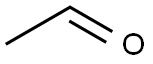
Synthesis of Ethyl acetate from Acetaldehyde
Ethyl acetate Preparation Products And Raw materials
Raw materials
AcetateEthanolCalcium oxideAluminum ethoxidePotassium carbonate
Acetic acidPotassium Acetate1-ButanolSulfuric acid ketene
Preparation Products
self curing adhesive SL-B404D-glucose pentakis[3,4-dihydroxy-5-[(trihydroxy-3,4,5-benzoyl)oxy]benzoate]Aluminum di(isopropoxide)acetoacetic ester chelateadhesive JX-18-1adhesive M-861 for polyolefin plastics
N-Hexadecyltrimethylammonium chlorideEthyl picolinoylacetateEthyl isonicotinoylacetateEnoximoneN-Acetylethylenediamine
Water-proof adhesiveTriphenylsilanolspecial adhesive JA-501 for laminating packaging materialsBoc-O-benzyl-L-tyrosine2-(4-Ethoxyphenyl)-2-methylpropanol
2-Amino-6-bromopyridineTea polyphenol3-Methyl-4-pyridinecarboxylic acidN-Ethyl 3-nitrobenzenesulfonamidespecial adhesive JA-502 for aluminum-plastics laminating tape
wealant XY-22-AcetylthiazoleMethyl 4-bromo-3-nitrobenzoate4-Fluorobenzyl isocyanate4(1H)-Pyrimidinone, 2-methyl- (8CI,9CI)
2-(2-Formyl-phenoxy)-propionic acidadhesive No.1 for shrink packaging3-HydroxypiperidineAmpicillin sodiumBOC-Glycine
Diphenyl N-cyanocarbonimidatedry laminating adhesive ADpolyurethane adhesive for dry laminatingN-Benzyl-6-chloro-N-methylpyridazin-3-amine2-Isocyanato-4,6-dimethoxypyrimidine
Methyl 3-bromo-4-methylbenzoateSodium 1-heptanesulfonatecoating adhesive tiemao 102granular adhesive PUAN-Methoxycarbonylmaleimide
What is Ethyl acetate CAS 141-78-6?
Ethyl acetate CAS 141-78-6 (systematically known as ethyl ethanoate) is a clear, colorless organic ester compound formed by the esterification of acetic acid and ethanol. It is widely recognized for its characteristic sweet, fruity odor reminiscent of pear drops or pineapple. Due to its agreeable aroma, low cost, and low toxicity, Ethyl acetate is manufactured on a massive scale globally. It serves as a highly versatile, bio-friendly polar aprotic solvent and extraction agent across the chemical, pharmaceutical, food, and cosmetics industries.
Specifications
| Property | Value |
| Appearance | Clear, colorless, mobile liquid |
| Melting Point | -84 °C |
| Boiling Point | 76.5-77.5 °C |
| Density | 0.902 g/mL at 25 °C |
| Storage Conditions | Store at +2 °C to +25 °C in an airtight container; protect from light and moisture |
Features
- Superior Solvency: It is highly miscible with all common organic solvents (alcohols, ketones, glycols, esters), providing excellent dissolving capacity for resins, coatings, and extractions.
- Fruity Aroma Profile: Possesses a pleasant, ethereal, and sweet fruity scent, making it an ideal aroma enhancer and volatile fragrance component.
- Favorable Safety & Environmental Profile: Regarded as a relatively non-toxic, bio-friendly organic solvent and a safer alternative to many harsh hydrocarbon solvents.
- High Volatility: Evaporates rapidly without leaving residues, a critical feature for fast-drying applications like printing inks, perfumes, and nail polish removers.
Applications
- Industrial Coatings & Printing: Extensively used as a diluent and solvent for varnishes, lacquers, nitrocellulose, and paints. It is also used in flexographic and rotogravure printing to dissolve resins and control drying rates.
- Food & Beverage Industry: Functions as a highly effective extraction solvent for decaffeinating tea and coffee. It is also used as an artificial flavor enhancer in confectionery, baked goods, and ice cream.
- Pharmaceuticals & Cosmetics: Employed as a solvent in topical solutions and gels, an extraction agent in medicine manufacturing, and a primary ingredient in nail polish and nail polish removers.
- Laboratory & Analytical Use: Commonly utilized in column chromatography, standard organic synthesis reactions, and as an effective, non-hygroscopic asphyxiant (killing agent) in entomological research.
Packaging
Mikem offers flexible packaging options, including 25 kg of fiber drums for liquid products and 15–25 kg PP/PE bags for powder products, all customizable to meet your specific needs.
-
- Ethyl acetate CAS 141-78-6 Sigma Aldrich – MilliporeSigma
- Ethyl Acetate Price – Ethyl Acetate Price DiscountsSponsoredWholesale China Products. Customizable Logo/Size/Color.Site visitors: Over 100K in the past monthMore Convenient · Leading B2B Portal · Quality China Products · SGS Audited SuppliersPuzzle Types, Animal Puzzles, Alphabet Puzzles, Building Puzzles, DIY Puzzles and more
- Ethyl acetate | 141-78-6 – ChemicalBookAug 25, 2026 · Ethyl acetate (CAS 141-78-6) information, including chemical properties, structure, melting point, boiling point, …
- Ethyl Acetate Technical Grade | CAS 141-78-6 – Alliance ChemicalEthyl Acetate, Technical Grade, CAS 141-78-6 — solvent & coatings. Quarts to 55 gal drums available. Order online from Alliance …
- Ethyl acetate 141-78-6 – MilliporeSigmaEthyl acetate can be obtained via an esterification reaction between ethyl alcohol and acetic acid in the presence of sulfuric acid. Its …
- Buy Ethyl Acetate CAS 141-78-6 Manufacturer | Supplier – MikemchemMikem specializes in manufacturing Ethyl acetate CAS 141-78-6, offering multiple chemical product grades with reliable quality, …
- Ethyl Acetate — Package & Bulk Sizes | DIYChemicalsShop ethyl acetate in quart, gallon, multipack and bulk sizes. Compare package quantities, current pricing and product SDS information.
- Ethyl Acetate ACS Grade | CAS 141-78-6 | Alliance ChemicalBuy Ethyl Acetate ACS Grade (CAS 141-78-6) online in sizes from 1 quart to a 55-gallon drum. Ships from Texas in 1–2 business …
- Ethyl Acetate 141-78-6 | TCI AMERICAEthyl Acetate | CH3COOC2H5 or C4H8O2 | CID 8857 – structure, chemical names, physical and chemical properties, classification, …
- Sigma Aldrich Fine Chemicals Biosciences Ethyl Acetate | CAS 141 …Ethyl acetate | Purity: ≥99.8% | Mol Wt: 88.11 | CAS No: 141-78-6 | Unit of Measure: 1L
- [Ethyl Acetate (1.2 mL/ampule; 3 ampules)] – CAS [141-78-6] – USPFind the standards and solutions you need—right when you need them. Effortlessly share your selections with your procurement …
-
- What is ethyl acetate technical grade?
- What is ether acetate (CAS 141-78-6)?
- What is ethyl acetate?
- What is the boiling point of ethyl acetate?
- Related searches for Buy Ethyl acetate (CAS 141‑78‑6)
- ethyl acetate 141 78 6
- 141 78 6 ethyl
- ethyl acetate
- ethyl acetate for sale
- ethyl acetate cas number
- acetic acid ethyl acetate
- ethyl acetate chemical properties
- ethyl acetate vapor density
- Ethyl acetate CAS 141-78-6 Sigma Aldrich – MilliporeSigma
Leave a Reply