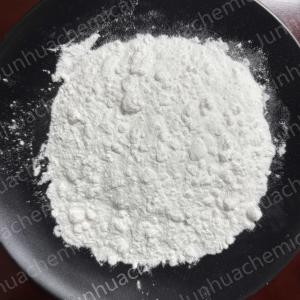
Order Phenacetin (acetophenetidin) Cas 62-44-2
Phenacetin
- Chemical Properties
- Uses
- Indications and Usage
- Mechanisms of Action
- Side Effects
- Carcinogenicity
- Synthesis of Phenacetin
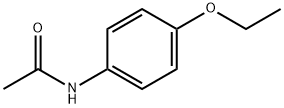
Phenacetin structureCAS No.62-44-2Chemical Name:PhenacetinSynonymsPHENACETINE;Fenacetin;Fenacetina;Phenacitin;Soma;P-ETHOXYACETANILIDE;4-ETHOXYACETANILIDE;Wigraine;Sinutab;NorgesicCBNumber:CB6141828Molecular Formula:C10H13NO2
Lewis structure

Molecular Weight:179.22MDL Number:MFCD00009094MOL File:62-44-2.molMSDS File:SDSTDS File:TDS
Last updated:2026-10-20 14:11:48
| Product description | Number | Pack Size | Price |
| Phenacetin ≥98.0% (HPLC) | 77440 | 1kg | $327 |
| Phenacetin Melting Point Standard United States Pharmacopeia (USP) Reference Standard | 1514008 | 1G | $287 |
| Phenacetin United States Pharmacopeia (USP) Reference Standard | 1513005 | 500mg | $440 |
| Phenacetin >99.0%(GC) | P1669 | 25g | $29 |
| Phenacetin >99.0%(GC) | P1669 | 500g | $125 |
| More product size | |||
PropertiesSafetyPrice39UsesSynthesisSuppliers 591SpectrumSearch Products:
Phenacetin Properties
| Melting point | 133-136 °C (lit.) |
|---|---|
| Boiling point | 132 °C / 4mmHg |
| Density | 1.1248 (rough estimate) |
| refractive index | 1.5710 |
| Flash point | 2℃ |
| storage temp. | Sealed in dry,Room Temperature |
| solubility | Chloroform (Slightly), Methanol (Slightly) |
| form | powder |
| pka | pKa 2.2(H2O) (Uncertain);3.5(aqueous acetone) (Uncertain) |
| color | White |
| Water Solubility | 0.076 g/100 mL |
| Sensitive | Hygroscopic |
| Merck | 14,7204 |
| BRN | 1869238 |
| Henry’s Law Constant | 4.6×10⁴ mol/(m3Pa) at 25℃, Duchowicz et al. (2020) |
| Stability | Stable. Incompatible with strong oxidizing agents, strong acids. |
| Cosmetics Ingredients Functions | LIGHT STABILIZER |
| InChI | 1S/C10H13NO2/c1-3-13-10-6-4-9(5-7-10)11-8(2)12/h4-7H,3H2,1-2H3,(H,11,12) |
| InChIKey | CPJSUEIXXCENMM-UHFFFAOYSA-N |
| SMILES | CCOc1ccc(NC(C)=O)cc1 |
| LogP | 1.580 |
| FDA 21 CFR | 310.545 |
| CAS DataBase Reference | 62-44-2(CAS DataBase Reference) |
| EWG’s Food Scores | 5 |
| FDA UNII | ER0CTH01H9 |
| Proposition 65 List | Analgesic mixtures containing Phenacetin |
| Proposition 65 List | Phenacetin |
| ATC code | N02BE03 |
| NIST Chemistry Reference | Acetamide, N-(4-ethoxyphenyl)-(62-44-2) |
| IARC | 1 (Vol. 24, Sup 7, 100A) 2012 |
| EPA Substance Registry System | Phenacetin (62-44-2) |
| UNSPSC Code | 12352100 |
| NACRES | NA.22 |
SAFETY
Risk and Safety Statements
| Symbol(GHS) |   GHS07,GHS08 |
|---|---|
| Signal word | Danger |
| Hazard statements | H302-H350 |
| Precautionary statements | P201-P202-P264-P270-P301+P312-P308+P313 |
| PPE | Eyeshields, Gloves, type P3 (EN 143) respirator cartridges |
| Hazard Codes | T,F |
| Risk Statements | 45-22-20/21/22-36-11 |
| Safety Statements | 53-45-36/37-26-16 |
| RIDADR | UN 3077 9 / PGIII |
| WGK Germany | 3 |
| RTECS | AM4375000 |
| TSCA | TSCA listed |
| HS Code | 29251995 |
| Storage Class | 6.1C – Combustible acute toxic Cat.3 toxic compounds or compounds which causing chronic effects |
| Hazard Classifications | Acute Tox. 4 Oral Carc. 1B |
| Hazardous Substances Data | 62-44-2(Hazardous Substances Data) |
| Toxicity | LD50 orally in rats: 1.65 g/kg (Boyd) |
| REACH Registrations | Active |
| NFPA 704 | 110 |
Phenacetin price More Price(39)
| Manufacturer | Product number | Product description | CAS number | Packaging | Price | Updated | Buy |
|---|---|---|---|---|---|---|---|
| Sigma-Aldrich | 77440 | Phenacetin ≥98.0% (HPLC) | 62-44-2 | 1kg | $327 | 2026-04-30 | Buy |
| Sigma-Aldrich | 1514008 | Phenacetin Melting Point Standard United States Pharmacopeia (USP) Reference Standard | 62-44-2 | 1G | $287 | 2026-04-30 | Buy |
| Sigma-Aldrich | 1513005 | Phenacetin United States Pharmacopeia (USP) Reference Standard | 62-44-2 | 500mg | $440 | 2026-04-30 | Buy |
| TCI Chemical | P1669 | Phenacetin >99.0%(GC) | 62-44-2 | 25g | $29 | 2026-04-30 | Buy |
| TCI Chemical | P1669 | Phenacetin >99.0%(GC) | 62-44-2 | 500g | $125 | 2026-04-30 | Buy |
Phenacetin Chemical Properties, Uses, Production
Chemical Properties
Phenacetin occurs at room temperature as white, odorless monoclinic prisms. It is soluble in water (more so in hot than cold water), alcohol, glycerol, and acetone and is slightly soluble in benzene. It is unstable to oxidizing agents, iodine, and nitrating agents (IARC 1977).
Uses
Phenacetin was used as an analgesic and fever-reducing drug in both human and veterinary medicine for many years. It was introduced into therapy in 1887 and was extensively used in analgesic mixtures until it was implicated in kidney disease (nephropathy) due to abuse of analgesics (Flower et al. 1985) and was withdrawn from the U.S. market in 1983 (Ronco and Flahault 1994, FDA 1998, 1999). Phenacetin also was previously used as a stabilizer for hydrogen peroxide in hair-bleaching preparations (IARC 1980, HSDB 2009).
Indications and Usage
Phenacetin is mainly used as an antipyretic analgesic, with slow and lasting effects, treating headaches, neuralgia, joint pain, and fever, and weakly resisting rheumatism and inflammation. Because of toxic side effects and the rapid development of similar drugs, however, it is no longer used alone, only as a raw material in combination with other drugs. Commonly combined with aspirin and caffeine to form a less toxic compound aspirin used to treat the common cold. Can make chlorpheniramine cold tablets by adding a small amount of chlorpheniramine to the above compound, used to treat colds with headache, neuralgia, rheumatism, etc. Can be used as a material for organic synthesis or a pharmaceutical intermediate.
Mechanisms of Action
On its own, phenacetin has no antipyretic or analgesic effects. In vivo, acetaminophen and paracetamol are metabolized and decomposed to create the antipyretic and analgesic effects. Its decomposites with ammonia and phenyl either not only have no antipyretic and analgesic effects, but also are major factors in its side effects.
Side Effects
Long term use may cause renal papillary necrosis and interstitial nephritis, and even induce renal pelvic cancer and bladder cancer. Phenacetin also makes the hemoglobin to form methemoglobin, decreasing blood oxygen carrying capacity, causing cyanosis. In addition, Phenacetin can cause hemolysis and hemolytic anemia, and is toxic to the retina. Long term use may cause also lead to dependence. Countries including America, Britain, German, and Japan have banned Phenacetin, or required packaging to note that it is “not indicated for long-term usage or large doses.”
Carcinogenicity
Phenacetin is reasonably anticipated to be a human carcinogen based on sufficient evidence of carcinogenicity from studies in experimental animals.
Cancer Studies in Experimental Animals
Dietary administration of phenacetin caused benign and malignant tumors of the urinary tract in mice and rats of both sexes and of the nasal cavity (adenocarcinoma, squamous-cell carcinoma, and transitional-cell carcinoma) in rats of both sexes (Isaka et al. 1979, IARC 1980).
Cancer Studies in Humans
There is limited evidence for the carcinogenicity of phenacetin in humans. There are numerous case reports of kidney cancer (transitionalcell carcinoma of the renal pelvis) among patients who had consumed large amounts of analgesic mixtures containing phenacetin; however, it is not possible to specify which component(s) of the mixture is carcinogenic (IARC 1977, 1980).
https://ntp.niehs.nih.gov/ntp/roc/content/profiles/phenacetinandanalgesicmixtures.pdf
Synthesis of Phenacetin
The preparation of phenacetin is a straightforward, two-step “one-pot” organic synthesis.
In a 10-mL Erlenmeyer flask place 0.20 g (1.46 mmol) of p-phenetidine (MW 137) and 3.50 mL of water.
Add 4 drops only (about 1.0 mmol) of concentrated (12 M) hydrochloric acid, which should dissolve the amine completely. Do not be concerned if some undissolved material remains. Add a spatula-tip of activated carbon (decolorizing charcoal) to the solution, swirl the solution on a hot plate for a few minutes, and remove the charcoal by pipette filtration into a clean 10-mL flask.
Note: If a very slight color persists in the pphenetidine hydrochloride solution, do not repeat the decolorizing procedure but continue with the remainder of the experiment. If the solution is fairly dark, however, a second decolorizing charcoal treatment may be necessary.
Prepare a weakly basic solution by dissolving 0.24 g (2.92 mmol) of sodium acetate (MW 82) in 0.80 mL of water in a 10-mL flask. Set this solution aside for later use.
Warm the p-phenetidine hydrochloride solution on a hot plate. Add 0.20 mL (0.22 g, 2.20 mmol) of acetic anhydride (MW 102) while swirling the solution. Add the sodium acetate solution all at once, and swirl the solution vigorously to insure mixing. Allow the solution to stand at room temperature for 5 minutes. If no crystals form, add 1 or 2 drops of acetic anhydride.
Cool the reaction mixture by immersing the flask in an ice-water bath, and swirl the mixture vigorously until the crude phenacetin crystallizes. Collect the crystals by suction filtration. Wash the crystals with a portion of cold water.
Purify the crystals by recrystallization from water. Collect the crystals by suction filtration and air dry the crystals.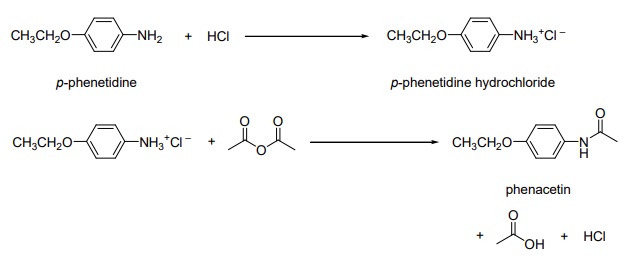
https://www.stolaf.edu/people/hansonr/chem253/expt4_2008_phenacetin.pdf
Description
Phenacetin, a painkiller, was the world’s first synthetic pharmaceutical drug. It was one of the first painkillers that was not derived from opium while at the same time being absent of antiinflammatory qualities. Phenacetinwas developed in 1878 by an American chemist, Harmon Northrop Morse. It was introduced into the pharmaceutical market in 1887. However, it was withdrawn in 1983 in the United States due to unacceptable levels of interstitial nephritis in patients and potential risks of tumorigenicity. Like in the United States, most Western countries did not ban phenacetin from marketing until 1983. Phenacetin is a component of APC (aspirin-phenacetin-caffeine).
Chemical Properties
Acetophenetidin is a fine, white, crystalline powder or solid. Odorless with a slightly bitter taste
Originator
Phenacetin ,Environmental Health
Uses
Analgesic, antipyretic. Component of APC tablets, analgesic mixture also containing aspirin and caffeine. Phenacetin is reasonably anticipated to be a human carcinogen; analgesic mixtures containing Phenacetin are listed as known human carcinogens.
Uses
Phenacetin was used as an analgesic and fever-reducing drug in both human and veterinary medicine for many years until it was implicated in kidney disease (nephropathy) due to abuse of analgesics and was withdrawn from the market. Phenacetin also was previously used as a stabilizer for hydrogen peroxide in hair-bleaching preparations.
Uses
glycosylation inhibitor
Definition
ChEBI: Phenacetin is a member of the class of acetamides that is acetamide in which one of the hydrogens attached to the nitrogen is substituted by a 4-ethoxyphenyl group. It has a role as a non-narcotic analgesic, a peripheral nervous system drug and a cyclooxygenase 3 inhibitor. It is a member of acetamides and an aromatic ether. It is functionally related to a N-phenylacetamide, a 4-ethoxyaniline and a paracetamol.
Manufacturing Process
A mixture of 10 g of 4-ethoxyaniline and 8.6 g of acetic anhydride in 28 g of dry benzene was refluxed for 4 hours. To the reaction mixture was added a small amount of Na2S2O4. After cooling the phenacetin was crystallized; yield 12.5 g (96%), M.P. 136°C.
brand name
[Names previously used: Acetophenetidin; Acetphenetidin.];292-comprimes 369, pulvules 3p bugesic;Acetylosal;Acifein;Acromas;Acropac;Algocratine;Alumidyne;Amypron;Amypylo-n;Angifebrine;Anodin;Antiflu des;Apadine;Apidin;Apracur;Arcin;Asceine;Ascophen;Ascthimindon;Asfeen;Ban-o-pain;Bexophene;Bromo quinina;Butal compound;Butorinal;Calmante muri;Capacetyl;Capramin;Caps dr knapp;Capsula dr. knapp;Ceachin;Cefinal;Cequinyl fort;Chloracet;Citramol;Codopyrin;Codral;Conta-schmerz;Coricidin f;Cotradol;Darvocomp-n;Darvon compuesto 65;Darvon n compuesto;Dentocaps;Dolafort;Dolomo;Doloxene comp forte, capsules;Dolviron;Doregrippin;Doscafis;Doviron;Drinacet;Estrifen;Femcaps;Fenascor;Fenbutal;Flexalgit;Florital;Fonal;Fridol;Friocellin;Funapann;Gripanidan;Harbureta;Hemagene taylor;Icn 65;Influenza tabs;Isollyl;Isomidon;Katagrip;Lekasin;Linarol;Manasul;Mardon;Migesic;Mironal;Monacet;Myolate;Neopyrine;Nevral vit b1 b6;Novacetol;Novosephalgin;Olfano;Omniadol;Papnin;Para-grip;Parametten;Pargesic compound;Pasadex;Pedigel;Phenacetine powder;Phenorial;Polypyrine;Poxy;Procomp-65;Prodigestan;Prodolor;Protension;Quadrochin;Rectoral;Refagan;Repro;Respritin;Rhinazol;Rinurel;Rinutan;Robaxisan-pm;Ron-drive;Rumicine;S antineuralgic;S fc;Sacadol;Sadaspir;Sedalmerck;Sk 65 compound caps.;Soma compound;Soma compuesto;Sonalgin;Spacin;Spasmindon;Spasmo-compralgyl;Synalogos-dc;T h;Tetrex-apc;Tetrracydin;Tiiomapirina;Tomapiena;Triplex;Uga-no;Vandar-65;Vasogesic;Vicks action 500;Zactirin compound-100.
Therapeutic Function
Analgesic
World Health Organization (WHO)
Phenacetin, an aniline derivative, was introduced into medicine as an antipyretic over a century ago. It subsequently gained recognition as an analgesic and was available in many proprietary analgesic preparations. However, in the 1940s its habitual use was first implicated as the cause of methaemoglobinaemia and chronic haemolysis. Since 1950 there have been many reports published indicating that abusive use is associated with cumulative renal damage. Evidence also exists to suggest that it may have a carcinogenic potential. The drug has been withdrawn in many countries but may remain available in others. (Reference: (WHODI) WHO Drug Information, 1, 5, 1980)
Synthesis Reference(s)
Synthesis, p. 168, 1995 DOI: 10.1055/s-1995-3868
General Description
Phenacetin is an odorless fine white crystalline solid with a lightly bitter taste. Used as an analgesic medicine.
Air & Water Reactions
Insoluble in water.
Reactivity Profile
Phenacetin react with oxidizing agents, iodine and nitrating agents.
Fire Hazard
Flash point data for Phenacetin are not available but Phenacetin is probably combustible.
Biochem/physiol Actions
Substrate of CYP1A2 and CYP2D6.
Clinical Use
Phenidine is a weak analgesic, antipyretic compound without antiinflammatory action. It has been used in combination with other compounds like aspirin, caffeine, or codeine, but due to hematological and nephrotoxic side effects has been withdrawn from the market and substituted by the less toxic paracetamol.
Safety Profile
Confirmed carcinogen producing tumors of the lildney and bladder. A human poison by an unspecified route. Poison by intravenous and possibly other routes. Moderately toxic by several routes. Human systemic effects by ingestion: cyanosis, liver damage, and methemoglobinemiacarboxyhemo-globinemia. Experimental teratogenic data. Other experimental reproductive effects. Mutation data reported. Chronic effects consist of weight loss, insomnia, shortness of breath, weakness, and often aplastic anemia. When heated to decomposition it emits toxic fumes of NOx,.
Potential Exposure
Phenacetin is used as an analgesic and antipyretic drug. It is used alone or in combination with aspirin and caffeine for mild to moderate muscle pain relief. Phenacetin has also been used as a stabilizer for hydrogen peroxide in hair bleaching preparations. A laboratory reagent. In veterinary medicine; it is used as an analgesic and antipyretic.
Carcinogenicity
Phenacetin is reasonably anticipated to be a human carcinogen based on sufficient evidence of carcinogenicity from studies in experimental animals.
Environmental Fate
Phenacetin occurs at room temperature as white, odorless monoclinic prisms. It is soluble in water, alcohol, glycerol, and acetone and is slightly soluble in benzene. It is unstable to oxidizing agents, iodine, and nitrating agents. Phenacetin has a melting point of 134–135 °C; log Kow of 1.58; water solubility of 30 mg l-1 at 25 °C; and vapor pressure of 0.00316mmHg at 25 °C.
Phenacetin’s former use and production as an analgesic may have allowed release into the environment through various waste streams. Phenacetin exists both as vapor and as particulate if released to air. The vapor phase is expected to be readily degraded by reaction with photochemically produced hydroxyl radicals with a half-life reaction of 22 h. The particular phase, however, is removed by wet and dry deposition reactions. Phenacetin can enter the environment through leaching into groundwater when released into the soil with moderate mobility. When released into the water, it does not adsorb to suspended solids and sediment, but is expected to be inert to reaction with naturally occurring oxidants found in water with a half-life of more than 30 days. Phenacetin has an estimated bioconcentration factor of less than 100, and is not expected to significantly bioaccumulate. Volatilization is insignificant.
Shipping
UN2811 Toxic solids, organic, n.o.s., Hazard Class: 6.1; Labels: 6.1-Poisonous materials, Technical Name Required.
Purification Methods
Crystallise it from H2O or EtOH, and its solubility in H2O is 0.08% (at ~10o) and 1.2% (at ~100o), and in EtOH it is 6.7% (at ~10o) and 36% (at ~100o). Alternatively it can be purified by solution in cold dilute alkali and re-precipitating by addition of acid to neutralisation point. Dry it in air. [Beilstein 13 H 461, 13 IV 1092.]
Toxicity evaluation
It is unclear how phenacetin induces nephropathy. Studies proposed that phenacetin’s metabolite, acetaminophen (paracetamol), leads to lipid peroxidation that damages kidney cells through cyclooxygenases reaction that catalyzes the conversion of paracetamol into N-acetyl-p-benzoquinoneimine (NAPQI). NAPQI, in turn, depletes glutathione via nonenzymatic conjugation to glutathione, a naturally occurring antioxidant.With the depletion of glutathione, kidney cells are more susceptible to oxidative damage.
Incompatibilities
Oxidizing agents, iodine and nitrating agents.
Waste Disposal
It is inappropriate and possibly dangerous to the environment to dispose of expired or waste pharmaceuticals by flushing them down the toilet or discarding them to the trash. Household quantities of expired or waste pharmaceuticals may be mixed with wet cat litter or coffee grounds, double-bagged in plastic, discard in trash. Larger quantities shall carefully take into consideration applicable DEA, EPA, and FDA regulations. If possible, return the pharmaceutical to the manufacturer for proper disposal being careful to properly label and securely package the material. Alternatively, the waste pharmaceutical shall be labeled, securely packaged, and transported by a state licensed medical waste contractor to dispose by burial in a licensed hazardous or toxic waste landfill or incinerator. Consult with environmental regulatory agencies for guidance on acceptable disposal practices. Generators of waste containing this contaminant (≥100 kg/mo) must conform with EPA regulations governing storage, transportation, treatment, and waste disposal. Permanganate oxidation, microwave plasma treatment, alkaline hydrolysis or incineration.
Phenacetin synthesis
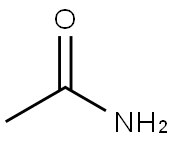
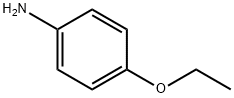
Synthesis of Phenacetin from Acetamide and Phenetidine
Phenacetin Preparation Products And Raw materials
Buy Phenacetin, CAS 62-44-2 Online – Premium Laboratory-Grade Reference Material
Phenacetin (CAS 62-44-2) | High-Purity Analytical Standard for Research
Our Phenacetin, CAS 62-44-2, is a laboratory-grade research chemical meticulously prepared for scientists, analytical chemists, and academic institutions. Researchers looking to buy Phenacetin, CAS 62-44-2 Online, order Phenacetin, CAS 62-44-2 Online, or find where to buy Phenacetin, CAS 62-44-2 can rely on our high-purity powder for precise experimentation and method validation.
Phenacetin, historically used as an analgesic, now serves exclusively as an analytical reference standard. Its chemically stable crystalline structure and consistent properties make it ideal for pharmaceutical testing, forensic analysis, and academic research.
Product Specifications & Technical Details
Chemical Identity:
- Chemical Name: p-Acetophenetidide (Phenacetin)
- CAS Number: 62-44-2
- Molecular Formula: C₁₀H₁₃NO₂
- Molecular Weight: 179.22 g/mol
Physical Properties:
- Appearance: White crystalline powder
- Melting Point: 134–137°C
- Boiling Point: Decomposes before boiling
- Density: 1.24 g/cm³
- Solubility: Slightly soluble in water, soluble in ethanol, acetone, and chloroform
- Purity: ≥99% HPLC-verified
Storage Recommendations:
- Store in a tightly sealed, light-protected container
- Keep at room temperature in a dry, ventilated laboratory environment
- Avoid exposure to heat, moisture, and direct sunlight
Analytical and Research Applications
1. Pharmaceutical & Analytical Chemistry
- Reference Standard: Essential for HPLC, LC-MS, and GC-MS analytical methods
- Quality Control: Evaluates purity and validates pharmaceutical manufacturing processes
- Forensic Applications: Used for drug identification and impurity profiling in forensic laboratories
- Spectroscopic Studies: IR and UV-Vis spectra serve as benchmarks for compound characterization
2. Academic and Research Institutions
- Teaching Tool: Demonstrates chemical structure, spectroscopy, and crystallography
- Experimental Research: Ideal for method development in synthetic chemistry studies
- Historical Pharmaceutical Research: Allows analysis of legacy analgesic formulations for educational purposes
3. Industrial and Specialized Applications
- Chemical Intermediate: Can serve as a reagent in controlled organic synthesis
- Analytical Method Validation: Standard reference for developing accurate testing protocols
- Research Standards: Used to calibrate instruments and ensure experimental reproducibility
Structural and Spectroscopic Details
Functional Groups:
- Amide group (-NH-CO-CH₃)
- Ether group (-O-CH₂-CH₃)
Spectral Data Highlights:
- IR Spectrum Peaks:
- 3300 cm⁻¹ (N-H stretch)
- 1650 cm⁻¹ (C=O stretch)
- 1600 cm⁻¹ (C=C aromatic stretch)
- 1240 cm⁻¹ (C-O-C ether stretch)
- Full annotated IR spectrum included with purchase
Structural Advantages:
- Crystalline orthorhombic lattice ensures stability and reproducibility
- Ideal for analytical comparisons and method standardization
Safety and Handling Guidelines
Critical Safety Information:
- Phenacetin is a research-only compound and is not for human or veterinary use
- Historical data indicates potential nephrotoxicity and carcinogenicity
- Always use appropriate PPE: gloves, lab coat, and protective eyewear
Handling Recommendations:
- Conduct all experiments in a ventilated laboratory or fume hood
- Avoid inhalation, ingestion, and direct skin contact
- Store securely in labeled, restricted-access containers
- Follow proper chemical waste disposal regulations
Ordering Options & Documentation
Available Packaging Sizes:
- Small-scale analytical research (5–50 mg)
- Standard laboratory supply (100 mg–1 g)
- Bulk quantities for method development and industrial research
Every Order Includes:
- Certificate of Analysis (CoA) with HPLC purity data
- Complete IR spectrum and annotated analytical data
- Material Safety Data Sheet (MSDS)
- Secure, tamper-evident packaging
Pricing & Supply:
- Competitive Phenacetin, CAS 62-44-2 price for small and bulk orders
- Trusted global shipping to accredited laboratories and institutions
Legal and Compliance Disclaimer
This Phenacetin, CAS 62-44-2 for sale is intended solely as an analytical reference standard and research chemical. It is not for consumption, diagnostic use, or therapeutic application. Buyers are fully responsible for ensuring compliance with all applicable laws regarding purchase, handling, and storage. Verification of research use or institutional affiliation may be required prior to sale.
Phenacetin CAS 62-44-2 Wholesale & Bulk
Phenacetin Powder CAS 62-44-2 is used to treat fever headache, neuralgia, etc. It was one of the first painkillers that were not derived from opium while at the same time being absent of anti-inflammatory qualities.
Wholesale phenacetin does not have an antipyretic and analgesic effect, in the body, it is metabolically decomposed into acetaminophen, which exerts an antipyretic and analgesic effect. The effect of phenacetin is slow and long-lasting, and it has good efficacy in the treatment of headache, neuralgia, arthralgia and fever, but the anti-rheumatic and anti-inflammatory effect is weak.
Buy 1kg Phenacetin Powder Online, Buy fenacetina shiny phenacet, Buy Phenacetin / 4-acetophenetidine Raw Powder In Bulk, Buy Phenacetin Crystal and Powder, Buy Phenacetin Crystal and Powder CAS 62-44-2, Buy Phenacetin Crystal and Powder Online, Buy Phenacetin Crystal and Powder Online CAS 62-44-2, Buy Phenacetin Online, Buy Phenacetin Powder 25 kg, Buy Phenacetin Powder 25 kg Online, Buy premium Benzocaine Powder 99.9% Pure in the UK, Buy wholesale Phenacetin Crystal and Powder CAS 62-44-2, Buy wholesale phenacetin crystal and powder in usa, Buy wholesale phenacetin crystal and powder online, Buy Wholesale Phenacetin Powder CAS 62-44-2, Buy Wholesale Phenacetin Powder CAS 62-44-2 in Belgium, Buy Wholesale Phenacetin Powder CAS 62-44-2 in Canada, Buy Wholesale Phenacetin Powder CAS 62-44-2 in France, Buy Wholesale Phenacetin Powder CAS 62-44-2 in Germany, Buy Wholesale Phenacetin Powder CAS 62-44-2 in USA, Buy Wholesale Phenacetin Powder CAS 62-44-2 Netherlands, Buy Wholesale Phenacetin Powder CAS 62-44-2 Paris, Get 99.9% pure Phenacetin powder at wholesale price in France, Order 99% pure Phenacetin powder Online, Order High-Quality Phenacetin crystal powder Online, Order Phenacetin Crystal and Powder CAS 62-44-2, Order Phenacetin Crystal and Powder Online, Order Phenacetin Crystal and Powder Online Australia, Order Phenacetin Crystal and Powder Online CAS 62-44-2, Order Phenacetin Crystal and Powder Online UK, Phenacetin crystal fenacetina for sale, Phenacetin for Sale, Phenacetin powder Buy Online in Canada, Phenacetin powder Buy Online in Europe, Phenacetin powder Buy Online in France, Phenacetin powder Buy Online in Germany, Phenacetin powder Buy Online in Paris, Phenacetin powder Buy Online in USA, Phenacetin powder for sale, Phenacetin powder for sale Belgium, Phenacetin powder for sale Canada, Phenacetin powder for sale France, Phenacetin powder for sale in Europe, Phenacetin powder for sale in Germany, Phenacetin powder for sale in Netherlands, Phenacetin Suppliers and Wholesalers Online, Preparation Phenacetin powder For Sale Europe, Where can i buy wholesale phenacetin crystal and powder, wholesale bulk high quality phenacetin crystal cas 62-44-2 for sale, Wholesale Phenacetin Crystal Powder in Canada, Wholesale Phenacetin Crystal Powder in France, Wholesale Phenacetin Crystal Powder in Germany
Buy wholesale Phenacetin Crystal and Powder CAS 62-44-2 | Phenacetin powder for sale | Buy wholesale Phenacetin Crystal and Powder CAS 62-44-2.
Buy Phenacetin Crystal and Powder CAS 62-44-2 (Acetophenetidin) is a non-opioid analgesic/antipyretic agent. It is a selective COX-3 inhibitor. Phenacetin is used as probe of cytochrome P450 enzymes CYP1A2 in human liver microsomes and in rats.
Buy Phenacetin Online (acetophenetidin, N-(4-ethoxyphenyl)acetamide) is a pain-relieving and fever-reducing drug, which was widely used following its introduction in 1887. It was withdrawn from medicinal use as dangerous from the 1970s (e.g., withdrawn in Canada in 1973, and by the
U.S. Food and Drug Administration in 1983). Phenacetin powder for sale
History Phenacetin powder Buy Online
Order Phenacetin Crystal and Powder CAS 62-44-2 was introduced in 1887 in Elberfeld, Germany by German company Bayer, and was used principally as an analgesic; it was one of the first synthetic fever reducers to go on the market. It is also known historically to be one of the first non-opioid analgesics without anti-inflammatory properties. Phenacetin powder for sale
Prior to World War One, Britain imported phenacetin from Germany. During the war, a team including Jocelyn Field Thorpe and Martha Annie Whiteley developed a synthesis in Britain. Phenacetin powder for sale
Known mechanism of action | Order Phenacetin Crystal and Powder Online CAS 62-44-2
Phenacetin’s analgesic effects are due to its actions on the sensory tracts of the spinal cord. In addition, phenacetin has a depressant action on the heart, where it acts as a negative inotrope. It is an antipyretic, acting on the brain to decrease the temperature set point. It is also used to treat rheumatoid arthritis (subacute type) and intercostal neuralgia. Order Phenacetin Crystal and Powder CAS 62-44-2
In vivo, one of two reactions occur. Usually phenacetin’s ether is cleaved to leave paracetamol (acetaminophen), which is the clinically relevant analgesic. A minority of the time the acetyl group is removed from the amine, producing carcinogenic p-phenetidine. This reaction is quite rare, however, as evidenced by the fact that the drug was on the market for almost 100 years before a statistical link was established, when Canada, followed by the United States, withdrew it from the market. Phenacetin powder for sale
Preparation Phenacetin powder For Sale Europe
The first synthesis was reported in 1878 by Harmon Northrop Morse.
Phenacetin may be synthesized as an example of the Williamson ether synthesis: ethyl iodide, paracetamol, and anhydrous potassium carbonate are heated in 2-butanone to give the crude product, which is recrystallized from water. Order Phenacetin Crystal and Powder Online CAS 62-44-2
Uses of Phenacetin powder | Buy Phenacetin Crystal and Powder Online CAS 62-44-2
Vicks cold tablets, containing: salicylamide, phenacetin 2½ grs., pyrilamine maleate, caffeine, ephedrine sulphate, magnesium hydroxide, aluminum hydroxide complex (U.S. Pat. 2,446,981). That patent number is from 1948; these tablets would have been made shortly thereafter.
Phenacetin was widely used until the third quarter of the twentieth century, often in the form of an A.P.C., or “aspirin-phenacetin-caffeine” compound analgesic, as a remedy for fever and pain. An early formulation (1919) was Vincent’s APC in Australia. Phenacetin powder for sale
In the United States, the Food and Drug Administration ordered the withdrawal of drugs containing phenacetin in November 1983, due to its carcinogenic and kidney-damaging properties. It was also banned in India. As a result, some branded, and previously phenacetin-based, preparations continued to be sold, but with the phenacetin replaced by safer alternatives. A popular brand of phenacetin was Roche’s Saridon, which was reformulated in 1983 to contain propyphenazone, paracetamol and caffeine. Coricidin was also reformulated without phenacetin.
Paracetamol is a metabolite of phenacetin with similar analgesic and antipyretic effects, but the new formulation has not been found to have phenacetin’s carcinogenicity. Phenacetin powder for sale
Phenacetin has been used as a cutting agent to adulterate cocaine in the UK and Canada, due to the similar physical properties. There, it has been given the nickname “magic”.
Due to its low cost, phenacetin is used for research into the physical and refractive properties of crystals. It is an ideal compound for this type of research. Buy Phenacetin Crystal and Powder CAS 62-44-2
In Canada phenacetin is used as a laboratory reagent, and in a few hair dye preparations (as a stabilizer for hydrogen peroxide). While it is considered a prescription drug, no marketed drugs contain phenacetin. Phenacetin powder for sale
Safety Phenacetin powder – Phenacetin powder-Supplier
Phenacetin, and products containing phenacetin, have been shown in an animal model to have the side effect and after-effect of carcinogenesis. In humans, many case reports have implicated products containing phenacetin in urothelial neoplasms, especially urothelial carcinoma of the renal pelvis. Phenacetin is classified by the International Agency for Research on Cancer (IARC) as carcinogenic to humans. In one prospective series, phenacetin was associated with an increased risk of death due to urologic or renal diseases, death due to cancers, and death due to cardiovascular diseases.
In addition, people with glucose-6-phosphate dehydrogenase deficiency may experience acute hemolysis, or dissolution of blood cells, while taking this drug. Acute hemolysis is possible in the case of patients who develop an IgM response to phenacetin leading to immune complexes that bind to erythrocytes in blood. The erythrocytes are then lysed when the complexes activate the complement system. Order Phenacetin Crystal and Powder CAS 62-44-2
Chronic use of phenacetin is known to lead to analgesic nephropathy characterized by renal papillary necrosis. This is a condition which results in destruction of some or all of the renal papillae in the kidneys. It is believed that the metabolite p-phenetidine is at least partly responsible for these effects. Phenacetin powder for sale
One notable death that can possibly be attributed to the use of this drug was that of the aviation pioneer Howard Hughes. He had been using phenacetin extensively for the treatment of chronic pain; it was stated during his autopsy that phenacetin use may have been the cause of his kidney failure. Buy Phenacetin Crystal and Powder Online CAS 62-44-2
Shipping
Room temperature in continental US; may vary elsewhere.
Storage
Powder -20°C 3 years
4°C 2 years
In solvent -80°C 6 months
-20°C 1 month
Solvent & Solubility
In Vitro:
DMSO : ≥ 100 mg/mL (557.97 mM)
H2O : 0.67 mg/mL (3.74 mM; Need ultrasonic)
*“≥” means soluble, but saturation unknown.
Preparing
Raw materials
PhenetidineAcetaminophenAcetic anhydridephenylacetic anhydrideAcetic acid
Preparation Products
4-Ethoxy-N-methylacetanilide3,4-DimethoxyphenolPhenacetin-d3Pyrrolo[2,3-b]indole, 5-ethoxy-1,2,3,3a,8,8a-hexahydro-1,3a,8-trimethyl-, (3aR,8aS)-rel-Benzothiazole, 6-ethoxy-2-methyl- (7CI,8CI,9CI)
- To order Phenacetin (CAS 62-44-2), you can consider the following options:
- Phenacetin Powder: Available for purchase online, this laboratory-grade research chemical is intended for scientists and analytical chemists. It is not for consumption and is used as an analytical reference standard. 1
- Phenacetin for Laboratory Analysis: This product is available for laboratory analysis, research, and quality control, with a purity of 98%. 1
- Purchase Options: You can find Phenacetin on various chemical suppliers’ websites, such as ChemicalBook and MilliporeSigma. 2Make sure to verify the supplier’s compliance with all applicable laws regarding purchase and handling.
3 Sources
k2spices.comBuy Phenacetin Powder | CAS 62-44-2 | Lab-Grade Analytical Standard
View all
- Buy Phenacetin Powder | CAS 62-44-2 | Lab-Grade …Buy high-purity Phenacetin powder (CAS 62-44-2) for research & analytical applications. Lab-grade quality …
- ChemicalBookhttps://www.chemicalbook.comPhenacetin | 62-44-2 – ChemicalBookOct 10, 2026 · Phenacetin (CAS 62-44-2) information, including chemical properties, structure, melting point, boiling point, density, …
- Boiling point: 132 °C / 4mmHgMelting point: 133-136 °C (lit.)
- Density: 1.1248 (rough estimate)
- refractive index: 1.5710
- – 1-Acetyl-p-phenetidin, 4′-EthoxyacetanilideCAS 62-44-2. Molecular Weight 179.22. Browse Phenacetin and related products at MilliporeSigma.
…Phenacetin/Acetophenetidin, AR, ≥98% | CAS 62-44-2Final prices will be confirmed at the time of order. Phenacetin/Acetophenetidin, AR, ≥98% (CAS 62-44 …
- aldrichPhenacetin = 98.0 HPLC 62-44-2 – MilliporeSigmaFind documentation for the products that you have recently purchased in the Document Library. How can I determine the shelf life / …
- U.S. Pharmacopeiahttps://store.usp.org › product[Phenacetin (500 mg)] – CAS [62-44-2] – USPFind the standards and solutions you need—right when you need them. Effortlessly share your selections with your procurement …
- (Acetophenetidin) | Reference/Analytical standard | CAS …Phenacetin (Acetophenetidin) is an analgesic/antipyretic drug that was once popular but is no longer extensively used due to …
- phenacetin.htmlPhenacetin (Acetophenetidin) | CAS 62-44-2 | AbMole BioScience …Buy COX inhibitor Phenacetin (Acetophenetidin) from AbMole BioScience.
- 62-44-2) – Cayman ChemPhenacetin: An Analytical Reference Standard. CAS Number: 62-44-2. Synonyms: p-Acetophenetidide, 4′-Ethoxyacetanilide, NSC …
- productPhenacetin (CAS 62-44-2) | Glentham Life SciencesBuy GK3477 – Phenacetin (62-44-2) online from Glentham Life Sciences, a manufacturer and supplier of fine chemicals. View …
- People also ask
- What is the CAS number for phenacetin?What is the synonym of phenacetin ch3conhc6h4oc2h5?What is the difference between phenacetin and acetophenetidin?Is phenacetin an analgesic?
- Deep dive into Order Phenacetin (acetophenetidin) Cas 62-44-2

Leave a Reply