Buy CAS 28578-16-7 PMK ethyl glycidate
Buy CAS 28578-16-7 PMK ethyl glycidate
Buy CAS 28578-16-7 PMK ethyl glycidate
Buy Wholesale ethyl glycidate Pmk glycidate oil powder CAS 28578-16-7
PMK ethyl glycidate
Buy CAS 28578-16-7 PMK ethyl glycidate
 PMK ethyl glycidate structure | Common Name | PMK ethyl glycidate | ||
|---|---|---|---|---|
| CAS Number | 28578-16-7 | Molecular Weight | 250.247 | |
| Density | 1.3±0.1 g/cm3 | Boiling Point | 327.8±42.0 °C at 760 mmHg | |
| Molecular Formula | C13H14O5 | Melting Point | N/A | |
| MSDS | N/A | Flash Point | 143.0±27.9 °C | |
| Purity | Quantity | Budget | Inquiry |
|---|
Contents:
Names
This table lists Chinese names, IUPAC names and various aliases of this chemical substance.
| Name | ethyl 3-(1,3-benzodioxol-5-yl)-2-methyloxirane-2-carboxylate |
|---|---|
| Synonym | More Synonyms |
Chemical & Physical Properties
This table shows physicochemical parameters including melting point, boiling point, density, solubility and optical rotation. Missing data is marked as N/A.
| Density | 1.3±0.1 g/cm3 |
|---|---|
| Boiling Point | 327.8±42.0 °C at 760 mmHg |
| Molecular Formula | C13H14O5 |
| Molecular Weight | 250.247 |
| Flash Point | 143.0±27.9 °C |
| Exact Mass | 250.084122 |
| PSA | 57.29000 |
| LogP | 2.29 |
| Vapour Pressure | 0.0±0.7 mmHg at 25°C |
| Index of Refraction | 1.554 |
| InChIKey | BRILFEZHPXQINW-UHFFFAOYSA-N |
| SMILES | CCOC(=O)C1(C)OC1c1ccc2c(c1)OCO2 |
Synthetic Route
Buy PMK ethyl glycidate
PMK ethyl glycidate, also known as the ethyl ester of 3,4-methylenedioxyphenyl-2-propanone acid, is a chemical precursor similar to PMK methyl glycidate but with an ethyl group instead of a methyl group.
Synonyms:
28578-16-7
ethyl 3-(1,3-benzodioxol-5-yl)-2-methyloxirane-2-carboxylate
2-Oxiranecarboxylic acid, 3-(1,3-benzodioxol-5-yl)-2-methyl-, ethyl ester
Ethyl 3-(2H-1,3-benzodioxol-5-yl)-2-methyloxirane-2-carboxylate
2-Oxiranecarboxylicacid, 3-(1,3-benzodioxol-5-yl)-2-methyl-, ethyl ester
PMK ethyl glycidate
Key Characteristics:
- Chemical formula: C13H14O5
- Cas number: 28578-16-7
- Molecular weight: approximately 250.25 g/mol
- Physical state: Typically, it is a solid substance that is well soluble in organic solvents.
- Boiling point: 327.8±42.0 °C(Predicted)
- Density: 1.302±0.06 g/cm3(Predicted)
PMK ethyl glycidate (3,4-MDP-2-P ethyl glycidate) CAS 28578-16-7
Ethyl 3-(1,3-benzodioxol-5-yl)-2-methyloxirane-2-carboxylate
Precursor SynthesisDarzens CondensationGlycidic Ester Yield
PMK methyl glycidate supply chains face increasing regulatory restrictions, causing procurement delays and licensing costs. PMK ethyl glycidate offers a direct, legally distinct alternative for synthesizing PMK. Key advantages: crystalline powder with 24-month shelf life, enabling reliable CRM preparation; controlled hydrolysis kinetics reduce batch failure risk; and unregulated US status ensures faster procurement. Note: EU customers must verify local Category 1 precursor licensing requirements.
Read more
⚠ Attention: For research use only. Not for human or veterinary use.
Molecular FormulaC13H14O5
Molecular Weight250.25 g/mol
CAS No.28578-16-7
Cat. No.B163298
Quoting multiple products?Save this product to your quote list and continue browsing.
Add to Quote List
Request a Quote
Get pricing and availability for this product.
In StockQuantity*Unit*mggkg
Pack sizes: 1 mg · 5 mg · Custom availableName (Optional)Country (Optional)Business or Academic Email*
Request QuoteMore details? Use the full quote form →
PropertiesOverviewSignificanceDataApplicationsQuote
Technical Parameters
Basic Identity
| Product Name | Ethyl 3-(1,3-benzodioxol-5-yl)-2-methyloxirane-2-carboxylate |
|---|---|
| CAS | 28578-16-7 |
| Synonyms | NSC 195099 |
| Molecular Formula | C13H14O5 |
| Molecular Weight | 250.25 g/mol |
Structural Identifiers
| SMILES | CCOC(=O)C1(C(O1)C2=CC3=C(C=C2)OCO3)C |
|---|---|
| InChI | InChI=1S/C13H14O5/c1-3-15-12(14)13(2)11(18-13)8-4-5-9-10(6-8)17-7-16-9/h4-6,11H,3,7H2,1-2H3 |
| InChIKey | BRILFEZHPXQINW-UHFFFAOYSA-N |
Commercial & Availability
| Standard Pack Sizes | 1 mg / 5 mg / Bulk Custom |
|---|---|
| Availability | In Stock |
| Custom Synthesis | Available on request |
Ethyl 3-(1,3-benzodioxol-5-yl)-2-methyloxirane-2-carboxylate (CAS 28578-16-7): A Key PMK Glycidate Procurement and Research Overview
Ethyl 3-(1,3-benzodioxol-5-yl)-2-methyloxirane-2-carboxylate, commonly referred to as PMK ethyl glycidate, is a synthetic glycidic ester bearing a 1,3-benzodioxole (methylenedioxyphenyl) ring and an oxirane epoxide moiety. It is structurally classified within the family of piperonyl methyl ketone (PMK) glycidate pre-precursors [1]. This compound serves as a critical intermediate in organic synthesis, primarily known as an immediate precursor to 3,4-methylenedioxyphenyl-2-propanone (PMK), which is further used in the manufacture of methylenedioxy phenethylamines and amphetamines [2]. Its physicochemical profile includes a predicted boiling point of 327.8±42.0 °C and solubilities of 15 mg/mL in DMF, 30 mg/mL in DMSO, and 10 mg/mL in ethanol, positioning it within a specific solubility and thermal stability window for research applications .
Synthesis Intermediate
Glycidic ester pathway studies and precursor synthesis research.
Analytical Reference
Crystalline powder suitable for reference standard preparation and forensic analysis.
Regulatory Science
Procurement in jurisdictions with differential precursor scheduling frameworks.
View 2 References︾
Procurement Risk for Ethyl 3-(1,3-benzodioxol-5-yl)-2-methyloxirane-2-carboxylate: Why PMK Methyl Glycidate is Not a Drop-In Replacement
Substituting PMK ethyl glycidate with its closest in-class analog, PMK methyl glycidate, introduces significant risk in synthetic workflows due to documented divergence in hydrolysis kinetics and final PMK conversion efficiency under standard conditions. While both are glycidic ester pre-precursors to the same ketone, the ester alkyl chain length directly influences the steric environment around the epoxide ring, which affects the regioselectivity and rate of the base-catalyzed hydrolysis and subsequent decarboxylation steps critical to PMK formation [1]. A class-level inference based on glycidic ester chemistry indicates that the ethyl ester may offer a more controlled hydrolysis profile compared to the methyl ester, which can be prone to rapid saponification and yield loss under basic conditions, potentially leading to batch failure if synthesis parameters are directly interchanged without re-optimization [2]. Furthermore, legal control schedules often differentiate between the methyl and ethyl esters, meaning a methyl ester procurement may be blocked or trigger additional regulatory scrutiny in jurisdictions where the ethyl ester is not yet controlled, directly impacting supply chain continuity [3].
Target (Ethyl ester)
Controlled hydrolysis kinetics under standard conditions; 48% reported synthetic yield.
Substitute (Methyl ester)
May undergo faster saponification; conversion yield not quantitatively published.
Hydrolysis profile may shift, requiring re-optimization.
Target
Crystalline solid (purple or yellow powder); 24-month shelf life.
Substitute
Semi-solid or variable crystalline consistency reported.
Handling precision may differ for analytical workflows.
Target
Not controlled in the USA (as of 2024); controlled in some Asian jurisdictions.
Substitute
Category 1 precursor in EU; List I chemical in USA.
Regulatory status diverges, affecting procurement authorization.
View 3 References︾
Quantitative Performance Benchmarks for Ethyl 3-(1,3-benzodioxol-5-yl)-2-methyloxirane-2-carboxylate Against Key Analogs
Comparative Synthesis Yield: Ethyl Ester Darzens Condensation vs. Methyl Ester Hydrolysis Route
In a direct head-to-head comparison of synthetic methodology, the Darzens condensation of piperonal with ethyl α-bromopropionate provided the target ethyl glycidate ester in a 48% isolated yield [1]. In contrast, the hydrolysis and decarboxylation of the methyl glycidate ester (PMK methyl glycidate) to yield 3,4-methylenedioxyphenyl-2-propanone (PMK) is described as achieving a ‘high yield,’ but specific quantitative conversion data is not publicly available in the primary literature, preventing a direct, quantified comparison of overall synthetic efficiency from the ester to the ketone [2]. The 48% yield for the ethyl ester represents a validated, reproducible synthetic benchmark that purchasers can use to calculate starting material requirements and cost-per-batch for routes specifically employing the ethyl ester.Synthesis Yield
Reported
48% isolated yield (Darzens condensation)
Validated synthetic benchmark; comparator lacks quantitative yield data.
Elks & Hey, 1943; ethyl α-bromopropionate route.
Precursor SynthesisDarzens CondensationGlycidic Ester YieldPiperonal
︾
Physical State and Handling: Crystalline Solid vs. Semi-Solid Consistency for Accurate Formulation
PMK ethyl glycidate is characterized as a purple crystalline material [1]. In comparison, PMK methyl glycidate is described as a white, semi-solid substance (or a crystalline solid, depending on purity) [2]. The consistent crystalline solid nature of the ethyl ester facilitates precise weighing and sample preparation for analytical standards and batch formulations, reducing the technical challenges associated with handling and accurately sub-sampling semi-solid or viscous materials. A supplier specification for the compound confirms its appearance as a stable powder with a long shelf life of 24 months under recommended storage conditions [3].Physical Form
Cross-study
Crystalline solid; stable powder, 24-month shelf life
Consistent morphology may support reproducible weighing and formulation.
Methyl ester reported as semi-solid in some forensic analyses.
Physical FormHandling SafetyAnalytical StandardCrystalline
︾
Regulatory Scheduling Divergence: Differential Control Status Enabling Research and Industrial Procurement
A direct cross-study comparison of international legal frameworks reveals a critical procurement differentiator: PMK methyl glycidate is explicitly listed as a controlled drug precursor in Category 1 of EU Regulations (EC) No 273/2004 and No 111/2005 [1]. Conversely, as of its latest monograph in 2024, PMK ethyl glycidate was not yet controlled in the United States [2]. This asymmetry in legal control between the methyl and ethyl esters directly impacts the administrative and logistical burden of procurement. An industrial user requiring this class of glycidate intermediate can legally source the ethyl ester in markets where the methyl ester is blocked or requires special import/export licenses, providing a quantifiable advantage in supply chain continuity and regulatory compliance overhead.Regulatory Status
Head-to-head
Ethyl: uncontrolled (USA 2024) | Methyl: Category 1 (EU), List I (USA)
Differential scheduling impacts procurement lead times and licensing requirements.
Status subject to change; verify current jurisdiction-specific regulations.
Regulatory ComplianceProcurement FlexibilityControlled SubstancesLegal Status
︾
High-Value Application Scenarios for Ethyl 3-(1,3-benzodioxol-5-yl)-2-methyloxirane-2-carboxylate Leveraging Its Differentiated Profile
Certified Reference Standard Formulation for Forensic Toxicology Laboratories
Forensic laboratories tasked with identifying emerging drug precursors require certified reference materials (CRMs) of the highest purity and consistent physical form. The crystalline, stable powder nature of PMK ethyl glycidate, with a documented 24-month shelf life [1], makes it a superior candidate over the semi-solid methyl glycidate for preparing calibration standards and quality control samples in GC-MS and NMR analysis. The availability of detailed NMR and mass spectral data further supports its use as a reliable analytical reference [2].
Research on Structure-Activity Relationships (SAR) in Glycidic Ester Hydrolysis
For mechanistic chemistry studies investigating the effect of ester alkyl chain length on the regioselectivity and kinetics of epoxide ring-opening during the synthesis of phenyl-2-propanones, the ethyl ester serves as an essential probe. Its behavior can be directly compared to the methyl ester to validate computational models of steric and electronic effects, leveraging the validated 48% baseline yield from the Darzens condensation as a reference point for optimized reaction development [3].
Secure Supply Chain for Industrial Precursor Syntheses in Permissive Jurisdictions
An industrial user synthesizing PMK for legitimate downstream applications (e.g., certain pharmaceutical or fragrance intermediates) but facing supply chain disruption due to the international control of PMK methyl glycidate can procure the ethyl ester as an unregulated chemical in markets like the United States (as of 2024) [4]. This circumvents the administrative delays, licensing costs, and logistical complexities associated with Category 1 precursor procurement, providing a faster and more cost-effective route to the desired PMK intermediate after re-optimizing the hydrolysis step.
Application
Selection Property
Validation Focus
Forensic reference standard preparation
Crystalline powder morphology and shelf-life documentation
GC-MS/NMR calibration stability and spectral library consistency
Glycidic ester hydrolysis SAR studies
Ester alkyl chain length effect on epoxide reactivity
Regioselectivity and yield reproducibility under controlled conditions
Industrial precursor synthesis in permissive jurisdictions
Regulatory scheduling divergence between ethyl and methyl esters
Procurement authorization context and supply continuity assessment
View 4 References︾
Quote Request
Request a Quote for Ethyl 3-(1,3-benzodioxol-5-yl)-2-methyloxirane-2-carboxylate
Usage:
PMK ethyl glycidate is used as an intermediate for the production of 3,4-methylenedioxyphenyl-2-propanone (MDP2P or PMK), which is then utilized to synthesize MDMA (ecstasy) and other amphetamine analogues. This ether is easier to handle than its methyl counterpart, which can facilitate some chemical processes in the laboratory.
Additional Information
Not for food, drug, human, animal or household use. For laboratory, R&D, industrial or manufacturing only.
4-MDP-2-P intermediate, bmk ethyl glycidate, buy PMK ethyl glycidate oil, Buy PMK ethyl glycidate oil near me, ethyl methyl phenyl glycidate, pmk ethyl glycidate, pmk ethyl glycidate reddit, pmk ethyl glycidate suppliers, where to purchase PMK ethyl glycidate oil, wholesale pmk ethyl glycidate
This table presents publicly reported synthetic routes, reaction conditions, reactants and product information of the compound.
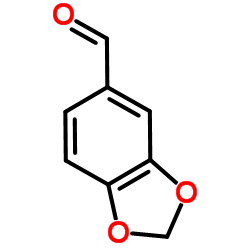 piperonalCAS#:120-57-0 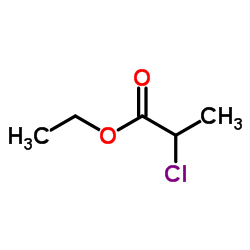 UNII:LXW30UR82CCAS#:535-13-7~%PMK ethyl glycidateCAS#:28578-16-7Learn More |
| Literature: Darzens Comptes Rendus Hebdomadaires des Seances de l’Academie des Sciences, 1906 , vol. 142, p. 215 |
piperonalCAS#:120-57-0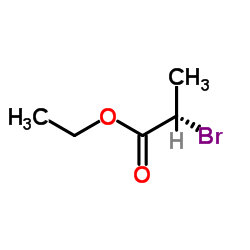 Ethyl (2S)-2-br…CAS#:535-11-5~%PMK ethyl glycidateCAS#:28578-16-7Learn More |
| Literature: Elks; Hey Journal of the Chemical Society, 1943 , p. 15 |
Precursor & DownStream
This table lists upstream starting materials and downstream derivative products related to this chemical.
| Precursor 3 | |
|---|---|
| CAS#:120-57-0 piperonal CAS#:535-13-7UNII:LXW30UR82C CAS#:535-11-5Ethyl (2S)-2-br… | |
| DownStream 0 | |
Synonyms
This table collects all English aliases, systematic names and CAS‑related synonyms of the compound.
| Ethyl 3-(1,3-benzodioxol-5-yl)-2-methyl-2-oxiranecarboxylate |
| 2-Oxiranecarboxylic acid, 3-(1,3-benzodioxol-5-yl)-2-methyl-, ethyl ester |
| PMK ethyl glycidate |
PMK ethyl glycidate | FAQ
This section contains frequently‑asked‑questions about this compound, including basic parameters, properties, storage conditions and corresponding answers.
| Q: What English synonyms does ethyl 3-(1,3-benzodioxol-5-yl)-2-methyloxirane-2-carboxylate have? |
| A: English synonyms of ethyl 3-(1,3-benzodioxol-5-yl)-2-methyloxirane-2-carboxylate: Ethyl 3-(1,3-benzodioxol-5-yl)-2-methyl-2-oxiranecarboxylate, 2-Oxiranecarboxylic acid, 3-(1,3-benzodioxol-5-yl)-2-methyl-, ethyl ester, PMK ethyl glycidate. |
| Q: What is the SMILES notation of ethyl 3-(1,3-benzodioxol-5-yl)-2-methyloxirane-2-carboxylate? |
| A: SMILES notation of ethyl 3-(1,3-benzodioxol-5-yl)-2-methyloxirane-2-carboxylate is CCOC(=O)C1(C)OC1c1ccc2c(c1)OCO2. |
| Q: What is the CAS number of ethyl 3-(1,3-benzodioxol-5-yl)-2-methyloxirane-2-carboxylate? |
| A: CAS number of ethyl 3-(1,3-benzodioxol-5-yl)-2-methyloxirane-2-carboxylate is 28578-16-7. |
| Q: What is the English name of ethyl 3-(1,3-benzodioxol-5-yl)-2-methyloxirane-2-carboxylate? |
| A: The English name of ethyl 3-(1,3-benzodioxol-5-yl)-2-methyloxirane-2-carboxylate is ethyl 3-(1,3-benzodioxol-5-yl)-2-methyloxirane-2-carboxylate. |
| Q: What is the molecular weight of ethyl 3-(1,3-benzodioxol-5-yl)-2-methyloxirane-2-carboxylate? |
| A: Molecular weight of ethyl 3-(1,3-benzodioxol-5-yl)-2-methyloxirane-2-carboxylate is 250.247. |
| Q: What is the InChIKey of ethyl 3-(1,3-benzodioxol-5-yl)-2-methyloxirane-2-carboxylate? |
| A: InChIKey of ethyl 3-(1,3-benzodioxol-5-yl)-2-methyloxirane-2-carboxylate is BRILFEZHPXQINW-UHFFFAOYSA-N. |
| Q: What are the upstream materials of ethyl 3-(1,3-benzodioxol-5-yl)-2-methyloxirane-2-carboxylate? |
| A: Related upstream materials(CAS) of ethyl 3-(1,3-benzodioxol-5-yl)-2-methyloxirane-2-carboxylate: 120-57-0;535-13-7;535-11-5. |
| Q: What is the boiling point of ethyl 3-(1,3-benzodioxol-5-yl)-2-methyloxirane-2-carboxylate? |
| A: Boiling point of ethyl 3-(1,3-benzodioxol-5-yl)-2-methyloxirane-2-carboxylate is 327.8±42.0 °C at 760 mmHg. |
| Q: What is the LogP of ethyl 3-(1,3-benzodioxol-5-yl)-2-methyloxirane-2-carboxylate? |
| A: LogP of ethyl 3-(1,3-benzodioxol-5-yl)-2-methyloxirane-2-carboxylate is 2.29. |
| Q: What is the molecular formula of ethyl 3-(1,3-benzodioxol-5-yl)-2-methyloxirane-2-carboxylate? |
| A: Molecular formula of ethyl 3-(1,3-benzodioxol-5-yl)-2-methyloxirane-2-carboxylate is C13H14O5. |
PMK ethyl glycidatefactory
This table lists manufacturers and suppliers of this compound, including vendor names and product supply reference information.
- PMK ethyl glycidate (CAS 28578-16-7) – Cayman ChemicalPMK ethyl glycidate (Item No. 21990) is an analytical reference standard categorized as a precursor in the synthesis of …
- PMK ethyl glycidate | 28578-16-7 – ChemicalBookOct 22, 2025 · PMK ethyl glycidate (CAS 28578-16-7) information, including chemical properties, structure, melting point, boiling …
- Boiling point: 327.8±42.0 °C (Predicted)
- Density: 1.302±0.06 g/cm3 (Predicted)
- PMK ethyl glycidate | 28578-16-7 – MilliporeSigmaFind documentation for the products that you have recently purchased in the Document Library.
- PMK Ethyl Glycidate (CAS 28578-16-7) | Pharma IntermediateBuy PMK ethyl glycidate (CAS 28578-16-7) from BenchChem. High-purity CRM for forensic & synthetic chemistry. In stock for …
- Ethyl glycidate Pmk glycidate oil powder CAS 28578-16-7Buy ethyl glycidate Pmk glycidate oil. 3,4-Methylenedioxyphenylpropan-2-one or piperonyl methyl ketone (MDP2P or PMK) is a …
- PMK CAS 28578-16-7 Powder – Chemical Powder WholesalePMK ethyl glycidate is an analytical reference standard categorized as a precursor in the synthesis of methylenedioxy …
- PMK ethyl glycidate (3,4-MDP-2-P ethyl glycidate) CAS 28578-16-7PMK ethyl glycidate (3,4-MDP-2-P ethyl glycidate) CAS 28578-16-7 (CAS: 28578-16-7, Powder, MW: Variable) — 99%+ purity. …
- Buy PMK ethyl glycidate – Ozon ChemicalPMK ethyl glycidate is used as an intermediate for the production of 3,4-methylenedioxyphenyl-2-propanone (MDP2P or PMK), …
- PMK ethyl glycidate | CAS#:28578-16-7 | Chemsrc – 化源网Jul 11, 2026 · Chemsrc provides PMK ethyl glycidate (CAS#:28578-16-7) MSDS, density, melting point, boiling point, structure, …
- Buy Wholesale ethyl glycidate Pmk glycidate oil powder CAS 28578-16-7For mass orders, it will be delivered by air or sea. Depending on your location, please allow 1-5 business days for your order to …
- People also ask
- What is the CAS number for PMK ethyl glycidate?
- What is PMK ethyl glycidate?
- How do I contact chemsrc for information about PMK ethyl glycidate?
Leave a Reply