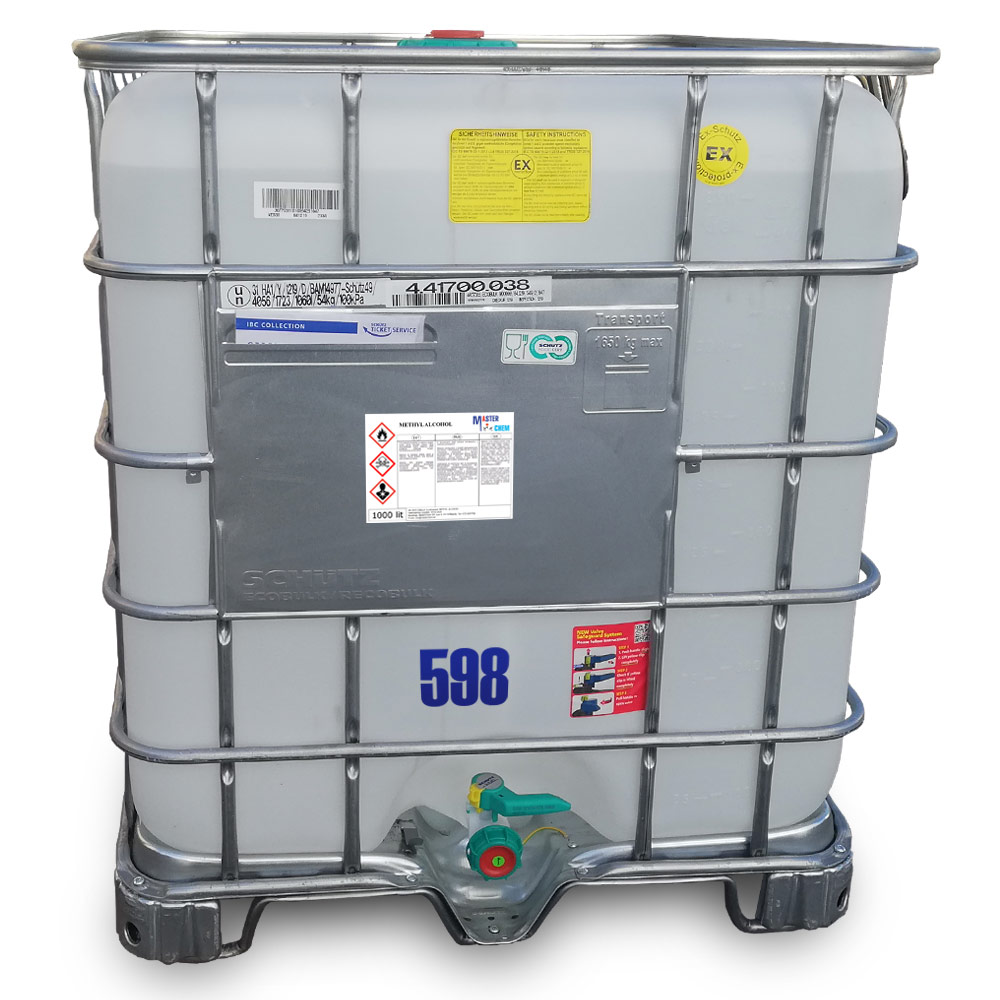
Buy methanol (methyl alcohol) Cas 67‑56‑1
Buy methanol (methyl alcohol) Cas 67‑56‑1
Buy methanol (methyl alcohol) Cas 67‑56‑1
Buy methanol (methyl alcohol) Cas 67‑56‑1
Buy methanol (methyl alcohol) Cas 67‑56‑1. Buy methanol (methyl alcohol) Cas 67‑56‑1
Methanol (CH₃OH), also known as methyl alcohol or wood alcohol, is the simplest alcohol, consisting of a methyl group linked to a hydroxyl group.
Properties
Methanol is a light, volatile, colorless, flammable liquid with a distinctive alcoholic odor similar to that of ethanol. It is polar and is used as an antifreeze, solvent, fuel, and as a denaturant for ethanol.
Production
Methanol is produced industrially by hydrogenation of carbon monoxide. Before the development of catalytic synthesis, methanol was obtained from the destructive distillation of wood (hence its common name “wood alcohol”).
Laboratory Applications
In the laboratory, methanol is widely used as a solvent due to its ability to dissolve a wide range of organic and some inorganic compounds. It is commonly used for:
- HPLC mobile phases
- Extraction and purification
- Sample preparation for mass spectrometry
- Cleaning glassware and equipment
Safety
Methanol is highly toxic to humans. Ingestion can cause blindness and death. It is metabolized to formaldehyde and then to formic acid, which causes metabolic acidosis and damage to the optic nerve.
Technical Specifications
Molecular FormulaCH₃OH
Molecular Weight32.04 g/mol
Boiling Point64.7°C
Density0.791 g/mL at 25°C
Residue after Evaporation≤0.001%
Water Content≤0.1%
Description
ACS reagent grade methanol for general laboratory use. Meets ACS specifications for purity and trace impurities.
Datasheets
Certificate of Analysis (COA)Safety Data Sheet (SDS)Technical Data Sheet (TDS)Material Safety Data Sheet
COA Search
Enter your batch or lot number to look up the Certificate of Analysis for this product.Search
Tags
Solvents & Reagents
CAS 67-56-1
≥99.8% purity
ACS Reagent
Buy methanol (methyl alcohol) Cas 67‑56‑1
Buy methanol (methyl alcohol) Cas 67‑56‑1
Buy methanol (methyl alcohol) Cas 67‑56‑1
Buy methanol (methyl alcohol) Cas 67‑56‑1
Buy methanol (methyl alcohol) Cas 67‑56‑1
Buy methanol (methyl alcohol) Cas 67‑56‑1
Buy methanol (methyl alcohol) Cas 67‑56‑1
Buy methanol (methyl alcohol) Cas 67‑56‑1
Buy methanol (methyl alcohol) Cas 67‑56‑1
Buy methanol (methyl alcohol) Cas 67‑56‑1
Buy methanol (methyl alcohol) Cas 67‑56‑1
Buy methanol (methyl alcohol) Cas 67‑56‑1
Buy methanol (methyl alcohol) Cas 67‑56‑1
Buy methanol (methyl alcohol) Cas 67‑56‑1
Buy methanol (methyl alcohol) Cas 67‑56‑1
Buy methanol (methyl alcohol) Cas 67‑56‑1
Buy methanol (methyl alcohol) Cas 67‑56‑1
Buy methanol (methyl alcohol) Cas 67‑56‑1
Returns, Exchange & Refunds
- All sales outside of the US and Canada are final — no refunds, returns, or exchanges.
- Qualified returns, refunds, or exchanges must be made within 14 days from the delivery date.
- Returns from sales within the US and Canada will be subject to inspection to determine the condition of the item(s).
- Only items in brand-new condition with all parts, accessories, and original packaging materials will be accepted.
- Any used or opened items including accessories, supplies, and consumables are not returnable or exchangeable. Shipping and handling are non-refundable.
- Customer will assume responsibility and pay for return shipping.
- Qualified return items will be issued 100% store credit for exchange and/or future purchases of items with the same brand or manufacturer.
- A 25% restocking fee will apply for refunds or to purchase item(s) of a different brand from the original purchase.
Methyl Alcohol
- Introduction
- Chemical Properties
- Uses
- Methanol poisoning and First Aid Measures
- Reactivities of Methanol
- Production
- Toxicity evaluation
- Methanol gasoline

Methyl Alcohol structureCAS No.67-56-1Chemical Name:Methyl AlcoholSynonymsjiachun;CH3OH;Methyl alcohol;Carbinol;metanol;ACID RED;Methanol dried;METHYL RED INDICATOR;Ethanol alcohol;METHYL RED ETHANOLCBNumber:CB00130667Molecular Formula:
CH4O
Lewis structure
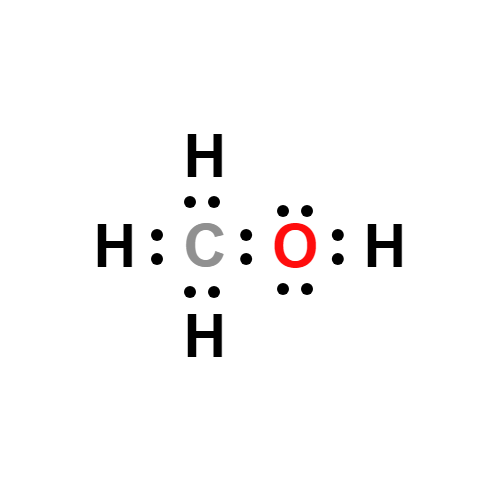
Molecular Weight:32.04MDL Number:MFCD00004595MOL File:67-56-1.molMSDS File:SDSTDS File:TDS
Last updated:2026-08-25 20:17:46
| Product description | Number | Pack Size | Price |
| Methanol histology grade | MX0490 | 4L | $111 |
| Methanol histology grade | MX0490 | 20L | $446 |
| Moisture in methanol, 93 mg/kg NIST? SRM? 8509 | NISTRM8509 | 5PKG | $764 |
| Methanol gradient grade OmniSolv? | MX0488 | 1L | $95.1 |
| Methanol histology grade | MX0490 | 200L | $1630 |
| More product size | |||
PropertiesSafetyPrice558UsesSynthesisSuppliers 924SpectrumSearch Products:
Methyl Alcohol Properties
| Melting point | -98 °C(lit.) |
|---|---|
| Melting point | -97,8°C |
| Boiling point | 64,7°C |
| Boiling point | 65.4 °C(lit.) |
| Density | 0.791 g/mL at 25 °C |
| Density | d = 0,89 |
| vapor density | 1.11 (vs air) |
| vapor pressure | 410 mm Hg ( 50 °C) |
| refractive index | n20/D 1.329(lit.) |
| Flash point | 52 °F |
| storage temp. | 2-8°C |
| solubility | benzene: miscible(lit.) |
| pka | 15.2(at 25℃) |
| form | Liquid Free From Particulates |
| Specific Gravity | 0.793 (20/20℃) |
| color | <10(APHA) |
| PH | 6.8 (20°C in H2O) |
| Flame Color | Pale blue |
| Odor | Faint alcohol odor detectable at 4 to 6000 ppm (mean = 160 ppm) |
| Relative polarity | 0.762 |
| explosive limit | 5.5-44%(V) |
| Odor Threshold | 33ppm |
| Relative density, gas (air=1) | 1.1 |
| Water Solubility | miscible |
| Thermal Conductivity | 0.2002 W/(m·K) at 25 ℃ |
| Specific Heat Capacity | Cp(liquid): 2.53 J/(g·K); Cp(gas): 1.38 J/(g·K), at 25℃ |
| λmax | λ: 210 nm Amax: 0.50 λ: 220 nm Amax: 0.30 λ: 230 nm Amax: 0.15 λ: 235 nm Amax: 0.10 λ: 240 nm Amax: 0.05 λ: 260 nm Amax: 0.01 λ: 400 nm Amax: 0.01 |
| Merck | 14,5957 |
| BRN | 1098229 |
| Henry’s Law Constant | 4.99 at 25 °C (headspace-GC, Gupta et al., 2000) |
| Dielectric constant | 33.6(20℃) |
| Exposure limits | ACGIH TLV-TWA:(200 ppm) OSHA PEL-TWA:200 ppm (260 mg/m³) NIOSH REL-TWA:200 ppm;REL-STEL:250 ppm;REL-IDLH:25,000 ppm |
| Cosmetics Ingredients Functions | SOLVENT FRAGRANCE DENATURANT |
| Cosmetic Ingredient Review (CIR) | Methanol (67-56-1) |
| InChI | 1S/CH4O/c1-2/h2H,1H3 |
| InChIKey | OKKJLVBELUTLKV-UHFFFAOYSA-N |
| SMILES | CO |
| LogP | -0.770 |
| Surface tension | 22.22mN/m at 298.15K |
| Surface tension | 22.7mN/m at 20°C |
| CAS DataBase Reference | 67-56-1(CAS DataBase Reference) |
| Substances Added to Food (formerly EAFUS) | METHYL ALCOHOL |
| REACH Annex XVII Substances List | Methanol (67-56-1) |
| FDA 21 CFR | 173.250; 173.385; 175.105;175.300; 176.180; 176.200;176.210; 177.1200; 177.2420;177.2460; 177.2800 |
| EWG’s Food Scores | 2-5 |
| NCI Dictionary of Cancer Terms | methanol; methyl alcohol |
| FDA UNII | Y4S76JWI15 |
| Proposition 65 List | Methanol |
| NIST Chemistry Reference | Methyl alcohol(67-56-1) |
| EPA Substance Registry System | Methanol (67-56-1) |
| Absorption | in accordance |
| UNSPSC Code | 41116121 |
| NACRES | NB.21 |
SAFETY
Risk and Safety Statements
| Symbol(GHS) |    GHS02,GHS06,GHS08 |
|---|---|
| Signal word | Danger |
| Hazard statements | H301+H311+H331-H319-H360-H372-H370-H335-H336-H225 |
| Precautionary statements | P501-P270-P202-P240-P260-P210-P233-P201-P243-P241-P242-P271-P264-P280-P370+P378-P337+P313-P305+P351+P338-P308+P311-P361+P364-P303+P361+P353-P301+P310+P330-P304+P340+P311-P403+P233-P403+P235-P405 |
| target organs | Eyes,Central nervous system |
| Hazard Codes | Xn,T,F |
| Risk Statements | 10-20/21/22-68/20/21/22-39/23/24/25-23/24/25-11-40-36-36/38-23/25 |
| Safety Statements | 36/37-7-45-16-24/25-23-24-26 |
| OEB | A |
| OEL | TWA: 200 ppm (260 mg/m3), STEL: 250 ppm (325 mg/m3) [skin] |
| RIDADR | UN 1230 |
| WGK Germany | 1 |
| RTECS | PC1400000 |
| F | 3-10 |
| Autoignition Temperature | 385 °C |
| TSCA | TSCA listed |
| HS Code | 2905 11 00 |
| HazardClass | 3 |
| PackingGroup | II |
| Storage Class | 3 – Flammable liquids |
| Hazard Classifications | Acute Tox. 3 Dermal Acute Tox. 3 Inhalation Acute Tox. 3 Oral Flam. Liq. 2 STOT SE 1 |
| Hazardous Substances Data | 67-56-1(Hazardous Substances Data) |
| Toxicity | LD50 oral (rat) 5628 mg/kg LD50 skin (rabbit) 15,840 mg/kg LC50 inhal (rat) >145,000 ppm (1 h) PEL (OSHA) 200 ppm (260 mg/m3) TLV-TWA (ACGIH) 200 ppm (260 mg/m3)—skin STEL (ACGIH) 250 ppm (328 mg/m3) |
| IDLA | 6,000 ppm |
| REACH Registrations | Active |
| Limited Quantities | 1.0 L (0.3 gallon) (liquid) |
| Excepted Quantities | Max Inner Pack (30g or 30ml) and Max Outer Pack (500g or 500ml) |
| NFPA 704 | 3 1 0 |
Methyl Alcohol price More Price(558)
| Manufacturer | Product number | Product description | CAS number | Packaging | Price | Updated | Buy |
|---|---|---|---|---|---|---|---|
| Sigma-Aldrich | MX0490 | Methanol histology grade | 67-56-1 | 4L | $111 | 2026-04-30 | Buy |
| Sigma-Aldrich | MX0490 | Methanol histology grade | 67-56-1 | 20L | $446 | 2026-04-30 | Buy |
| Sigma-Aldrich | NISTRM8509 | Moisture in methanol, 93 mg/kg NIST? SRM? 8509 | 67-56-1 | 5PKG | $764 | 2026-04-30 | Buy |
| Sigma-Aldrich | MX0488 | Methanol gradient grade OmniSolv? | 67-56-1 | 1L | $95.1 | 2026-04-30 | Buy |
| Sigma-Aldrich | MX0490 | Methanol histology grade | 67-56-1 | 200L | $1630 | 2026-04-30 | Buy |
Methyl Alcohol Chemical Properties, Uses, Production
Introduction
Methanol is the simplest fatty alcohol. It is a colorless, flammable, irritating liquid with a boiling point of 64.7°C, a melting point of -93.90°C, and a relative density of 0.7913. Soluble in water and most organic solvents. Its severe toxicity can damage the optic nerve. Once swallowed, it can make the eyes blind and even cause death.
Methanol has the general properties of a primary aliphatic alcohol. The three hydrogen atoms on a carbon atom with a hydroxyl group can be oxidized, orderly generating formaldehyde, formic acid, and carbon dioxide. Therefore, it is largely used in the synthesis of formaldehyde. Methanol is easily converted into important organic synthesis intermediates such as methyl carboxylate, methyl chloride and methylamine, and it is also applied as important organic solvents, extraction agents and alcohol denaturants.
Chemical Properties
Methanol is a clear, colorless liquid with a characteristic pungent odor (NTP NIEHS web accessed 2/16/2013). The air odor threshold has been reported as 1500 ppm (approximately 2000mg/m3), much higher than the occupational guidelines.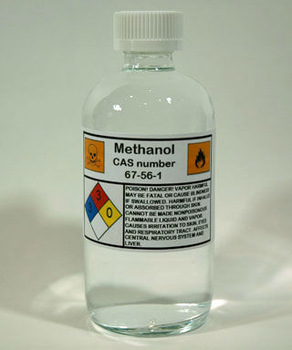
Methanol (methyl alcohol; wood alcohol) is used extensively as a solvent for lacquers, paints, varnishes, cements, inks, dyes, plastics, and various industrial coatings. Large quantities are used in the production of formaldehyde and other chemical derivatives such as acetic acid, methyl halides and terephthalate, methyl methacrylate, and methylamines. Methanol is also used as a gasoline additive, as a component of lacquer thinners, in antifreeze preparations of the “nonpermanent” type, and in canned heating preparations of jellied alcohol. It is also used in duplicating fluid, in paint removers, and as a cleaning agent. The potential for methanol as a future alternative for gasoline indicates that the use of this chemical will most likely increase rather than decrease. At room temperature, methanol is a colorless liquid with a pungent odor. It is relatively volatile, with a vapor pressure of 96 mmHg and a vapor density of 1.11. It is miscible with water and soluble with other organic solvents. It is found in nature as a fermentation product of wood and as a constituent of some fruits and vegetables.
Uses
Methanol is an important chemical raw material for fine chemicals. Its carbonylation at 3.5 MPa and 180-200° C in the presence of catalyst can produce acetic acid and further produce acetic anhydride. It reacts with syngas to prepare vinyl acetate in the presence of catalyst; reacts with isobutylene to produce tert-butyl methyl ether; prepare dimethyl oxalate through oxidization and carbonylation, and a further hydrogenation to produce ethylene glycol; reacts with toluene under catalyst and simultaneous oxidization to produce phenylethyl alcohol. It can be used as a good solvent, as a pesticide raw material, as an antifreeze agent, as a fuel and fuel additive (this is receiving increasing attention in environmental protection field). It is the main raw material in the preparation of formaldehyde, the raw material in medicine and spices production, a solvent in dyes and paint industries, the raw material in preparation of methanol single cell protein and synthesis of methyl ester.
Industry
Applications
Role/Benefit
Laboratory
HPLC, UV/VIS spectroscopy, and LCMS
Low UV cutoff
Chemical manufacture
Production of formaldehyde and its derivates
Main feedstock
Production of hydrocarbon chains and even aromatic systems
Main feedstock
Production of methyl tert-butyl ether
Methylation reagent
Production of dimethyl terephthalic acid, methyl methacrylate and acrylic acid methyl ester
Main feedstock
Plastics
Production of polymers
Main feedstock
Farm chemical
Production of insecticide and acaricide
Main feedstock
Pharmaceuticals
Production of sulfonamides, amycin, etc
Main feedstock
Fuel for vehicles
Pure methanol fuel
Pure methanol does not produce an opaque cloud of smoke in the event of an accident
Methanol gasoline
Blended directly into gasoline to produce a high-octane, efficient fuel with lower emissions than conventional gasoline
Chemical analysis
Determination of boron
Analysis agent
Determination of trace moisture in alcohols, saturated hydrocarbons, benzene, chloroform, pyridine
Analysis agent
Others
Separation of calcium sulfate and magnesium sulfate
Separation reagent
Separation of strontium bromide and barium bromide
Separation reagent
Anti-freezing agent
Effective component
Methanol poisoning and First Aid Measures
Pathogenesis
First, methanol has a cumulative effect and is oxidized in the body into more toxic formaldehyde and formic acid. Methanol and its oxides directly damage the tissues, causing cerebral edema, meningeal hemorrhage, optic nerve and retinal atrophy, pulmonary congestion and edema, and hepatic and renal turbid swelling.
Second, methanol and its oxides cause blood circulation disorder, coenzyme system obstacles in vivo, resulting in lack of oxygen supply to the brain cortical cells, metabolic disorders, and related neurological and psychiatric symptoms.
Third, methanol oxidation products combine with the iron in the cytochrome oxidase, which inhibits the intracellular oxidation process thus causing metabolic disorders, acidosis along with organic acid accumulation in the body, and nerve cells impair.
Treatment
- Keep away from the methanol dispersion area, excrete methanol from the body.
Antidote: Ethanol is an antidote to methanol poisoning. Ethanol can prevent methanol’s oxidation and promote its emission. Prepare 5% ethanol solution using 10% glucose solution, and drip slowly intravenously. - Maintain electrolyte balance: maintain respiratory and circulatory function, provide with a large number of Vitamin B.
Treatment of acidosis: Administrate timely sodium bicarbonate solution or sodium lactate solution based on blood gas analysis, carbon dioxide binding force measurement and clinical performance. - Prevent cerebral edemas actively, reduce intracranial pressure, improve fundus blood circulation, and prevent optic neuropathy if needed.
- Inject intravenously cytochrome C, polar fluid to restore cytochrome oxidase function.
- Control mental state by applying diazepam, perphenazine and the like.
Symptoms and treatments:
Acute pain
morphine, pethidine
Convulsions
phenobarbital, amimystrine, diazepam
Coma
caffeine sodium benzoate
Respiratory failure
nikethamide, theophylline
Reactivities of Methanol
Methanol is the simplest aliphatic alcohol. It contains only one carbon atom. Unlike higher alcohols, it cannot form an olefin through dehydration. However, it can undergo other typical reactions of aliphatic alcohols involving cleavage of a C-H bond or O-H bond and displacement of the -OH group. Table 1 summarizes the reactions of methanol, which are classified in terms of their mechanisms. Examples of the reactions and products are given.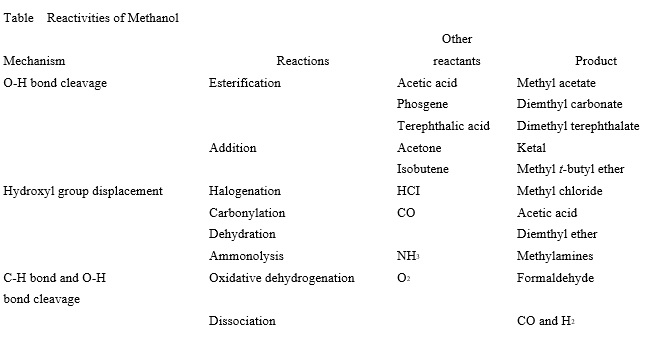
Homolytic dissociation energies of the C-O and O-H bonds in methanol are relatively high. Catalysts are often used to activate the bonds and to increase the selectivity to desired products.
Production
Methanol is prepared by pressure heating with carbon monoxide and hydrogen in the presence of a catalyst:
If the conditions are strictly controlled, the yield can reach 100% and the purity can reach 99%. Methane is mixed with oxygen (9:1, V/V) and methanol is obtained through a copper tube under heating and pressure:
Toxicity evaluation
ADI is limited to GMP (FAO/WHO, 2001).
Toxic, can cause blindness.
LD50: 5628 mg/kg (rat, oral).
Measurement
Date
System
Route/Organism
Dose
Effect
Skin and Eye Irritation
December 2016
eye /rabbit
40 mg
moderate
Skin and Eye Irritation
December 2016
eye /rabbit
100 mg/24H
moderate
Skin and Eye Irritation
December 2016
skin /rabbit
20 mg/24H
moderate
Mutation Data
December 2016
Cytogenetic Analysis
parenteral/grasshopper
3000 ppm
Mutation Data
December 2016
Cytogenetic Analysis
oral/mouse
1 gm/kg
Mutation Data
December 2016
Cytogenetic Analysis
intraperitoneal/mouse
75 mg/kg
Mutation Data
December 2016
DNA Damage
oral/rat
10 µmol/kg
Mutation Data
December 2016
DNA inhibition
lymphocyte/human
300 mmol/L
Mutation Data
December 2016
DNA repair
/Escherichia coli
20 mg/well
Mutation Data
December 2016
morphological transform
fibroblast/mouse
0.01 mg/L/21D (-enzymatic activation step)
from The National Institute for Occupational Safety and Health – NIOSH
Methanol gasoline
Methanol gasoline refers to the M series mixture fuel made of addition of methanol to the gasoline and formulated using methanol fuel solvent. Among them, M15 (add 15% methanol in gasoline) clean methanol gasoline is used as vehicle fuel, respectively, used in a variety of gasoline engines. It can be applied to substitute the finished gasoline without changing the existing engine structure, and can also be mixed with refined oil. The methanol mixed fuel has excellent thermal efficiency, power, start-up and being economical. It is also characterized by lowering the emissions, saving oil and being safe and convenient. Methanol gasoline types of M35, M15, M20, M50, N85 and M100 with different blend ratios have been developed around the world according to the conditions of different countries. At present, the commercial methanol is mainly M85 (85% methanol + 15% gasoline) and M100 with M100 performance being better than M85 and having greater environmental advantages.
Description
Methyl alcohol, also known as methanol or wood alcohol, is a clear, colorless, flammable liquid that is the simplest alcohol.
World production of methanol is approximately 8.5 billion gallons annually. Methanol is produced industrially, starting with the production of synthesis gas or syngas. Syngas used in the production of methyl alcohol is a mixture of carbon monoxide and hydrogen formed when natural gas reacts with steam or oxygen. Methyl alcohol is then synthesized from carbon monoxide and hydrogen.
Methyl alcohol is poisonous and is commonly used to denature ethyl alcohol. Methanol poisoning results from ingestion, inhalation of methanol vapors, or absorption through the skin. Methanol is transformed in the body to formaldehyde (H2CO) by the enzyme alcohol dehydrogenase.The formaldehyde is then metabolized to formic acid (HCOOH)by aldehyde dehydrogenase.
Chemical Properties
Methanol is a clear, water-white liquid with a mild odor at ambient temperatures.The air odor threshold for methanol has been reported as 100 ppm . Others have reported that 2000 or 5900 ppm methanol is barely detectable .
Physical properties
Clear, colorless liquid with a characteristic alcoholic odor. Odor threshold concentrations ranged from 8.5 ppbv (Nagata and Takeuchi, 1990) to 100.0 ppmv (Leonardos et al., 1969). Experimentally determined detection and recognition odor threshold concentrations were 5.5 mg/m3 (4.2 ppmv) and 69 mg/m3 (53 ppmv), respectively (Hellman and Small, 1974).
History
It was first isolated in 1661 by the Irish chemist Robert Boyle (1627–1691) who prepared it by the destructive distillation of boxwood, giving it the name spirit of box, and the name wood alcohol is still used for methyl alcohol. Methyl alcohol is also called pyroxylic spirit; pyroxylic is a general term meaning distilled from wood and indicates that methyl alcohol is formed during pyrolysis of wood. The common name was derived in the mid-1800s. The name methyl denotes the single carbon alkane methane in which a hydrogen atom has been removed to give the methyl radical. The word alcohol is derived from Arabic al kuhul.
Uses
Methanol has numerous uses. Its main use is in the production of formaldehyde, whichconsumes approximately 40% of methanol supplies. Methanolis a common organic solvent found in many products including deicers (windshield wiperfl uid), antifreezes, correction fl uid, fuel additives, paints, and other coatings. A number ofindustrial chemicals use methanol in their production. Among these are methyl methacrylateand dimethyl terephthalate. Methanol is used to convert methylacrylamide sulfate to methylmethacrylate and ammonium hydrogen sulfate (NH4HSO4):
Methanol is used in making the ester dimethyl terephthalate from mixtures ofxylene of toluene. Dimethyl terephthalate is used in the manufacture of polyesters and plastics.
Methanol is used as a fuel additive. The common gasoline additive HEET is pure methanoland is used as a gas-line antifreeze and water remover. Methanol is used as a fuel in camp stoves and small heating devices. It is used to fuel the small engines used in models (airplanes,boats). In the early history of automobiles,methanol was a common fuel. The availability of cheap gasoline replaced methanol in the1920s, but it is receiving renewed interest as an alternative fuel as the demand and cost of oilincrease and oil supplies become uncertain. Methanol can be produced from coal and biomass.Methanol has a higher octane rating and generally lower pollutant emissions compared togasoline. The relatively low flame temperature means that fewer nitrogen oxides are producedby methanol than by ethanol. One large disadvantage of methanol is that it has a lower energydensity than gasoline. Using equivalent volumes of gasoline and methanol, methanol givesabout half the mileage of gasoline. Another problem with methanol is its low vapor pressure,resulting in starting problems on cold days. This problem can be mitigated by using a blendof 85% methanol and 15% gasoline. This mixture is called M85 and is similar to E85 ethanol(see Ethyl Alcohol).
Uses
high purity grade for ICP-MS detection
Uses
Methanol is used in the production offormaldehyde, acetic acid, methyl tert-butylether, and many chemical intermediates; asan octane improver (in oxinol); and as apossible alternative to diesel fuel; being anexcellent polar solvent, it is widely used as acommon laboratory chemical and as a methylating reagent.
Uses
Methylalcohol, CH30H, also known as methanol or wood alcohol, is a colorless, toxic, flammable liquid with a boiling point of 64.6 °C(147 °F). The principal toxic effect is on the nervous system,particularly the retinae. Methyl alcoholis miscible in all proportions with water,ethyl alcohol, and ether. It burns with a light blue flame producing water and carbon dioxide. This vapor forms an explosive mixture(6.0 to 36.5% by volume) with air. Methyl alcohol is an important inexpensive raw material that is synthetically produced for the organic chemical industry. Nearly half of the methyl alcohol manufactured is used in the production of formaldehyde. Other uses of methyl alcohol are as an antifreeze and fuel for automobiles and as an intermediate in the production of synthetic protein.
Uses
Industrial solvent. Raw material for making formaldehyde and methyl esters of organic and inorganic acids. Antifreeze for automotive radiators and air brakes; ingredient of gasoline and diesel oil antifreezes. Octane booster in gasoline. As fuel for picnic stoves and soldering torches. Extractant for animal and vegetable oils. To denature ethanol. Softening agent for pyroxylin plastics. Solvent and solvent adjuvant for polymers. Solvent in the manufacture of cholesterol, streptomycin, vitamins, hormones, and other pharmaceuticals.
Definition
ChEBI: Methanol is the primary alcohol that is the simplest aliphatic alcohol, comprising a methyl and an alcohol group. It has a role as an amphiprotic solvent, a fuel, a human metabolite, an Escherichia coli metabolite, a mouse metabolite and a Mycoplasma genitalium metabolite. It is an alkyl alcohol, a one-carbon compound, a volatile organic compound and a primary alcohol. It is a conjugate acid of a methoxide.
Production Methods
Modern industrial-scale methanol production is exclusively based on synthesis from pressurized mixtures of hydrogen, carbon monoxide, and carbon dioxide gases in the presence of catalysts. Based on production volume, methanol has become one of the largest commodity chemicals produced in the world.
Reactions
Methyl alcohol is a versatile material, reacting (1) with sodium metal, forming sodium methylate, sodium methoxide CH3ONa plus hydrogen gas, (2) with phosphorus chloride, bromide, iodide, forming methyl chloride, bromide, iodide, respectively, (3) with H2SO4 concentrated, forming dimethyl ether (CH3)2O, (4) with organic acids, warmed in the presence of H2SO4, forming esters, e.g., methyl acetate CH3COOCH3, [CAS: 79-20-9], methyl salicylate C6H4(OH)·COOCH3, possessing characteristic odors, (5) with magnesium methyl iodide in anhydrous ether (Grignard’s solution), forming methane as in the case of primary alcohols, (6) with calcium chloride, forming a solid addition compound 4CH3OH·CaCl2, which is decomposed by H2O, (7) with oxygen, in the presence of heated smooth copper or silver forming formaldehyde. The density of pure methyl alcohol is 0.792 at 20 °C compared with H2O at 4 °C (the corresponding figure for ethyl alcohol is 0.789), and the percentage of methyl alcohol present in a methyl alcohol-water solution may be determined from the density of the sample.
World Health Organization (WHO)
Methanol has been subjected to abuse by consumption as a substitute for ethanol. Its toxic metabolites cause irreversible blindness and severe metabolic acidosis, and are ultimately fatal. Methanol continues to be used as an industrial solvent.
General Description
A colorless fairly volatile liquid with a faintly sweet pungent odor like that of ethyl alcohol. Completely mixes with water. The vapors are slightly heavier than air and may travel some distance to a source of ignition and flash back. Any accumulation of vapors in confined spaces, such as buildings or sewers, may explode if ignited. Used to make chemicals, to remove water from automotive and aviation fuels, as a solvent for paints and plastics, and as an ingredient in a wide variety of products.
Reactivity Profile
Methanol reacts violently with acetyl bromide [Merck 11th ed. 1989]. Mixtures with concentrated sulfuric acid and concentrated hydrogen peroxide can cause explosions. Reacts with hypochlorous acid either in water solution or mixed water/carbon tetrachloride solution to give methyl hypochlorite, which decomposes in the cold and may explode on exposure to sunlight or heat. Gives the same product with chlorine. Can react explosively with isocyanates under basic conditions. The presence of an inert solvent mitigates this reaction [Wischmeyer 1969]. A violent exothermic reaction occurred between methyl alcohol and bromine in a mixing cylinder [MCA Case History 1863. 1972]. A flask of anhydrous lead perchlorate dissolved in Methanol exploded when Methanol was disturbed [J. Am. Chem. Soc. 52:2391. 1930]. P4O6 reacts violently with Methanol. (Thorpe, T. E. et al., J. Chem. Soc., 1890, 57, 569-573). Ethanol or Methanol can ignite on contact with a platinum-black catalyst. (Urben 1794).
Hazard
Flammable, dangerous fire risk. Explosive limits in air 6–36.5% by volume. Toxic by ingestion (causes blindness). Headache, eye damage, dizziness, and nausea.
Health Hazard
The acute toxicity of methanol by ingestion, inhalation, and skin contact is low. Ingestion of methanol or inhalation of high concentrations can produce headache, drowsiness, blurred vision, nausea, vomiting, blindness, and death. In humans, 60 to 250 mL is reported to be a lethal dose. Prolonged or repeated skin contact can cause irritation and inflammation; methanol can be absorbed through the skin in toxic amounts. Contact of methanol with the eyes can cause irritation and burns. Methanol is not considered to have adequate warning properties.
Methanol has not been found to be carcinogenic in humans. Information available is insufficient to characterize the reproductive hazard presented by methanol. In animal tests, the compound produced developmental effects only at levels that were maternally toxic; hence, it is not considered to be a highly significant hazard to the fetus. Tests in bacterial or mammalian cell cultures demonstrate no mutagenic activity
Discover Aure Chemical’s Premium Methanol Supply
Aure Chemical is a leading global supplier of high-quality Methanol, also widely known as Methyl Alcohol or historically as Wood Alcohol. This fundamental chemical is one of the most versatile and widely used organic building blocks globally, serving as a critical feedstock and solvent across numerous industries. We are committed to delivering Methanol with exceptional purity and a consistent, reliable supply chain.
Basic Information of Methanol
Methanol (CAS No. 67-56-1) is the simplest alcohol, a cornerstone of the chemical industry. Its unique chemical properties make it an indispensable compound, from energy applications to the production of a vast array of everyday materials.
| CAS No.: | 67-56-1 |
|---|---|
| EC No.: | 200-659-6 |
| Linear Formula: | CH₄O |
| Molecular Weight: | 32.04 |
| Appearance: | Transparent Liquid |
| Melting Point: | -98 °C(lit.) |
| Boiling point | 65.4 °C(lit.) |
| Density: | 0.791 g/mL at 25 °C |
| RIDADR: | UN 1230 3/PG 2 |
| Chemical Structure: | 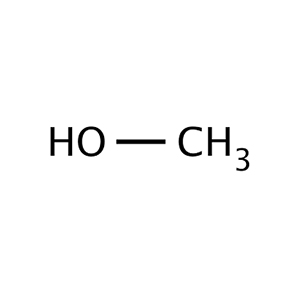 |
Key Applications of Methanol (Methyl Alcohol)
Methanol’s reactivity and properties make it an invaluable compound across diverse sectors:
- Formaldehyde Production: The largest single use of methanol is in the production of formaldehyde, which is then used to make resins (like urea-formaldehyde, melamine-formaldehyde, and phenol-formaldehyde) for adhesives, plastics, and coatings.
- Methanol to Olefins/Propylene (MTO/MTP): A growing application where methanol is converted into light olefins such as ethylene and propylene, which are fundamental building blocks for plastics.
- Fuels and Energy: Methanol is gaining importance as a clean-burning fuel or fuel additive (e.g., in marine fuel, biodiesel, and as a component in gasoline blending). It’s also used to produce MTBE (Methyl Tert-Butyl Ether), an octane enhancer (though its use is declining in some regions).
- Solvent: Its excellent solvency makes it a widely used solvent in various industrial processes, including paint strippers, cleaning solutions, and chemical reactions.
- Chemical Intermediate: A crucial feedstock for the production of numerous other chemicals, including acetic acid, methyl tertiary-butyl ether (MTBE), methyl methacrylate (MMA), and various methylamines.
- Antifreeze: Used in some antifreeze formulations for vehicles and pipelines.
Aure Chemical: Your Reliable Methanol Partner
Partnering with Aure Chemical for your Methanol supply means benefiting from:
- High Purity and Consistent Quality: Ensuring optimal performance and yield in your chemical processes.
- Robust Global Supply Chain: Our extensive logistics network guarantees efficient and secure supply in bulk of Methanol to your facilities worldwide.
- Commitment to Safety & Compliance: We adhere to the highest safety standards for the handling, storage, and transportation of this highly flammable and toxic liquid, providing comprehensive Safety Data Sheets (SDS) and necessary dangerous goods documentation.
- Dedicated Customer Support: Our knowledgeable team is always available to provide technical insights and assist with your ordering and logistical requirements.
- Large-Volume Capabilities: We can meet your extensive methanol demands with reliable and timely deliveries.
Hazards Classification
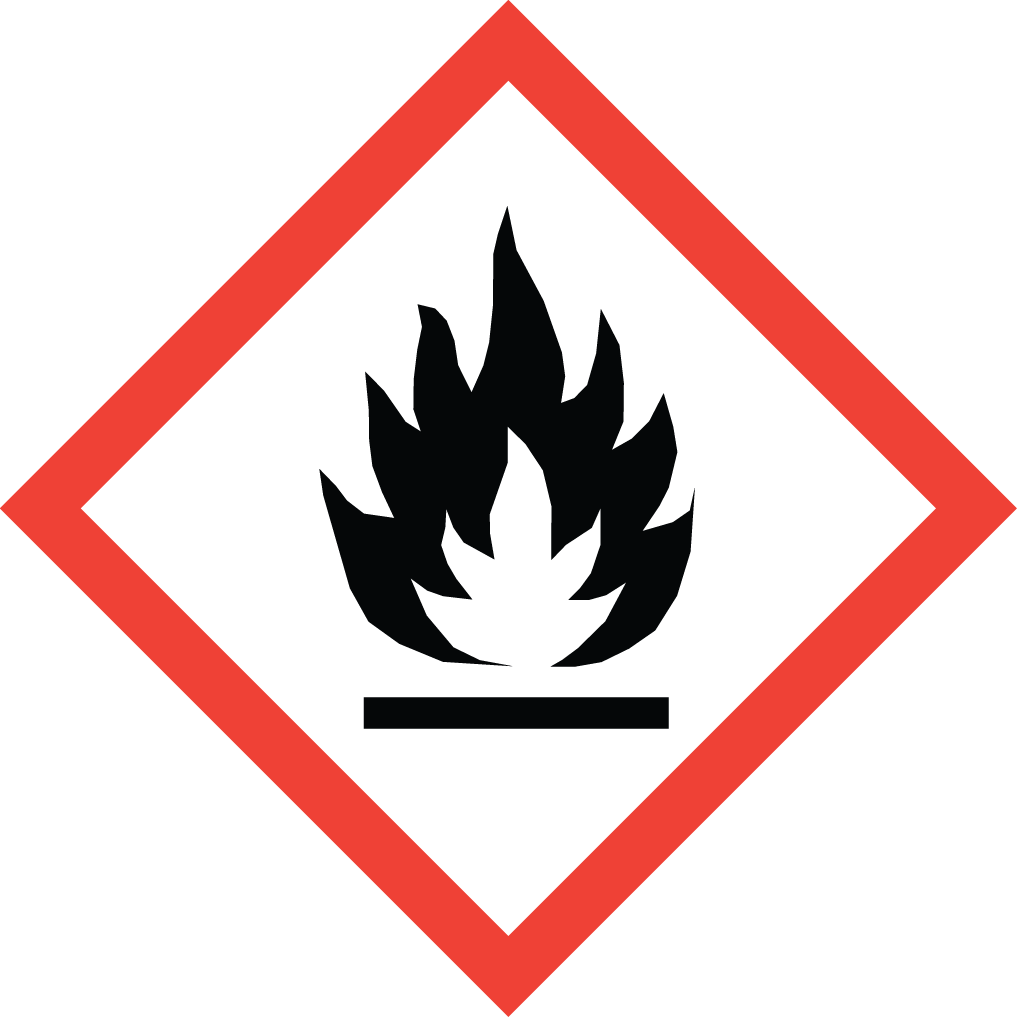
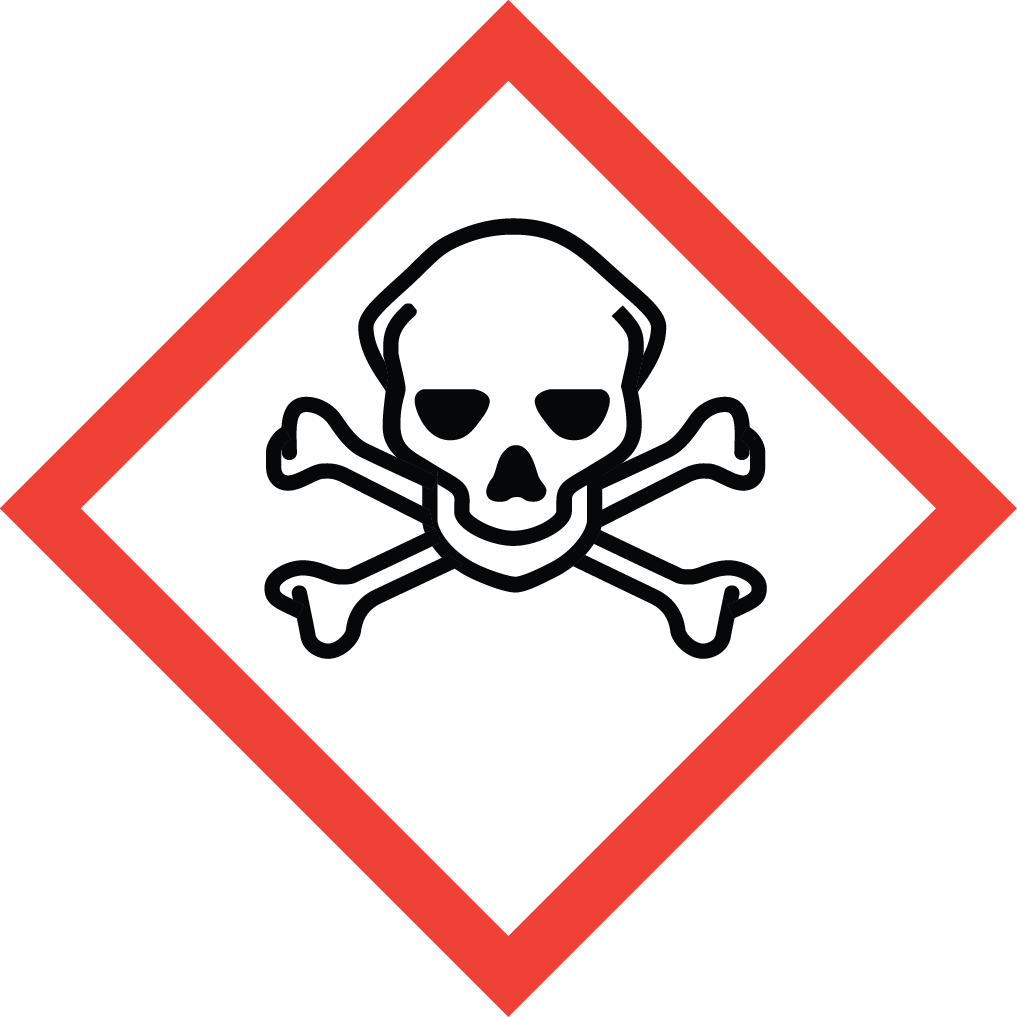
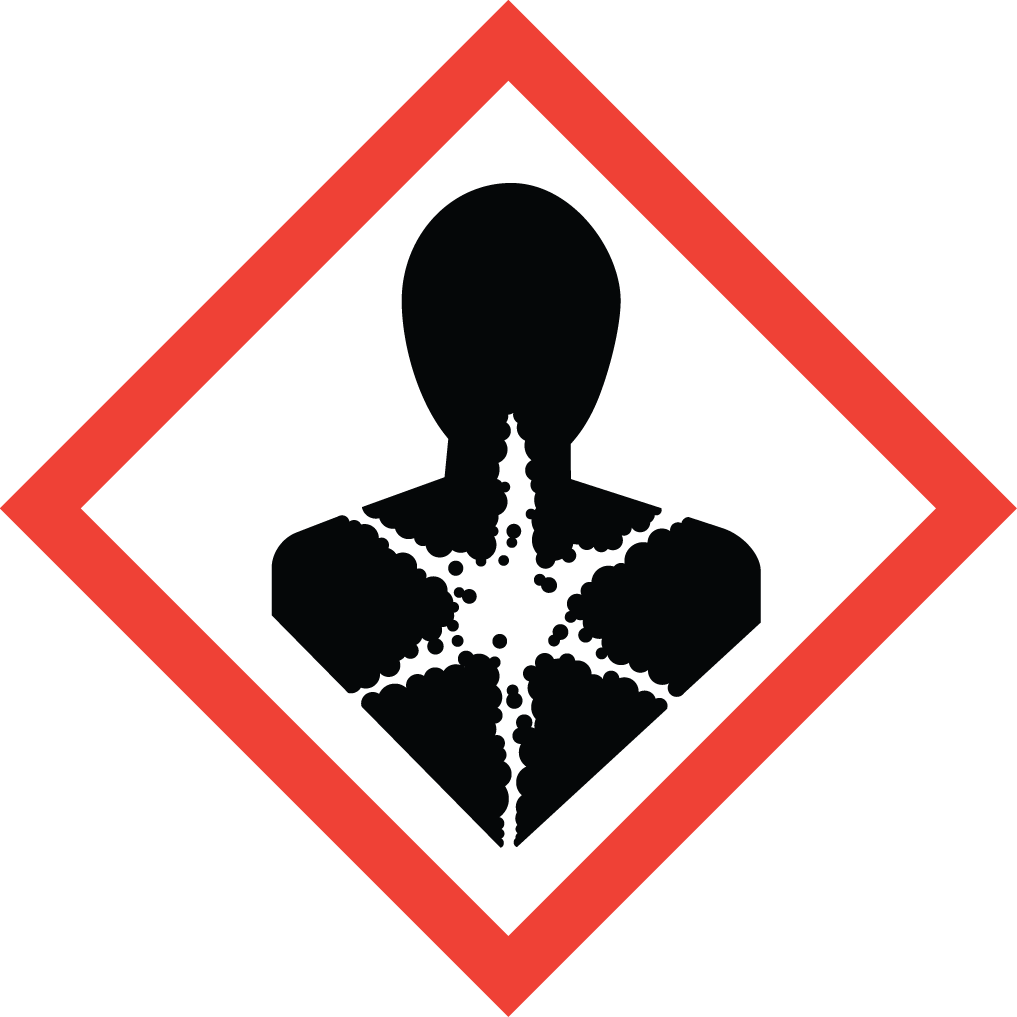
- GHS Classification: Flammable Liquid (GHS02), Acute Toxicity (GHS06), Health Hazard (GHS08)
- Hazard Statements: Highly flammable liquid and vapor; fatal if swallowed, in contact with skin, or if inhaled; causes damage to organs (optic nerve, liver, kidney); may cause drowsiness or dizziness.
- UN Number: UN 1230
- Hazard Class: 3 (Flammable Liquids)
- Packing Group: II
Packaging, Logistics & Compliance Capabilities
Aure Chemical provides flexible packaging solutions, compliant logistics arrangements, and controlled storage practices to support laboratory-scale, pilot-scale, and commercial-scale global supply.
Packaging Options
- 25 kg / 50 kg bags (fiber drum, aluminum bag, HDPE drum)
- 100 kg / 200 kg steel or HDPE drums
- 500 kg / 1000 kg IBC containers
- Bulk liquids in ISO tank containers
- Customized packaging upon request
Transportation Modes
- Sea freight (FCL / LCL)
- Air freight for selected products
- Road and rail transportation
- Dangerous & non-dangerous cargo handling
- Incoterms: EXW, FOB, CFR, CIF, DAP, DDP
Storage & Handling
- Dry, cool, and well-ventilated warehouses
- Segregation by hazard class
- FIFO inventory management
- Temperature-controlled storage if required
- Regular inspection & labeling control
Documentation & Compliance
- Safety Data Sheet (SDS)
- Certificate of Analysis (COA)
- Dangerous Goods Declaration (DGD)
- Packing List & Commercial Invoice
- IMDG / IATA / ADR compliant labeling
CAS number: 67-56-1
EC Number: 200-659-6
Chemical formula: CH4O; CH3OH
ADR: Yes
Physical form: Colourless Liquid
Available packaging: 200 L drums; 1,000 L IBC containers
Other names: Methyl Alcohol; Wood Spirit; Wood Alcohol; Carbinol; Hydroxymethane
Methyl Alcohol (Methanol) – Summary
Methyl alcohol (methanol) is a colourless, volatile chemical raw material with a simple molecular structure, widely used in modern industrial chemistry. As a C1 feedstock, it is used in the production of formaldehyde, formic acid, acetic acid, and numerous resins, adhesives, plastics and household chemical products. At Centro-chem, methanol is available in standard industrial packaging, including 200-litre drums and 1,000-litre IBC containers.
I consent to receiving commercial information in the future to the e-mail address provided, including information about the offer of Centro-chem sp. z o.o. sp.k., based in Turka, and to the processing of my personal data for this purpose.Alternative:
Where to Buy Methyl Alcohol?
Wybór dostawcy
Szukasz dostawcy alkoholu metylowego? Zamów metanol w Centro-chem – dystrybutora surowców chemicznych z doświadczeniem na rynku od 1998 roku. Metanol znajduje się w naszej stałej ofercie. Jest dostępny w opakowaniach hurtowych.
Why Buy Methyl Alcohol from Centro-chem?
- Safe handling of ADR-regulated raw materials – methanol requires appropriate procedures for storage, transport and documentation. At Centro-chem, we rely on our own fleet and extensive experience in handling raw materials subject to ADR requirements.
- Packaging matched to order size – we supply methyl alcohol in 200-litre drums and 1,000-litre IBC containers, allowing customers to choose a format that suits their consumption level, usage frequency and warehouse organisation.
- Fast availability confirmation – we quickly verify current supply options, packaging formats, lead times and required documentation.
- Reduced procurement risk – our own warehousing facilities, experience in import and distribution, and well-organised logistics processes help ensure greater supply predictability.
- Complete product documentation – each order includes access to the required quality and transport documentation relevant to the procurement of chemical raw materials.
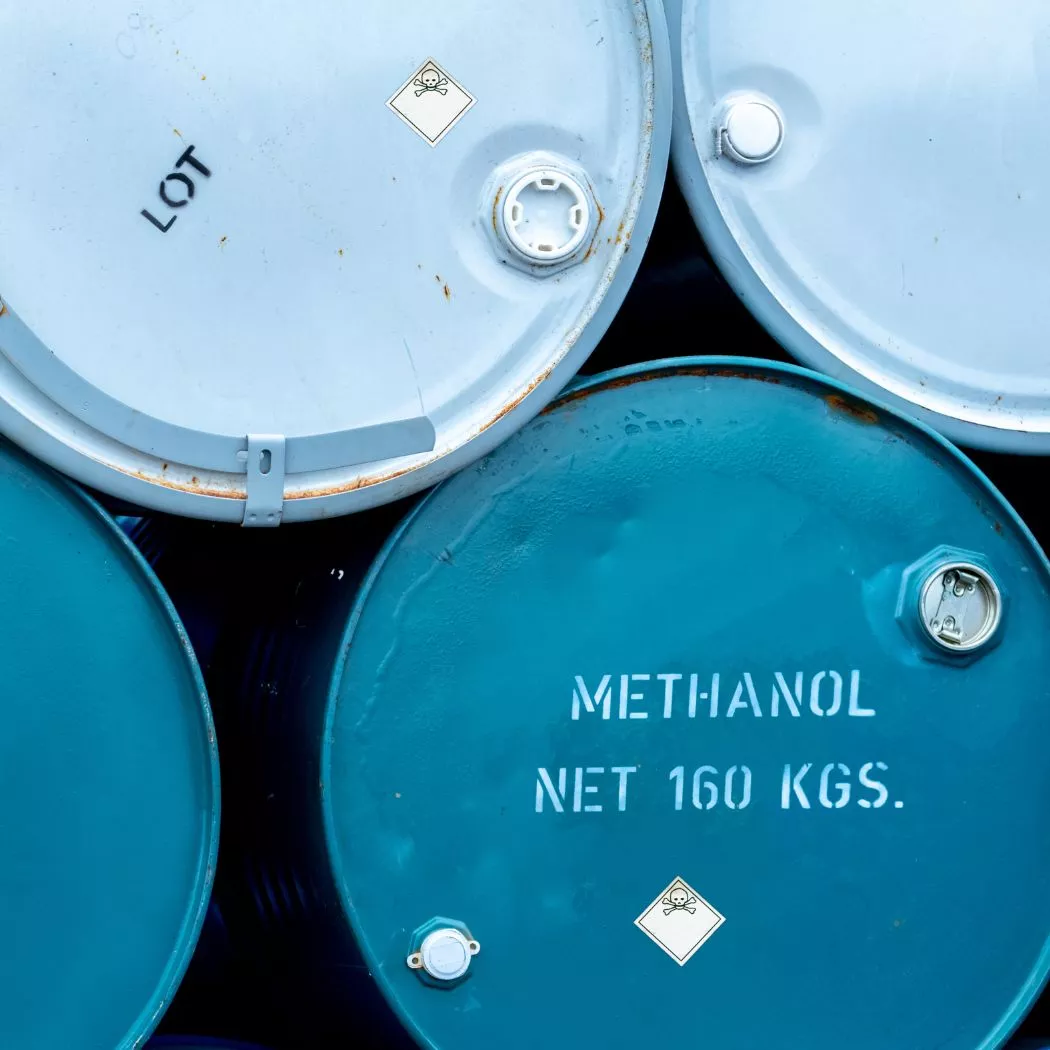
What Is Methyl Alcohol?
Basic Characteristics of the Raw Material
Methanol, or methyl alcohol, also known as synthetic methanol, is an organic chemical compound with the formula CH₃OH. It belongs to the group of monohydric alcohols and is the simplest aliphatic alcohol in terms of molecular structure.
It is an important raw material for manufacturing companies, used among other applications as a technical solvent, an intermediate for further chemical synthesis and a component of industrial formulations. At Centro-chem, we supply methyl alcohol to customers looking for a reliable supplier, consistent product quality and efficient order fulfilment.
Properties of Methanol
Solubility, Volatility and Combustion Characteristics
The properties of methanol account for its widespread use in the chemical and technical industries. It is a colourless liquid with a characteristic pungent odour. Methanol is completely miscible with water, with a boiling point of 64.7°C, a melting point of -97.6°C and a density of approximately 0.79 g/cm³. It is also highly volatile. In the presence of oxygen, it burns with an almost invisible, pale blue flame.
Methyl Alcohol – an Industrial Solvent
The Most Common Application of Methanol
Methyl alcohol is widely used as a solvent due to its chemical structure. The hydroxyl group allows it to mix readily with water and other polar substances, while its small organic moiety enables it to dissolve many organic compounds. In this role, methanol is used in applications such as:
- paint and coating production – as a component of selected technical formulations;
- adhesive and resin production – as an auxiliary solvent in manufacturing processes;
- dye and technical formulation production – as a component that helps disperse selected substances throughout a mixture.

Use of Methanol in Chemical Synthesis
Feedstock for Formaldehyde and Other Chemicals
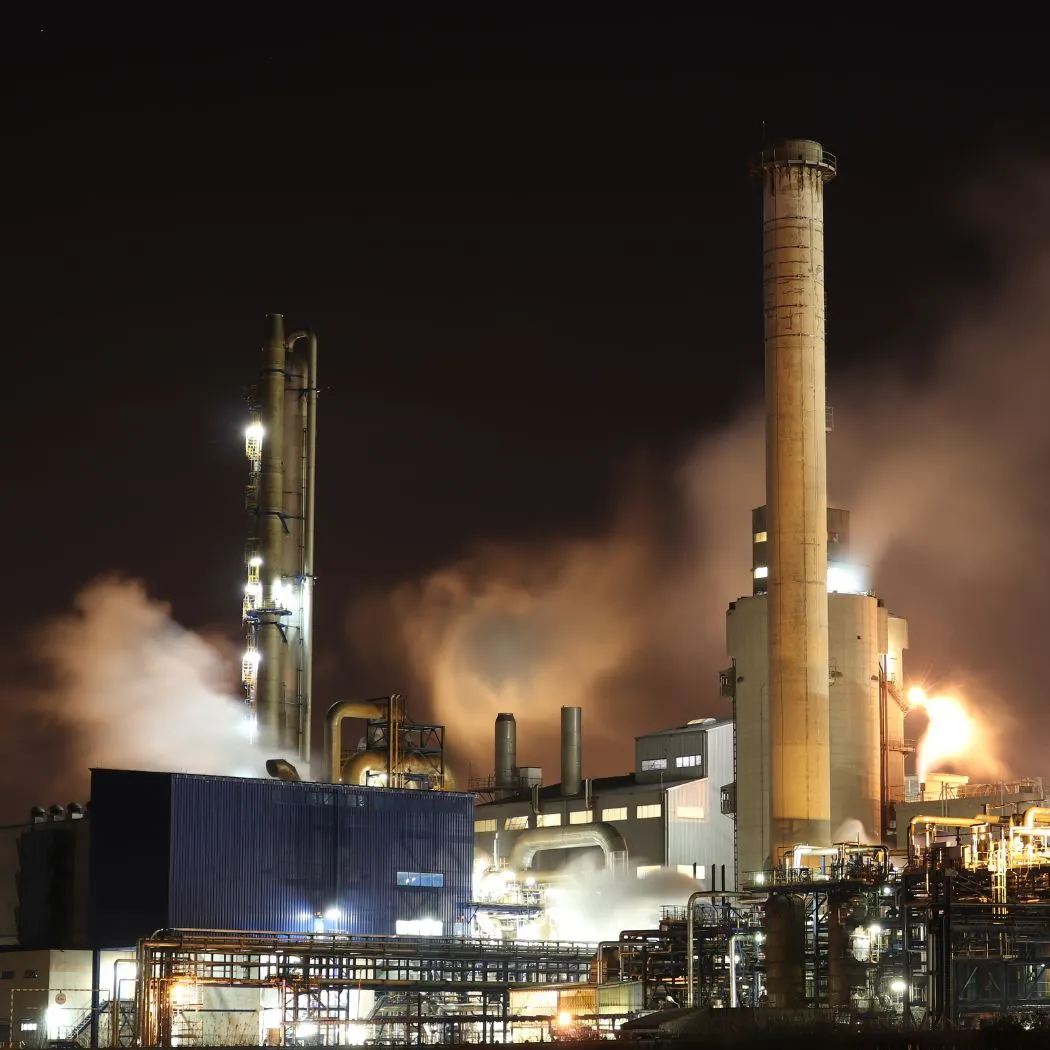
Methanol is a key raw material in the chemical industry for the synthesis of many important organic compounds. It is used in the production of formaldehyde, which is further processed into synthetic resins, plastics, and components for paints and coatings. Methanol is also used in the production of acetic acid and formic acid, both of which are widely used in laboratories and industrial applications.
Fuel and Energy Industry
Fuel Additive
Methanol is becoming increasingly important in the energy sector and fuel technologies. Due to its high octane rating, it can be used as a fuel or fuel component, including in selected engine applications, boilers, industrial furnaces and energy technologies based on the combustion of liquid energy carriers.
Methanol is also gaining importance in maritime transport. In particular, biomethanol and e-methanol are being considered as alternatives to conventional marine fuels because they can help reduce emissions in sectors that are difficult to electrify.
Methanol in Household Chemicals and the Pharmaceutical Industry
Other Applications
Beyond heavy industry, methanol is also used in selected technological and laboratory processes, as well as in technical formulations.
- Methanol is used in household and technical chemicals as a solvent and degreasing agent, including in cleaning fluids, windscreen washer fluids and antifreeze products.
- In the pharmaceutical industry, it may be used as a process solvent or auxiliary reagent in controlled production stages and laboratory work.
At Centro-chem, you can source methyl alcohol for a wide range of applications, along with hundreds of other chemical raw materials for industry. For nearly 30 years, we have supported procurement teams by providing reliable access to the raw materials they need for day-to-day operations.
Methyl Alcohol – FAQ
What Packaging Sizes Is Methyl Alcohol Available In?
Methyl alcohol is available from Centro-chem in 200-litre drums and 1,000-litre IBC containers. Depending on current availability and customer requirements, smaller packaging options, such as canisters, may also be available.
Is Methyl Alcohol Subject to ADR Regulations?
Yes, methyl alcohol is subject to ADR requirements. At Centro-chem, deliveries are supported by our own fleet and a team of drivers experienced in transporting this type of hazardous material.
How Should Methanol Be Stored?
Methanol should always be stored in accordance with the current product Safety Data Sheet (SDS). Basic storage requirements include keeping it in tightly closed containers in a well-ventilated area, away from heat sources, hot surfaces, open flames and sources of ignition. Due to its volatility and flammability, appropriate safety procedures and workplace-specific protective measures should be followed.
See similar chemical raw materials
Methyl Salicylate
Synonyms: Methyl 2-hydroksybenzoate
Methylsulfonylmethane MSM
Synonyms: Dimethyl Sulfone; Sulfonylbismethane; DMSO2
Methyl Isobutyl ketone MIBK
Synonyms: Methyl Isobutyl Ketone; 4-methylpentan-2-one; 4-methyl-2-pentanone; Isopropylacetone
- Methyl Alcohol | 67-56-1 – ChemicalBookAug 25, 2026 · Methyl Alcohol (CAS 67-56-1) information, including chemical …
- Boiling point: 64,7°C
- Melting point: 98 °C (lit.)
- Buy Methanol Online | CAS 67-56-1 | Aure ChemicalDiscover high-purity Methanol (CAS No. 67-56-1) from Aure Chemical, a leading supplier of this versatile alcohol (CH₄O). Ideal for …Methanol | 67-56-1 – ChemicalBookAug 25, 2026 · Methyl alcohol, also known as methanol or wood alcohol, is a clear, colorless, flammable liquid that is the simplest …
- Boiling point: 64,7°C
- Melting point: 98 °C (lit.)
- Methanol – Methyl alcohol – MilliporeSigmaCAS 67-56-1. Molecular Weight 32.04. Browse Methanol and related products at MilliporeSigma.
- Methyl Alcohol (Methanol) | CAS 67-56-1 | Wholesale distribution …At Centro-chem, you can source methyl alcohol for a wide range of applications, along with hundreds of other chemical raw materials …
- Methanol, ACS Reagent Grade (CAS 67-56-1) | RC …Buy Methanol, ACS Reagent Grade (CAS 67-56-1) at ≥99.8% purity. Available in …Methanol (CAS 67-56-1) | Glentham Life SciencesBuy GX5097 – Methanol (67-56-1) online from Glentham Life Sciences, a manufacturer and supplier of fine chemicals. View …
- Sigma Aldrich Fine Chemicals Biosciences Methanol, 67-56-1 …Linear Formula: CH3OH, Molecular Weight: 32.04, for HPLC, ≥99.9%, Synonym: Methyl alcohol. Methanol can be used as a mobile …
- Methanol HPLC | CAS 67-56-1 | Dawn ScientificThis premium-grade Methyl Alcohol (CAS: 67-56-1) features exceptionally low UV absorbance and batch …
- Methyl Alcohol Anhydrous ACS Grade | CAS 67-56-1 | High Purity …Visit our site to check the current prices, customer support, quote and product details. Buy Methyl Alcohol Anhydrous ACS Grade …
- People also ask
- Where can I find information about methyl alcohol (CAS 67-56-1)?
- What is methanol CAS 67-56-1?
- Where can I find more methanol (67-56-1) information?
- What is the temperature of methanol?
- Deep dive into Buy methanol (methyl alcohol) Cas 67‑56‑1
- methyl alcohol formula
- methyl alcohol molecular weight
- methyl methanol formula
- methanol for methyl alcohol
- what is methanol in alcohol
- methanol molecular weight
- what is methanol
- methanol for sale
Leave a Reply