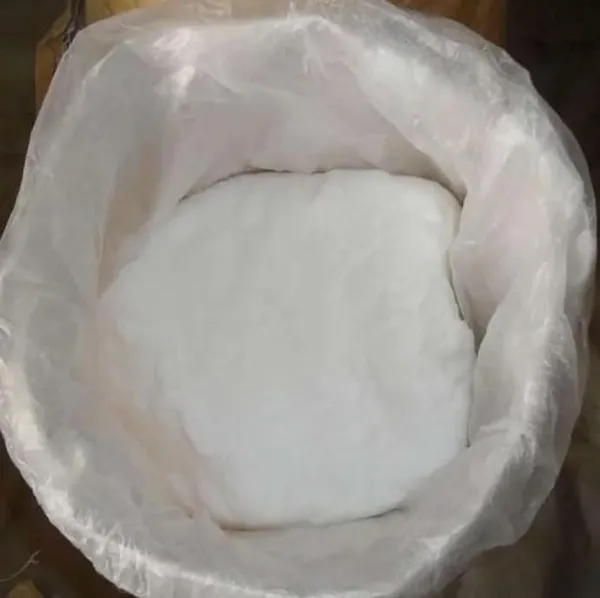
Order Nandrolone Decanoate (CAS 360-70-3)
Buy Nandrolone Decanoate (CAS 360-70-3)
Buy Nandrolone Decanoate (CAS 360-70-3)
Nandrolone Decanoate
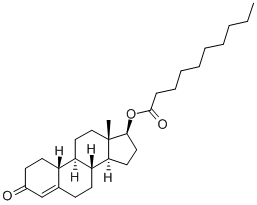
Nandrolone Decanoate structureCAS No.360-70-3Chemical Name:Nandrolone DecanoateSynonymsDECADURABOLIN;Anabolicum;Nandrolone Deconate;Nandrolone Decanoate (DECA);19-NORTESTOSTERONE 17-DECANOATE;17-beta-hydroxy-estr-4-en-3-ondecanoate;retabolil;Nand Deca;Cartalax1;DecanofortCBNumber:CB0396051Molecular Formula:C28H44O3Molecular Weight:428.65MDL Number:MFCD00135100MOL File:360-70-3.molMSDS File:SDS
Nandrolone decanoate
Catalog No.
S548672
CAS No.
360-70-3
M.F
C28H44O3
M. Wt
428.6 g/mol
Availability
In Stock
* This item is exclusively intended for research purposes and is not designed for human therapeutic applications or veterinary use.
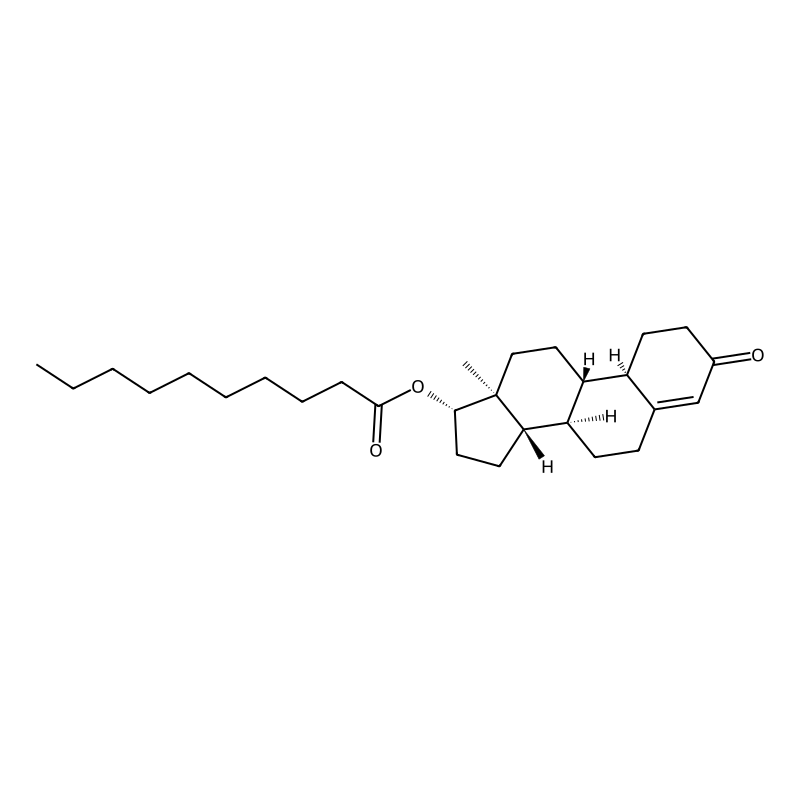
Content Navigation
- 1. General Information
- 2. Nandrolone Decanoate Overview
- 3. Why Nandrolone Decanoate Substitution Fails
- 4. Key Differentiators of Nandrolone Decanoate
General Information
Researchers formulating long-acting depots require an API with extended half-life and minimal androgenic activity. Nandrolone decanoate (CAS 360-70-3) addresses this with its high lipophilicity (LogP 7.32) and 6-12-day half-life, enabling 2-4-week dosing intervals in oil vehicles. Its 11:1 anabolic-to-androgenic ratio avoids DHT-related virilization, making it ideal for muscle wasting and osteoporosis models. • Depot kinetics: High LogP ensures sustained release from sesame/ethyl oleate vehicles. • Selective myotrophic effect: Minimized androgenic risk vs. testosterone esters (1:1 ratio). • Reliable supply: In-stock, lot-to-lot consistency for formulation R&D. SMolecule offers analytical-grade material, inventory-ready for global shipment.
CAS Number
360-70-3
Product Name
Nandrolone decanoate
IUPAC Name
[(8R,9S,10R,13S,14S,17S)-13-methyl-3-oxo-2,6,7,8,9,10,11,12,14,15,16,17-dodecahydro-1H-cyclopenta[a]phenanthren-17-yl] decanoate
Molecular Formula
C28H44O3
Molecular Weight
428.6 g/mol
InChI
InChI=1S/C28H44O3/c1-3-4-5-6-7-8-9-10-27(30)31-26-16-15-25-24-13-11-20-19-21(29)12-14-22(20)23(24)17-18-28(25,26)2/h19,22-26H,3-18H2,1-2H3/t22-,23+,24+,25-,26-,28-/m0/s1
InChI Key
JKWKMORAXJQQSR-MOPIKTETSA-N
SMILES
CCCCCCCCCC(=O)OC1CCC2C1(CCC3C2CCC4=CC(=O)CCC34)C
solubility
Soluble in DMSO, not in water
Synonyms
17 beta Hydroxyestr 4 en 3 one 17 decanoate, 17 beta-hydroxyestr-4-en-3-one 17-decanoate, 19 nor 4 Androstene 17 beta ol 3 one 17 decanoate, 19 Nortestosterone Decanoate, 19-nor-4-androstene-17 beta-ol-3-one 17-decanoate, 19-nortestosterone decanoate, Decadurabolin, Decadurobolin, nandrolone decanoate, Retabolil, Retabolyl
Canonical SMILES
CCCCCCCCCC(=O)OC1CCC2C1(CCC3C2CCC4=CC(=O)CCC34)C
Isomeric SMILES
CCCCCCCCCC(=O)O[C@H]1CC[C@@H]2[C@@]1(CC[C@H]3[C@H]2CCC4=CC(=O)CC[C@H]34)C
The exact mass of the compound Nandrolone decanoate is 428.32905 and the complexity rating of the compound is unknown. The solubility of this chemical has been described as Soluble in DMSO, not in water. Its Medical Subject Headings (MeSH) category is Chemicals and Drugs Category – Chemical Actions and Uses – Pharmacologic Actions – Physiological Effects of Drugs – Bone Density Conservation Agents. It belongs to the ontological category of steroid ester in the ChEBI Ontology tree. The United Nations designated GHS hazard class pictogram is Acute Toxic;Irritant;Health Hazard, and the GHS signal word is DangerThe storage condition is described as Dry, dark and at 0 – 4 C for short term (days to weeks) or -20 C for long term (months to years).. Use and application categories indicated by third-party sources: Human Drugs -> FDA Approved Drug Products with Therapeutic Equivalence Evaluations (Orange Book) -> Active Ingredients. However, this does not mean our product can be used or applied in the same or a similar way.
Purity
≥98%
Package Size
50 mg, 100 mg, 250 mg
Nandrolone Decanoate Overview
Nandrolone decanoate (CAS: 360-70-3) is a highly lipophilic, synthetic 19-nortestosterone ester widely utilized as an active pharmaceutical ingredient (API) for sustained-release depot formulations. By conjugating a 10-carbon decanoate ester to the 17-beta hydroxyl group of the nandrolone base, the molecule achieves an exceptionally high partition coefficient (LogP ~7.32), making it optimally suited for parenteral oil vehicles. Upon intramuscular or subcutaneous administration, the ester slowly partitions into the aqueous interstitial fluid where it is hydrolyzed by esterases into the active nandrolone base. This compound is primarily procured for the development of long-acting injectable therapeutics, pharmacokinetic modeling of fatty acyl prodrugs, and research requiring potent myotrophic effects with minimized androgenic activity [1].
Procurement Fit
Pharmacopoeial analytical standard (USP/BP monograph-defined)
Defined purity range and impurity profile for method validation
Characterized identity attributes (melting range, optical rotation)
References
Why Nandrolone Decanoate Substitution Fails
Substituting nandrolone decanoate with unesterified nandrolone, shorter esters like nandrolone phenylpropionate (NPP), or standard testosterone esters fundamentally compromises formulation pharmacokinetics and receptor selectivity. Unesterified nandrolone is cleared rapidly (half-life <4.3 hours), failing entirely to provide a depot effect. While NPP provides a depot effect, its shorter ester chain results in an elimination half-life of only 2.7 to 4.5 days, requiring frequent dosing that is often unacceptable in long-acting formulation development. Furthermore, substituting with long-acting testosterone esters (e.g., testosterone enanthate) drastically alters the pharmacological profile; testosterone undergoes 5-alpha reduction to the highly androgenic dihydrotestosterone (DHT), whereas nandrolone reduces to the weaker 5-alpha-dihydronandrolone. This gives testosterone a 1:1 anabolic-to-androgenic ratio, compared to nandrolone decanoate’s highly selective ~11:1 ratio, making testosterone unsuitable for applications requiring strict anabolic targeting without virilizing side effects [1].
Substitution Risk
Ester-dependent release kinetics
Decanoate ester provides prolonged depot release; not interchangeable with phenylpropionate or base forms.
Divergent half-lives alter exposure
Markedly different elimination half-lives may shift plasma concentration profiles and dosing requirements.
Model endpoint considerations
Selecting an ester with inappropriate release duration may affect endpoint interpretation in long-term studies.
References
Key Differentiators of Nandrolone Decanoate
Extended Half-Life with Decanoate Ester
The primary procurement driver for the decanoate ester over shorter analogs is its extended release profile from lipid vehicles. In pharmacokinetic evaluations following intramuscular injection, nandrolone decanoate exhibits an elimination half-life of 6 to 12 days, compared to only 2.7 to 4.5 days for nandrolone phenylpropionate (NPP). This prolonged half-life allows for a sustained therapeutic window of 2 to 4 weeks per administration [1].
| Evidence Dimension | Elimination half-life (intramuscular depot) |
| Target Compound Data | Nandrolone decanoate: 6 to 12 days |
| Comparator Or Baseline | Nandrolone phenylpropionate: 2.7 to 4.5 days |
| Quantified Difference | ~2.5-fold increase in elimination half-life. |
| Conditions | Intramuscular injection in arachis or sesame oil vehicles. |
Enables the formulation of once-every-few-weeks depot injectables, significantly reducing administration frequency compared to shorter-chain esters.Depot Half-Life
Head-to-head
130 h (decanoate) vs. 25 h (phenylpropionate)
Reported depot release context
Rat model; single IM injection
High Myotrophic-to-Androgenic Selectivity
For research targeting muscle or bone tissue without triggering severe androgen-receptor-mediated side effects, nandrolone decanoate is vastly superior to baseline testosterone. Structural modifications—specifically the lack of a methyl group at carbon C-19 and its subsequent 5-alpha reduction to a weaker androgen (5-alpha-dihydronandrolone)—grant nandrolone an anabolic-to-androgenic ratio of approximately 11:1. In contrast, testosterone and its esters maintain a 1:1 ratio [1].
| Evidence Dimension | Anabolic-to-androgenic ratio |
| Target Compound Data | Nandrolone decanoate: ~11:1 |
| Comparator Or Baseline | Testosterone enanthate/cypionate: 1:1 |
| Quantified Difference | >10-fold higher selectivity for myotrophic (anabolic) effects over androgenic effects. |
| Conditions | In vivo receptor affinity and nitrogen balance models. |
Essential for developing therapeutics or research models that require tissue anabolism (muscle/bone) while strictly minimizing virilization and prostate hypertrophy.Lean Mass Change
Head-to-head
Decanoate: +5.8% Testosterone: +3.5% Placebo: -0.9%
Reported muscle mass endpoint context
12-month RCT, glucocorticoid-treated men
Lipophilicity for Depot Partitioning
The sustained release mechanism of parenteral oil depots relies entirely on the drug’s partition coefficient. Nandrolone decanoate possesses a highly lipophilic profile with a LogP of 7.32, which ensures high solubility in carrier oils (e.g., sesame oil, ethyl oleate) and strictly rate-limits its diffusion into the aqueous interstitial fluid. This high LogP is the fundamental physicochemical property that creates the ‘lag time’ and slow absorption rate characteristic of its depot effect, differentiating it from unesterified steroids that partition too rapidly [1].
| Evidence Dimension | Partition coefficient (LogP) and oil solubility |
| Target Compound Data | Nandrolone decanoate: LogP ~7.32 |
| Comparator Or Baseline | Unesterified nandrolone: Lower LogP, rapid aqueous partitioning |
| Quantified Difference | The 10-carbon ester chain exponentially increases lipophilicity, preventing immediate aqueous dissolution. |
| Conditions | Subcutaneous/intramuscular oil depot formulations. |
Dictates the selection of this specific ester for sustained-release parenteral manufacturing and lipophilic prodrug research.Body Weight Gain
Head-to-head
Decanoate: +1.48 kg vs. placebo +1.00 kg vs. testosterone
Reported weight-gain endpoint context
12-week RCT, HIV wastingPharmacopoeial Purity
Class-level
USP/BP: 97.0–103.0% Impurity limits defined
Supports method transferability
Compendial standard vs. non-pharmacopoeialNeuroendocrine Profile
Head-to-head
Decanoate vs. testosterone undecanoate: ↓ body weight gain, altered ACTH & corticosterone
CNS/endocrine endpoint context
Male rat model, 14-day exposureSupply Chain Assurance
Data to verify
TGA-licensed supplier, COA provided
Procurement documentation context
Supplier-specific; verify current status
Nandrolone Decanoate Applications
Sustained-Release Depot Manufacturing
Nandrolone decanoate is the premier active pharmaceutical ingredient (API) for formulating long-acting intramuscular or subcutaneous oil depots. Its high LogP (7.32) and extended half-life (6-12 days) make it the ideal candidate for manufacturing protocols utilizing sesame, arachis, or ethyl oleate vehicles, where a slow oil-to-water partition rate is required to achieve a 2-to-4-week dosing interval [1].
Myotrophic and Osteoporosis In Vivo Models
Due to its highly favorable 11:1 anabolic-to-androgenic ratio, nandrolone decanoate is prioritized in in vivo research models studying muscle wasting (cachexia), refractory anemia, and postmenopausal osteoporosis. It allows researchers to isolate potent tissue-building and nitrogen-retaining effects without the confounding virilizing variables introduced by standard testosterone esters [2].
Fatty Acyl Prodrug Pharmacokinetic Modeling
In pharmaceutical sciences, nandrolone decanoate serves as a benchmark compound for studying the lymphatic absorption and esterase-mediated hydrolysis of fatty acyl prodrugs. Its well-documented lag time and cleavage profile in interstitial fluid make it a standard reference material for developing novel lipophilic delivery systems and nanoemulsions [3].
Application Fit Matrix
Application
Selection Property
Validation Focus
Muscle wasting model studies
Comparator androgen-response context
Muscle mass endpoint interpretation
Cachexia model studies
Weight-gain endpoint context
Catabolic model endpoint review
Analytical method development
Pharmacopoeial identity and purity specifications
System suitability and impurity profiling
Sustained-exposure model studies
Depot release kinetics and dosing interval
Plasma exposure stability review
References
- [1] Kalicharan, R. W., et al. ‘Fundamental understanding of drug absorption from a parenteral oil depot.’ European Journal of Pharmaceutics and Biopharmaceutics (2015).
- [2] Albano, G. D., et al. ‘Anabolic–Androgenic Steroids Revisited: Structural Biology, Receptor Signaling, and Mechanisms of Anabolic–Androgenic Dissociation.’ MDPI (2026).
- [3] Prodrug approaches for the development of a long-acting drug delivery systems. Advanced Drug Delivery Reviews (2023).
Specification
Physical Description
Solid
XLogP3
7.3
Hydrogen Bond Acceptor Count
3
Exact Mass
428.32904526 g/mol
Monoisotopic Mass
428.32904526 g/mol
Heavy Atom Count
31
LogP
2.62
Others
Appearance
Solid powder
Melting Point
32-35
118 °C
Storage
Dry, dark and at 0 – 4 C for short term (days to weeks) or -20 C for long term (months to years).
UNII
H45187T098
GHS Hazard Statements
Aggregated GHS information provided by 85 companies from 9 notifications to the ECHA C&L Inventory. Each notification may be associated with multiple companies.;
H301 (18.82%): Toxic if swallowed [Danger Acute toxicity, oral];
H302 (23.53%): Harmful if swallowed [Warning Acute toxicity, oral];
H312 (22.35%): Harmful in contact with skin [Warning Acute toxicity, dermal];
H332 (22.35%): Harmful if inhaled [Warning Acute toxicity, inhalation];
H351 (97.65%): Suspected of causing cancer [Warning Carcinogenicity];
H360 (52.94%): May damage fertility or the unborn child [Danger Reproductive toxicity];
H362 (28.24%): May cause harm to breast-fed children [Reproductive toxicity, effects on or via lactation];
Information may vary between notifications depending on impurities, additives, and other factors. The percentage value in parenthesis indicates the notified classification ratio from companies that provide hazard codes. Only hazard codes with percentage values above 10% are shown.
Drug Indication
Nandrolone decanoate is indicated in the management of anemia of renal insufficiency. In Canada, it is also indicated as an adjunct therapy in the treatment of senile and postmenopausal osteoporosis.
Pharmacology
Nandrolone is an anabolic steroid occurring naturally in the human body, albeit in small quantities. Nandrolone increases production and urinary excretion of erythropoietin. It may also have a direct action on bone marrow. Nandrolone binds to the androgen receptor to a greater degree than testosterone, but due to its inability to act on the muscle in ways unmediated by the receptor, has less overall effect on muscle growth.
Nandrolone Decanoate is the decanoate salt form of nandrolone, an anabolic steroid analog of testosterone with androgenic, anabolic, and erythropoietin stimulating effects. Nandrolone enters the cell and binds to and activates specific nuclear androgen receptors in responsive tissue, including the prostate, seminal vesicles, scrotum, penis, larynx, hair follicles, muscle, and bone. The resulting activated hormone receptor complex translocates into the nucleus and binds to androgen response elements (ARE) in the promoter region of targeted genes, where the complex promotes gene expression necessary for maintaining male sex characteristics. Mimicking the negative feedback mechanism of testosterone, nandrolone decanoate also suppresses the secretion of luteinizing hormone (LH). Furthermore, this agent also stimulates erythropoietin production by enhancing the production of erythropoietic stimulating factors.
MeSH Pharmacological Classification
Anabolic Agents
Mechanism of Action
Nandrolone decanoate is hydrolyzed to [nandrolone], possibly by PDE7B. Nandrolone is brought into cells by receptor mediated endocytosis, where it interacts with the androgen receptor. After binding to the androgen receptor, a conformational change occurs, the androgen receptor enters the nucleus, dimerizes, and can then bind to segments of DNA to regulate transcription. Androgens can also regulate transcription through activation of ERK, Akt, and MAPK; or binding to and competitively inhibiting transcription factors.
KEGG Target based Classification of Drugs
Nuclear receptors
Estrogen like receptors
3-Ketosteroid receptor
NR3C4 (AR) [HSA:367] [KO:K08557]
Pictograms


Acute Toxic;Irritant;Health Hazard
Other CAS
360-70-3
Absorption Distribution and Excretion
A 50 mg intramuscular dose of nandrolone decanoate reaches a mean Cmax 2.14 ng/mL, with a mean Tmax of 30 hours, and a mean AUC of 400 h\*ng/mL. A 100 mg intramuscular dose of nandrolone decanoate reaches a mean Cmax 4.26 ng/mL, with a mean Tmax of 30 hours, and a mean AUC of 862 h\*ng/mL. A 150 mg intramuscular dose of nandrolone decanoate reaches a mean Cmax 5.16 ng/mL, with a mean Tmax of 72 hours, and a mean AUC of 1261 h\*ng/mL.
Nandrolone decanoate is eliminated as urinary metabolites, however data regarding elimination in the feces are not readily available. Data in cattle shows that [nandrolone] is 30% eliminated in the feces.
50 mg, 100 mg, and 150 mg doses of nadrolone decanoate had mean apparent clearances of 80.0 L/h, 74.3 L/h, and 76.2 L/h respectively.
Metabolism Metabolites
Nandrolone decanoate is hydrolyzed to [nandrolone], possibly by PDE7B. Nandrolone is further metabolized to the urinary metabolites 19-norandrosterone, 19-noretiocholanolone, and 19-norepiandrosterone. 19-norandrosterone is 3-O-glucuronidated by UGT2B7, UGT 1A4, UGT2B4, UGT1A3, and UGT1A1. 19-noretiocholanolone is 3-O-glucuronidated by UGT2B7, UGT2B4, UGT1A4, UGT1A10, UGT1A3, and UGT1A1.
Wikipedia
Nandrolone_decanoate
MiPT
Biological Half Life
Nandrolone decanoate has an absorption half life of 6 days and an elimination half life of 4.3 hours. Alternate studies have shown that nandrolone decanoate has a terminal half life of 7.1, 11.7, and 11.8 hours for doses of 50, 100, and 150 mg respectively.
Use Classification
Human Drugs -> FDA Approved Drug Products with Therapeutic Equivalence Evaluations (Orange Book) -> Active Ingredients
Pharmaceuticals
Reference
Bagchus WM, Smeets JMW, Verheul HAM, De Jager-Van Der Veen SM, Port A, Guerts TBP: Pharmacokinetic Evaluation of Three Different Intramuscular Doses of Nandrolone Decanoate: Analysis of Serum and Urine Samples in Healthy Men The Journal of Clinical Endocrinology & Metabolism. 2005 May 1;90(5):2624-2630.
Baume N, Avois L, Schweizer C, Cardis C, Dvorak J, Cauderay M, Mangin P, Saugy M: [13C]Nandrolone excretion in trained athletes: interindividual variability in metabolism. Clin Chem. 2004 Feb;50(2):355-64. doi: 10.1373/clinchem.2003.022848. Epub 2003 Nov 21. [PMID:14633920]
Wijnand HP, Bosch AM, Donker CW: Pharmacokinetic parameters of nandrolone (19-nortestosterone) after intramuscular administration of nandrolone decanoate (Deca-Durabolin) to healthy volunteers. Acta Endocrinol Suppl (Copenh). 1985;271:19-30. doi: 10.1530/acta.0.109s00019. [PMID:3865478]
Kuuranne T, Kurkela M, Thevis M, Schanzer W, Finel M, Kostiainen R: Glucuronidation of anabolic androgenic steroids by recombinant human UDP-glucuronosyltransferases. Drug Metab Dispos. 2003 Sep;31(9):1117-24. doi: 10.1124/dmd.31.9.1117. [PMID:12920167]
Strahm E, Rane A, Ekstrom L: PDE7B is involved in nandrolone decanoate hydrolysis in liver cytosol and its transcription is up-regulated by androgens in HepG2. Front Pharmacol. 2014 May 30;5:132. doi: 10.3389/fphar.2014.00132. eCollection 2014. [PMID:24910615]
Victor A, Weiner E, Johansson ED: Sex hormone binding globulin: the carrier protein for d-norgestrel. J Clin Endocrinol Metab. 1976 Jul;43(1):244-7. doi: 10.1210/jcem-43-1-244. [PMID:133117]
Calvarese S, Rubini P, Urbani G, Ferri N, Ramazza V, Zucchi M: Experimental administration of 19-nortestosterone and dexamethasone in cattle: elimination of the two drugs in different biological matrices. Analyst. 1994 Dec;119(12):2611-5. doi: 10.1039/an9941902611. [PMID:7879862]
| Product description | Number | Pack Size | Price |
| Nandrolone decanoate United States Pharmacopeia (USP) Reference Standard | 1455000 | 250mg | $618 |
| Nandrolone decanoate British Pharmacopoeia (BP) Reference Standard | BP425 | 50MG | $272 |
| Nandrolone Decanoate ≥98% | 32546 | 1mg | $36 |
| Nandrolone Decanoate ≥98% | 32546 | 5mg | $103 |
| Nandrolone Decanoate (~70%) | TRC-N315033-10MG | 10mg | $66 |
| More product size | |||
PropertiesSafetyPrice33UsesSuppliers 353SpectrumSearch Products:
Nandrolone Decanoate Properties
| Melting point | 33-37°C |
|---|---|
| Boiling point | 483.46°C (rough estimate) |
| alpha | 32 º |
| Density | 1.0406 (rough estimate) |
| refractive index | 1.4700 (estimate) |
| storage temp. | 2-8°C |
| solubility | 45% (w/v) aq 2-hydroxypropyl-β-cyclodextrin: 0.8 mg/mL |
| form | powder |
| color | white to light yellow |
| Water Solubility | 664ug/L(37 ºC) |
| InChIKey | JKWKMORAXJQQSR-MOPIKTETSA-N |
| SMILES | [C@@]12([H])CC[C@H](OC(=O)CCCCCCCCC)[C@@]1(C)CC[C@]1([H])[C@@]3([H])CCC(=O)C=C3CC[C@@]21[H] |&1:0,4,17,21,23,33,r| |
| CAS DataBase Reference | 360-70-3 |
| FDA UNII | H45187T098 |
| NCI Drug Dictionary | nandrolone decanoate |
SAFETY
Risk and Safety Statements
| Symbol(GHS) |  GHS08 |
|---|---|
| Signal word | Danger |
| Hazard statements | H351-H360FD |
| Precautionary statements | P201-P202-P280-P308+P313-P405-P501 |
| Hazard Codes | Xn |
| Risk Statements | 40 |
| Safety Statements | 22-36 |
| WGK Germany | 3 |
| RTECS | KG7967000 |
| HS Code | 2937290000 |
| Toxicity | LD50 intraperitoneal in mouse: > 566mg/kg |
| NFPA 704 | 0 2 0 |
Nandrolone Decanoate price More Price(33)
| Manufacturer | Product number | Product description | CAS number | Packaging | Price | Updated | Buy |
|---|---|---|---|---|---|---|---|
| Sigma-Aldrich | 1455000 | Nandrolone decanoate United States Pharmacopeia (USP) Reference Standard | 360-70-3 | 250mg | $618 | 2026-04-30 | Buy |
| Sigma-Aldrich | BP425 | Nandrolone decanoate British Pharmacopoeia (BP) Reference Standard | 360-70-3 | 50MG | $272 | 2025-07-31 | Buy |
| Cayman Chemical | 32546 | Nandrolone Decanoate ≥98% | 360-70-3 | 1mg | $36 | 2026-04-30 | Buy |
| Cayman Chemical | 32546 | Nandrolone Decanoate ≥98% | 360-70-3 | 5mg | $103 | 2026-04-30 | Buy |
| TRC | TRC-N315033-10MG | Nandrolone Decanoate (~70%) | 360-70-3 | 10mg | $66 | 2026-06-03 | Buy |
Nandrolone Decanoate Chemical Properties, Uses, Production
Description
Nandrolone decanoate, also known as nandrolone caprinate, is an alkylated anabolic steroid indicated in the management of anemia of renal insufficiency and as an adjunct therapy in the treatment of senile and postmenopausal osteoporosis. The process for creating esters of [nandrolone] was patented in Spain in 1959 and in 1960, it was described as having a long duration of action and strong anabolic effect compared to nandrolone and other esters. Nandrolone decanoate was granted FDA approval on 5 October 1962.
Chemical Properties
White or almost white, crystalline powder.
Originator
Deca-Durabolin,Organon,US,1962
Uses
Nandrolone Decanoate is an anabolic steroid. Nandrolone decanoate is used in the treatment of osteoporosis in postmenopausal women. Nandrolone Decanoate is also used for some aplastic anemias. Control led Substance.
Definition
ChEBI: Nandrolone decanoate is a steroid ester.
Manufacturing Process
1 gram of 19-nortestosterone is dissolved in 3 ml of dry pyridine, after which the resulting solution is cooled to -20°C. A solution of 1.0 gram of decanoic acid chloride in 3 ml of dry benzene is added to the cooled solution. The mixture is maintained at -15°C for 16 hours and then poured into ice water. The aqueous liquid is extracted with benzene, the benzene solution is washed with respectively 1 N sodium hydroxide solution, 2 N hydrochloric acid and with water until neutral reaction.
Then the solution is dried on sodium sulfate, filtered, and evaporated to dryness. The residue, 1.63 grams is dissolved in hexane, this solution is filtered over 30 grams of neutral aluminum oxide, and evaporated to dryness. On paper chromatographic investigation it turned out that the obtained 19- nortestosterone 17-decanoate which at room temperature is an oil consists of a single compound, according to US Patent 2,998,423.
brand name
Durabolin (Organon);Abolon;Activin;Anabolin la 100;Anador;Anadur;Analone-50;Androlone d 100;Androlone d 50;Decabolin;Deca-durabolin decanoate;Deca-noralone;Docabolin;Fherbolico;Fortabolin;Hybolin-decanoate;Iebolan;Kabolin;Keratyl;Methybol-depot;Nandrolone decanoate;Nordecon;Stenabolin;Sterobolin;Turinabol-depot.
Therapeutic Function
Anabolic
World Health Organization (WHO)
Nandrolone decanoate, an anabolic steroid, was introduced in 1962. In 1982, low dosage preparations were prohibited in Bangladesh due to inadmissible promotion of products containing anabolic steroids for malnourished children. Higher dosage preparations of nandrolone decanoate remain available in many countries, including Bangladesh, for several highly specific but limited indications that apply to patients with chronic debilitating and emaciating diseases, particularly associated with neoplasia and some types of aplastic anaemia.
General Description
Nandrolone decanoate,17β-hydroxyestr-4-en-3-one 17-decanoate, has been used inthe management of certain anemias, but the availability oferythropoietin has greatly reduced this use.
Biochem/physiol Actions
Compared to testosterone propionate, nandrolone decanoate is considered to have strong anabolic effects but weak androgenic effects (potency ratios of 3.29–4.92 and 0.31–0.41). In particular, nandrolone esters are thought to have the highest ratio of anabolic to androgenic effects of any AAS. The low androgenicity of nandrolone decanoate is thought to be due to the fact that nandrolone is inactivated by 5α-reductase via transformation into the low-affinity androgen receptor (AR) ligand 5α-dihydronandrolone. This is thought to result in a lower incidence and magnitude of side effects.Nandrolone decanoate (ND) injection has been classified as a Schedule III controlled substance under the Anabolic Steroids Control Act of 1990. Due to serious health risks, the nonmedical use of AASs is banned by most sports organizations[1].
Side effects
There are many effects of this drug on the human body, and the studies of its side effects can be divided into the following: categories endocrine, cardiovascular, skin, psychiatric, musculoskeletal, excretory, and gastrointestinal disorders.
The most common side effects were: endocrine disorders (virilization, gynecomastia, hormonal disorders, cholesterol and lipid disorders, genital and infertility issues); cardiovascular disorders (vascular damage, coagulation disorders, arteriosus hypertension); skin disorders (pricking, acne, skin spots); psychiatric disorders (aggressiveness, mood disorders, sleep disorders, anxiety); musculoskeletal disorders (tendon ruptures); excretory disorders (organ damage); gastrointestinal disorders (organ damage and liver adenomas); neurological disorders (seizures); immune disorders (chronic infection relapse; respiratory disorders (sleep apnea syndrome); genetic disorders (genetic damage)[1].
Safety Profile
Experimental reproductiveeffects. When heated to decomposition it emits acridsmoke and irritating fumes.
Veterinary Drugs and Treatments
The principle use of nandrolone in veterinary medicine has been to stimulate erythropoiesis in patients with certain anemias (e.g., secondary to renal failure, aplastic anemias). It has also been suggested for use as an appetite stimulant.
Nandrolone Decanoate Preparation Products And Raw materials
Raw materials
Nandrolone Decanoate
Item No. 32546
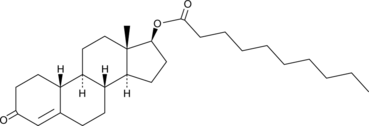
Restricted Product (Schedule III)
Synonyms
Synonyms
- Nandrolone 17-Decanoate
- Nortestosterone Decanoate
Technical Information
Formal Name
17β-[(1-oxodecyl)oxy]-estr-4-en-3-one
CAS Number
360-70-3
Molecular Formula
C28H44O3
Formula Weight
Purity
≥98%
Formulation(Request formulation change)
A crystalline solid
Solubility(Learn about Variance in Solubility)
DMF: 30 mg/mlDMSO: 30 mg/mlEthanol: 30 mg/mlEthanol:PBS (pH 7.2) (1:3): .25 mg/mlPBS (pH 7.2): insol
λmax
240 nm
SMILES
C[C@@]12[C@](CC[C@@H]2OC(CCCCCCCCC)=O)([H])[C@]3([H])CCC4=CC(CC[C@]4([H])[C@@]3([H])CC1)=O
InChi Code
InChI=1S/C28H44O3/c1-3-4-5-6-7-8-9-10-27(30)31-26-16-15-25-24-13-11-20-19-21(29)12-14-22(20)23(24)17-18-28(25,26)2/h19,22-26H,3-18H2,1-2H3/t22-,23+,24+,25-,26-,28-/m0/s1
InChi Key
JKWKMORAXJQQSR-MOPIKTETSA-N
Regulatory Information
DEA Schedule
III
Shipping & Storage Information
Storage
-20°C
Shipping
Wet ice in continental US; may vary elsewhere
Nandrolone decanoate
Base Information
- Chemical Name:Nandrolone decanoate
- CAS No.:360-70-3
- Molecular Formula:C28H44O3
- Molecular Weight:428.656
- Hs Code.:2937290000
- European Community (EC) Number:206-639-3
- UNII:H45187T098
- DSSTox Substance ID:DTXSID7023352
- Nikkaji Number:J5.698G
- Wikipedia:Nandrolone_decanoate
- Wikidata:Q16634231
- NCI Thesaurus Code:C1172
- Pharos Ligand ID:XC116264XL8T
- Metabolomics Workbench ID:43721
- ChEMBL ID:CHEMBL1200946
- Mol file:360-70-3.mol
Synonyms:Estr-4-en-3-one,17b-hydroxy-, decanoate (6CI,7CI,8CI);Decanoic acid, ester with 17b-hydroxyestr-4-en-3-one(8CI);17b-Hydroxy-19-norandrost-4-en-3-one 17-decanoate;17b-Hydroxyestr-4-en-3-one17-decanoate;17b-Hydroxyestr-4-en-3-one decanoate;19-Nor-17b-hydroxy-3-ketoandrost-4-ene17-decanoate;19-Norandrostenolone decanoate;19-Nortestosterone 17b-decanoate;19-Nortestosterone decanoate;Anabolicum;Anabolin Forte;Deca-Durabol;Deca-Durabolin;Deca-Hybolin;Decanofort;Extraboline;Hybolin decanoate;Nandrobolic LA;Norandrostenolone decanoate;Retabolil;Sustanon250 powder;Estr-4-en-3-one,17-[(1-oxodecyl)oxy]-, (17b)-;
Suppliers and Price of Nandrolone decanoate
Supply Marketing:Business phase:The product has achieved commercial mass production*data from LookChem market partment
Chemical Property of Nandrolone decanoate
Chemical Property:
- Appearance/Colour:white to light yellow powder
- Vapor Pressure:1.3E-11mmHg at 25°C
- Melting Point:33-37 °C
- Refractive Index:1.524
- Boiling Point:537.2 °C at 760 mmHg
- Flash Point:226.8 °C
- PSA:43.37000
- Density:1.04 g/cm3
- LogP:7.18070
- Storage Temp.:2-8°C
- Solubility.:45% (w/v) aq 2-hydroxypropyl-β-cyclodextrin: 0.8 mg/mL
- Water Solubility.:664ug/L(37 oC)
- XLogP3:7.3
- Hydrogen Bond Donor Count:0
- Hydrogen Bond Acceptor Count:3
- Rotatable Bond Count:10
- Exact Mass:428.32904526
- Heavy Atom Count:31
- Complexity:680
Purity/Quality:
99% *data from raw suppliers
Nandrolone decanoate British Pharmacopoeia (BP) Reference Standard *data from reagent suppliers
Safty Information:
- Pictogram(s):
 Xn
- Hazard Codes:Xn
- Statements:40
- Safety Statements:22-36
MSDS Files:Total 1 MSDS from other Authors
Useful:
- Canonical SMILES:CCCCCCCCCC(=O)OC1CCC2C1(CCC3C2CCC4=CC(=O)CCC34)C
- Isomeric SMILES:CCCCCCCCCC(=O)O[C@H]1CC[C@@H]2[C@@]1(CC[C@H]3[C@H]2CCC4=CC(=O)CC[C@H]34)C
- Recent ClinicalTrials:Anabolic Steroid and Propranolol in Paediatric Burn
- Recent EU Clinical Trials:Preliminary effect and safety of physiotherapy with strength training and protein-dense nutritional supplement in combination with anabolic steroids in cross-continuum rehabilitation of patients with hip fracture – a randomized controlled pilot trial. (The HIP-SAP trial)
- DescriptionNandrolone decanoate, also known as nandrolone caprinate, is an alkylated anabolic steroid indicated in the management of anemia of renal insufficiency and as an adjunct therapy in the treatment of senile and postmenopausal osteoporosis. The process for creating esters of [nandrolone] was patented in Spain in 1959 and in 1960, it was described as having a long duration of action and strong anabolic effect compared to nandrolone and other esters. Nandrolone decanoate was granted FDA approval on 5 October 1962.
- UsesNandrolone Decanoate is an anabolic steroid. Nandrolone decanoate is used in the treatment of osteoporosis in postmenopausal women. Nandrolone Decanoate is also used for some aplastic anemias. Control led Substance.
- Therapeutic FunctionAnabolic
- Nandrolone Decanoate | 360-70-3 – ChemicalBookSep 10, 2026 · Nandrolone Decanoate (CAS 360-70-3) information, including chemical properties, structure, melting point, boiling …
- alpha: 32 º
- Density: 1.0406 (rough estimate)
- Boiling point: 483.46°C (rough estimate)
- Melting point: 33-37°C
- Nandrolone Decanoate (CAS 360-70-3) – Cayman ChemProvide batch numbers separated by commas to download or request available product inserts, QC sheets, certificates of analysis, …
- Nandrolone decanoate British Pharmacopoeia (BP) Reference …Buy Nandrolone decanoate ( CAS 360-70-3 ) BPCRS for quantitative test or assay in pharmaceutical substances & medicinal …
- Brand: SUPELCO
- Nandrolone Decanoate | CAS 360-70-3 | LGC StandardsBuy our neat Nandrolone Decanoate (Size: 100mg) from Mikromol via the LGC Standards webshop today. CAS Number: 360-70-3. …
- Nandrolone Decanoate | CAS 360-70-3 | LGC StandardsAdhere to ever-changing regulations with our Nandrolone Decanoate reference standards for environmental testing, CAS number: …
- Nandrolone decanoate|360-70-3|lookchemDescription Nandrolone decanoate, also known as nandrolone caprinate, is an alkylated anabolic steroid indicated in the …
- Nandrolone decanoate EP Reference Standard CAS 360-70-3 Sigma …Buy Nandrolone decanoate Ph Eur reference standard for identification, purity tests or assays of pharmaceutical products according …
- CAS No : 360-70-3 | Product Name : Nandrolone Decanoate – API …Commonly known as Deca Durabolin, Nandrolone Decanoate is a anabolic androgenic steroid. It is an injectable steroid which helps …
- Nandrolone decanoate | CAS#:360-70-3 | Chemsrc – 化源网Jun 30, 2026 · Chemsrc provides Nandrolone decanoate(CAS#:360-70-3) MSDS, density, melting point, boiling point, structure, …
- [Nandrolone Decanoate CIII (250 mg) (COLD SHIPMENT …Buy [Nandrolone Decanoate CIII (250 mg) (COLD SHIPMENT REQUIRED)] – CAS [360-70-3] from USP
Leave a Reply